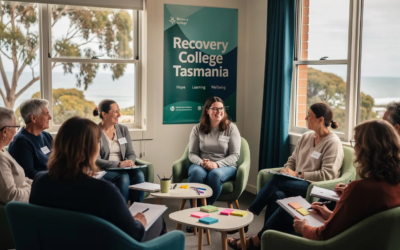
Northern Tasmania is a region of remarkable variety. Its communities range from the heritage streetscapes of Launceston to quiet farming towns, coastal villages along the Tamar Estuary, and tight-knit rural settlements in the North-East. Wherever you live, there is likely a neighbourhood house nearby – a welcoming, low-cost community space where you can find groups, activities, meals, practical help, and genuine human connection. This article profiles several key houses, walks you through how to join, and explains what accessibility questions to ask before you visit.
Key Takeaways about Neighbourhood Houses
- Neighbourhood houses in Northern Tasmania are community-run, non-profit hubs offering low-cost or free groups, activities, and local support in places like Launceston (Northern Suburbs Community Centre), George Town Neighbourhood House, and Beaconsfield House Inc.
- Anyone can join a neighbourhood house. You usually do not need a referral. You can drop in during opening hours, phone, email, or message them on Facebook to get started.
- Houses run regular programs such as community lunches, parenting playgroups, Men’s Sheds, youth drop-in sessions, food relief, learners’ licence support, cooking classes, and literacy programs – but timetables change, so always check current schedules on each house’s website or Facebook page.
- Before attending, ask about accessibility: ramps, accessible toilets, sensory-friendly spaces, transport options, costs, and concession rates, especially if you have mobility, sensory, or other support needs.
- Re.Connect Support Services can help you choose a neighbourhood house, plan your visits, make the first phone call on your behalf, attend alongside you, and build an ongoing connection with groups that match your interests and support goals.

Neighbourhood Houses in Northern Tasmania: What They Are and Why They Matter
A neighbourhood house is a locally governed, non-profit community space where people come together for connection, learning, and practical support. They are not crisis centres or tourist attractions. They are everyday places – often a converted house or small hall – where you can share a meal, learn a skill, meet your neighbours, and get help with things like filling out forms or finding the right service.
Tasmania has a statewide network of 35 funded neighbourhood houses, supported by the Tasmanian Government through the Department of Premier and Cabinet, and coordinated by the peak body Neighbourhood Houses Tasmania. Each house is an independent incorporated association run by a volunteer board drawn from its own community, which means programs respond directly to local needs and crises rather than following a one-size-fits-all template.
This article focuses on neighbourhood houses in Northern Tasmania and how to actually join in. For this guide, “Northern Tasmania” includes:
- Launceston and its suburbs (Mowbray, Newnham, Invermay, Rocherlea, Kings Meadows, Youngtown, Riverside, Legana)
- The Tamar Valley and West Tamar (George Town, Beaconsfield, Beauty Point, Rosevears, Exeter)
- Northern Midlands (Longford, Evandale, Campbell Town)
- Meander Valley (Deloraine and surrounds)
- Dorset and the North-East (Scottsdale, St He-lens, Fingal)
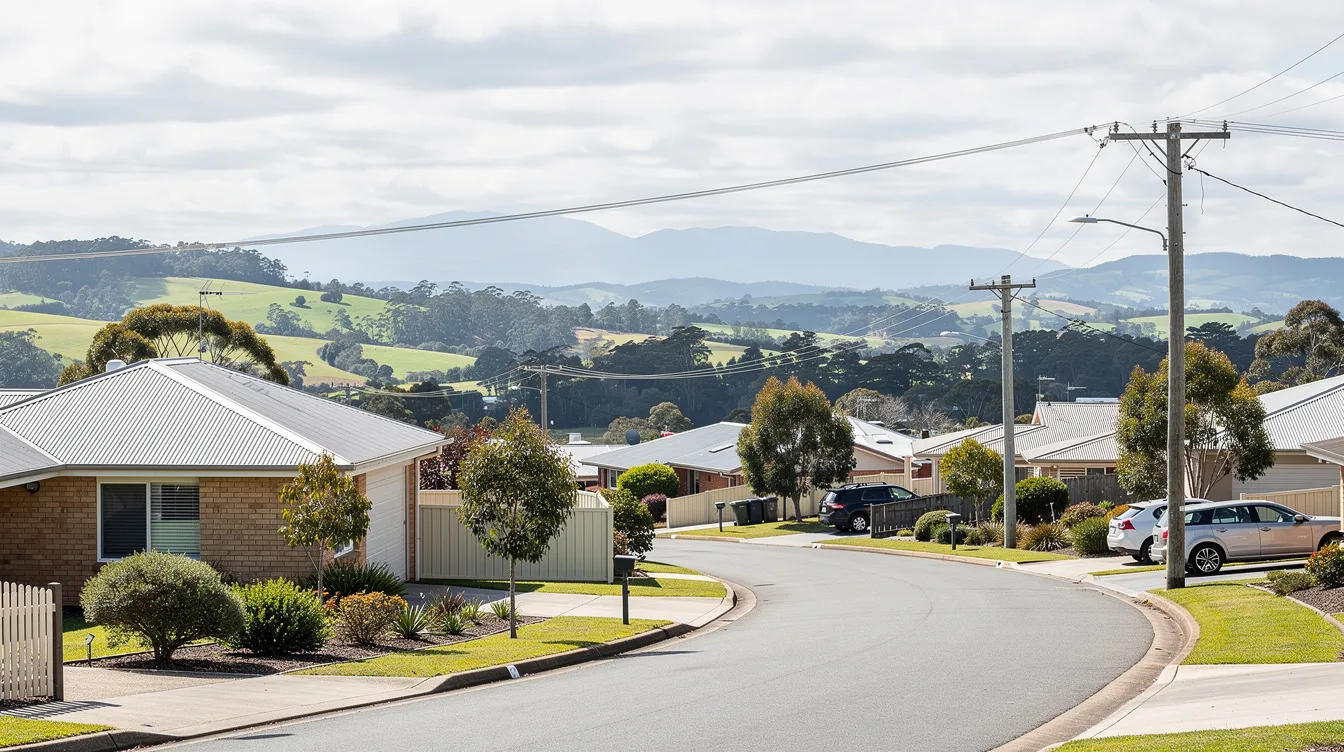
Northern Tasmania offers a diverse range of housing styles including heritage and modern properties. Launceston is one of Australia’s most intact early cities featuring dense concentrations of historic architecture, while housing in Northern Tasmania varies from heritage architecture to modern family homes. Launceston’s housing stock is characterised by heritage architecture surrounded by family hubs. Areas in Northern Tasmania vary widely in lifestyle offerings including coastal, rural, and suburban living – and neighbourhood houses serve every one of these distinct communities.
Detached single-family homes make up over 86% of dwellings in Northern Tasmania, and popular areas for buying a house in Northern Tasmania include Launceston and the North West Coast. Popular family-oriented suburbs in Launceston include Riverside and Legana, while Kings Meadows and Youngtown are major suburban hubs south of Launceston. The Tamar Valley is known for its scenic landscapes and lifestyle properties, and coastal communities along the Tamar Estuary include Beauty Point and Rosevears. South Launceston features 19th-century weatherboard cottages and Victorian terraces, while East Launceston and Newstead are known for grand Federation homes and Victorian villas. Historic towns like Evandale and Longford feature Georgian stone and brick cottages, and heritage homes are popular in areas like Evandale and Longford, known for their character. Coastal homes in Tasmania are often designed to capture ocean views, while post-war and mid-century homes are common throughout Northern Tasmania. Modern project homes feature contemporary layouts and low-maintenance designs, and farmhouses and lifestyle properties are prevalent in rural regions of Northern Tasmania. Specific home attributes to consider in Northern Tasmania include insulation and flood risk.
No matter which kind of community you live in, here is what neighbourhood houses typically offer:
- Social groups and low-cost meals (community lunches, morning teas, Eating With Friends programs)
- Digital help, computer and internet access
- Form-filling, Centrelink assistance, and legal literacy volunteers
- Informal mental health and wellbeing support (peer connection, gentle exercise, visiting health services)
- Access to emergency food (food pantries, frozen meals, fresh produce)
- Referrals to specialist services like housing support, Centrelink, family services, and health providers
- Literacy programs and cooking classes
Community support programs respond to local needs and crises, and each house shapes its own timetable around what its community actually asks for.
The focus here is on building an ongoing sense of belonging – attending regularly, getting to know faces, and perhaps volunteering – rather than dropping in once like a visitor. The ripples of regular attendance spread further than you might expect: friendships, confidence, routine, and practical skills that change daily life.
Information in this article is current as of late 2026, but program timetables, funding, and contact details can change. Always confirm directly with each house before visiting.
Local Neighbourhood Houses in Northern Tasmania to Know About
This section profiles several key neighbourhood houses and community houses in Northern Tasmania, with a focus on what they offer, who they suit, and how to contact them. It is not a complete list – there are many smaller centres, rural halls, and community hubs across the region.
All specific activity examples are indicative and may change seasonally. Always confirm via each house’s website or Facebook page before attending.
From Re.Connect Support Services’ perspective, these houses are ideal partners in helping people build natural community connections around their daily life, interests, and support goals.
Launceston Area: Northern Suburbs Community Centre and City-Based Programs
Northern Suburbs Community Centre (NSCC) is one of the most active neighbourhood house-style hubs in the Launceston area, serving suburbs like Mowbray, Newnham, and Invermay. Invermay traditionally consists of modest Victorian cottages and modern townhouses, and the centre sits at the heart of a diverse, multigenerational community.
Key contact details:
| Detail | Mowbray Site | Newnham Site |
|---|---|---|
| Address | Dover Street, Mowbray TAS 7248 | 49 George Town Road, Newnham |
| Phone | 03 6326 6776 | 03 6326 5506 |
| manager@nscctas.org.au | manager@nscctas.org.au | |
| Hours | Mon–Fri, generally 9am–5pm | Mon–Fri (check current hours) |
| Typical regular activities at NSCC include: |
- Community lunches and Soup-er Social sessions (often gold-coin donation)
- Family Playtime and Baby Bugs playgroup for parents and young children
- PEEPS Youth Program and school holiday activities for young people
- Learners’ driver licence support through the L2P Learner Driver Mentor Program
- Cooking groups, community gardens, and Meenah Neenah Aboriginal Cultural Art
- Digital literacy support (Digital Ready for Daily Life) at the Newnham site
- Community Keep Fit exercise sessions
- Connected Women Tasmania and LGBTIQA+ friendly events
- Freezer Filler Meal Program and veggie bags through OzHarvest partnerships
NSCC’s Community Connector Program alone had 652 participants across its three groups in Newnham, Mowbray, and Rocherlea in a recent period – a measure of just how many people find genuine value in these programs.
NSCC often partners with services like Libraries Tasmania and local councils on events and workshops, making it a hub for up-to-date local information.
How to join: Walk in during opening hours and let reception know you are new. Call to ask about the best group for your interests. Follow NSCC on Facebook for event updates. Some programs require bookings, while many are drop-in. Staff can help you complete any short registration forms.
Re.Connect Support Services can accompany someone to their first NSCC group, help them introduce themselves to staff, and co-create a simple weekly routine around the centre as part of their broader community connection and engagement supports.
George Town and the Tamar Valley: George Town Neighbourhood House
George Town Neighbourhood House is a central community hub for George Town and nearby Tamar Valley communities. It provides a wide range of programs in a friendly, small-town setting.
Contact details:
| Detail | Info |
|---|---|
| Address | 187 Agnes Street, George Town TAS |
| Phone | 03 6312 3019 |
| reception@gtnh.org.au | |
| Hours | Monday–Friday, 8:30am–4pm |
| Common programs include: |
- Low-cost or free community lunches, free continental breakfast, and sausage sizzles
- George Town Neighbourhood House offers cake daily at noon – a small but meaningful ritual that brings people together
- Loaves and Fishes weekly food program and frozen meals for those who need food support
- After-school activities run with PCYC
- Cooking With Friends social cooking groups
- Social bingo and family bingo nights
- Computer and internet access
- Legal literacy agents to help with forms, Centrelink, and Medicare
- Tutoring and homework support for school-aged children
Special events across the year include seasonal school holiday programs, community festivals, and health information days with visiting services such as oral health and mental health promotion teams. During Neighbourhood House Week – held from 12 to 18 May each year – George Town hosts open days and community celebrations around the week’s theme that small actions can create a ripple effect across the wider community. Dorset Community House has a BBQ and house tours on 13 May during this week. Devonport Community House hosts a free BBQ on 14 May as part of the same celebration.
How a new person would join: Call ahead to ask which day is best. Mention if you are anxious about groups or if it is your first time – staff hear this regularly. Ask about quieter times. Arrive five to ten minutes early to meet a staff member or volunteer who can show you around.
Re.Connect Support Services workers can liaise with the George Town Neighbourhood House team to ensure any participant’s specific access, sensory, or communication needs are understood before they come along, drawing on their wider family support resources and coordination.
Beaconsfield and the West Tamar: Beaconsfield House Inc and Community Sheds
Beaconsfield House Inc is a long-standing neighbourhood house in the West Tamar area, serving local residents from Beaconsfield, Beauty Point, Exeter, and surrounding rural communities. Its manager, Janne Pinnington, has held the role for 17 years, and the house has been the heart of the community since 1993.
Contact details:
| Detail | Info |
|---|---|
| Address | 33 Grubb Street, Beaconsfield TAS 7270 |
| Phone | 03 6383 1110 |
| janne@beaconsfieldhouse.org.au | |
| Hours | Monday–Friday, approximately 9am–4pm |
| Activities and services include: |
- Community meals and social morning teas
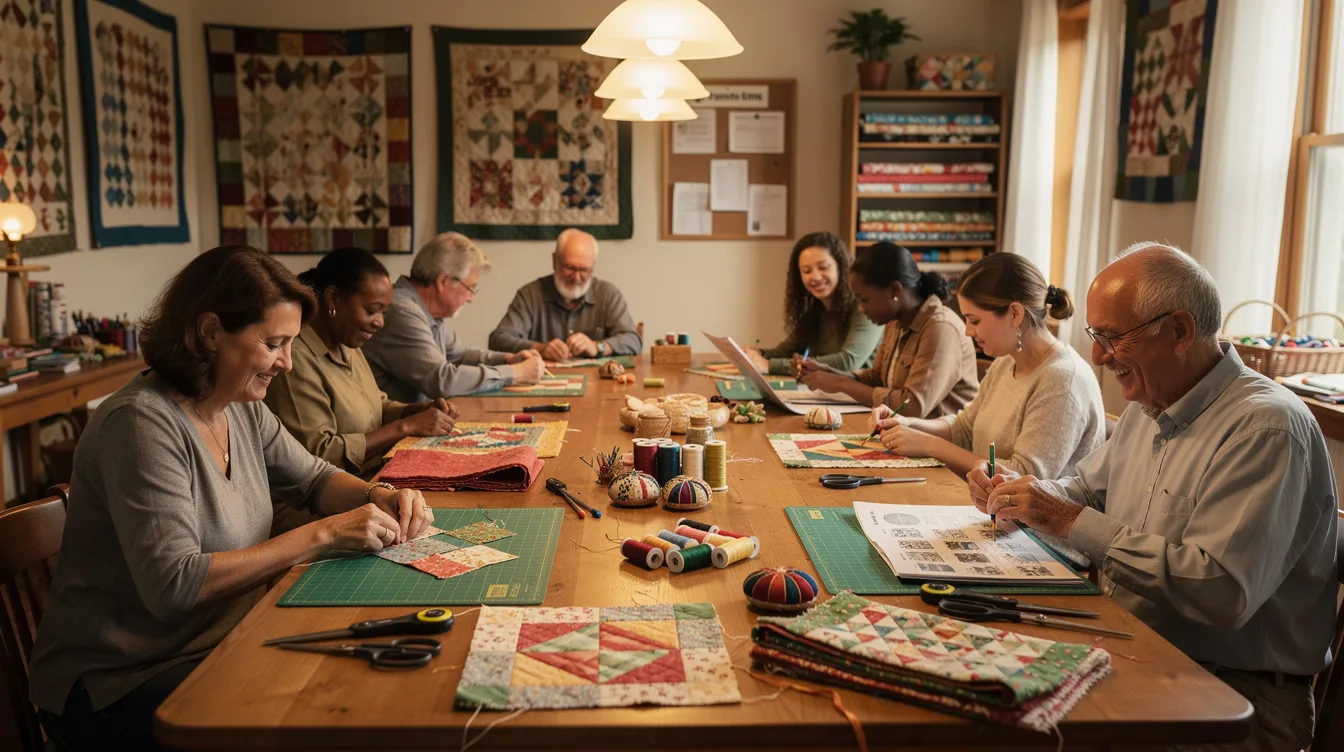
- Craft, quilting, patchwork, stained glass, writing, storytelling, and drumming groups
- Bootcamp, Zumba, and Pilates exercise classes
- Men’s Shed and community shed connections (Beaconsfield House often works alongside the local Tasmanian Men’s Shed Association network)
- Support with forms, phone calls, and legal literacy
- Driver Mentor Program and No Interest Loans Scheme (NILS)
- Financial counselling and visiting health sessions (including the Access to Health Service Program)
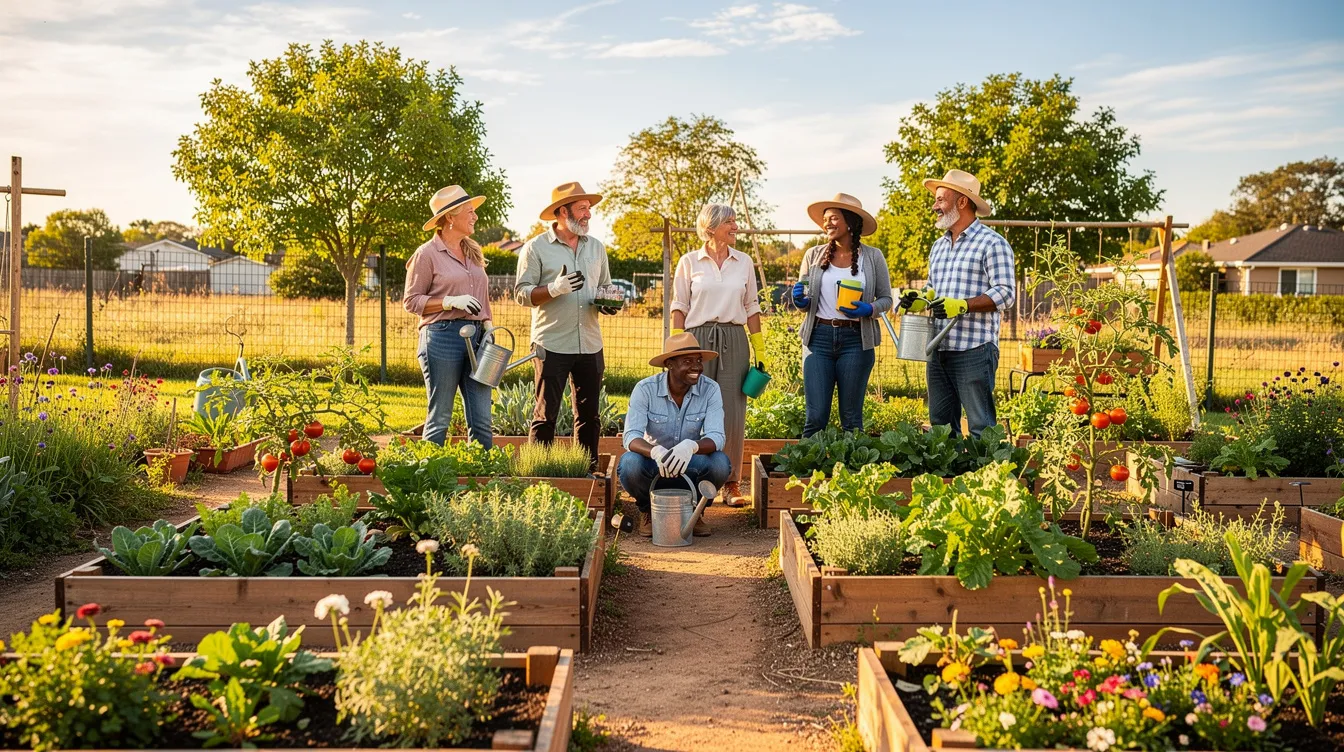
- Community garden and op shop
- FunStation after-school care
Membership costs just $2 per year, which gives you a say on the committee and access to volunteer roles in the op shop or garden.
How to get involved, step by step:
- Check the latest timetable on their Facebook page or by phoning the house.
- Phone to introduce yourself and ask if you can tour the house first.
- Choose one regular group – like a weekly craft session or shed morning – and attend for a month to build familiarity.
- Explore volunteering if you enjoy it and want to contribute.
Re.Connect Support Services can help people who are nervous about entering new spaces by planning a graded approach: first visit just for a cuppa and a look around; second visit, stay for half the group; third visit, stay the full time. This gentle pacing makes all the difference, especially for carers who may also need government-subsidised respite care options to sustain their own wellbeing.
Other Northern Tasmania Neighbourhood Houses and Community Hubs
Beyond the houses profiled above, there are many other community centres and neighbourhood houses across Northern Tasmania worth knowing about.
- Tresca Community Centre in Exeter (West Tamar Valley) runs volunteers, an op shop, Men’s Shed, community garden, and room hire. Open weekdays 9am–3pm. Phone 03 6394 4231.
- St He-lens Neighbourhood House, Dorset Community House (Scottsdale), and Fingal Valley Neighbourhood House offer seasonal produce programs, Eating With Friends groups, community gardens, craft, and music groups.
- Deloraine House and Longford-area community centres run their own music groups (think ukulele, acoustic guitar), art and craft circles, Men’s Sheds, and drop-in spaces open to both locals and newcomers.
The Northern Midlands Council applied for $263,824 in funding to support a neighbourhood house pilot project that cost a total of $293,824. The council’s 10% contribution came into play because it was required to meet the program’s funding condition. That pilot program ran from early 2021 to the end of 2023, testing new approaches to community connection and support in areas that had not previously had formal neighbourhood house programs.
To find which house is closest to you, use the Neighbourhood Houses Tasmania “Find a House” tool at nht.org.au, or check your local council website for community directories.
Some small rural halls or community centres function exactly like neighbourhood houses even if they use a different name. Re.Connect Support Services can help you untangle these options and choose the best fit for your interests, location, and support needs.
How to Join Groups, Check Programs and Ask the Right Accessibility Questions
This section is your practical, step-by-step guide. It covers how to find a neighbourhood house near you in Northern Tasmania, how to read program timetables, and what to ask if you have access, financial, or support needs.
The tone here is deliberately direct. You deserve clear, useful information – not vague suggestions.
Finding the Right Neighbourhood Houses for You
Start by locating a nearby house. You have several options:
- Use the Neighbourhood Houses Tasmania directory on their website
- Search Google Maps for terms like “neighbourhood house Launceston” or “community house George Town”
- Check the “Community” section of your local council website
Before you choose where to start, think about what you actually want from a house. Here are some common reasons people attend:
- Friendship and company (community lunches, morning teas, social groups)
- Kids’ playgroups or youth spaces
- Practical skills like cooking, budgeting, or digital literacy
- Access to computers and Wi-Fi
- Support around employment, housing, or government forms
- Creative outlets (craft, art, music, gardening)
Re.Connect Support Services can sit down with you, list your goals – maybe “feel less isolated,” “learn to cook healthy meals,” or “build my confidence on buses” – and then map those goals to specific houses and groups that run on the right days and in the right locations.
You do not have to live in the exact suburb of a house to attend. Many neighbourhood houses welcome people from across the region. Some programs (like food relief) may prioritise local postcodes, so it is worth asking.
Checking Current Neighbourhood Houses Programs and Contact Details
Timetables change regularly. A group that ran every Monday last term may have shifted to Wednesday, or a new cooking class might have started while an old one wrapped up. Always review the latest program list on the house’s website or Facebook page, and do not rely on an old flyer or a friend’s memory.
When checking programs, look for these key details:
- Day of the week and start and finish time
- Age or eligibility limits
- Cost or donation information
- Whether bookings are required or whether you can just drop in
- Whether the activity runs during school holidays or only during term
How to verify: Call the reception line, send a Facebook message, or email the house. When you make contact, say you are new and ask, “What would you recommend I try first?” Staff love this question – it helps them match you with the right group.
Re.Connect Support Services staff can make this first contact on your behalf if phone calls or new conversations feel overwhelming, and can then share the information in an easy-read or visual schedule format, which can be especially helpful for people using specialist NDIS autism support services.
Questions to Ask About Accessibility, Safety and Support
Every neighbourhood house wants to be welcoming, but buildings and programs differ. It is okay – and genuinely helpful – to ask detailed accessibility questions before your first visit. Houses appreciate the heads-up so they can prepare.
Physical access questions you can copy and use:
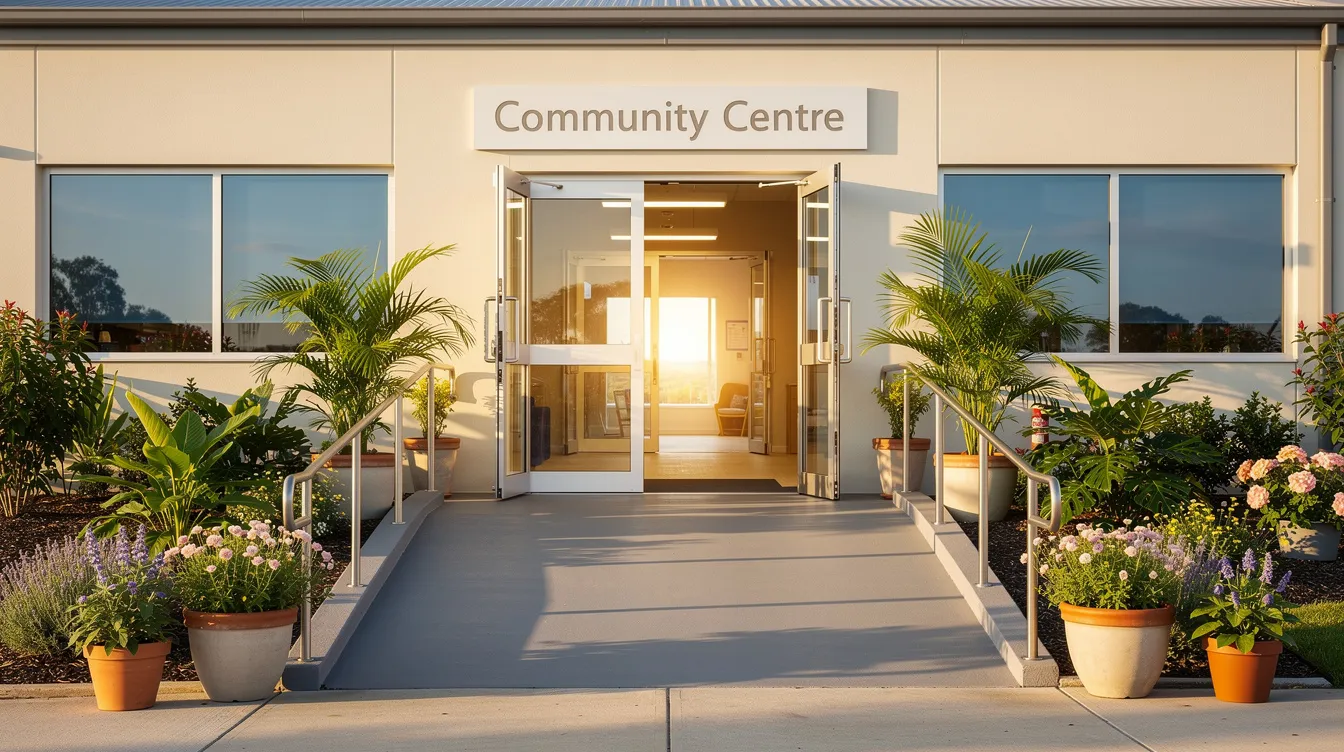
- Is there step-free access or a ramp at the main entrance?
- Is there an accessible toilet?
- Are doors wide enough for wheelchairs or walkers?
- Is there close parking or a drop-off point?
Sensory and mental-health-friendly questions:
- How noisy is the space during this group?
- Is there a quieter corner I can use if I need a break?
- Is it okay if I step outside for breaks?
- Can I bring a support person, friend, or support worker with me?
Practical questions:
- Do I need to book, or can I just drop in?
- Is there a cost or gold-coin donation?
- Can I pay by card, or is it cash only?
- Do you provide morning tea, or should I bring my own snack?
Re.Connect Support Services workers can help you plan these questions, contact the house in advance, and attend alongside you, gradually building your confidence to go independently over time, which can be vital when also navigating dementia support services and environments.
Making the Most of Your First Few Visits
Your first visit sets the tone. Here is how to make it easier:
- Arrive a little early. Introduce yourself to staff at reception or the kitchen.
- Let them know it is your first time. Ask someone to show you where the toilets, kitchen, and quiet spots are.
- You do not need to stay for the entire session if you are not ready. Even fifteen minutes counts.
Do not judge the experience on the very first day. The story of belonging does not start with instant friendship – it builds over weeks. Try the same group three or four times to allow relationships and routines to settle in.
Set simple connection goals for yourself each week:
- Say hello to one new person
- Learn one person’s name
- Stay five minutes longer than last time
- Enjoy a cup of tea with someone you recognise
Celebrate these steps as genuine wins. They matter more than you might think.
Re.Connect Support Services can debrief after each visit, adjust which groups you attend, and help with problem-solving if something did not feel quite right – whether that means changing groups, trying different times, or exploring a different house altogether, alongside organising in-home elderly care and support services if that suits your situation.
Frequently Asked Questions about Neighbourhood Houses in Northern Tasmania
These FAQs answer common practical questions not fully covered above, focused on costs, eligibility, safety, transport, and support coordination.
Do I have to pay to attend a neighbourhood house group?
Many activities at neighbourhood houses are free or ask for a small gold-coin or low-cost contribution – for example, $2 to $5 for a community lunch or craft group. Houses often have flexibility if cost is a barrier. Always ask about fees when you check the timetable, and mention if you hold a concession card, are on a low income, or have been referred through a support service so staff can suggest the most affordable options.
Can I go to a neighbourhood house if I’m not sure I’ll know anyone?
Most community members who walk through the door for the first time do not know anyone there. Staff and volunteers are used to welcoming newcomers, introducing them to others, and helping them ease into groups at their own pace. You could bring a trusted support person, family member, or a Re.Connect Support Services worker to the first few visits until you feel more comfortable. No one will think it is strange – it happens all the time.
Are neighbourhood houses safe and inclusive for LGBTQIA+ community members and people from diverse cultures?
Tasmanian neighbourhood houses aim to be inclusive, non-discriminatory spaces and often host events specifically celebrating cultural diversity, First Nations communities, and LGBTIQA+ inclusion. Programs like NSCC’s Connected Women Tasmania and Meenah Neenah Aboriginal Cultural Art reflect this commitment, and can complement more formal Supported Independent Living (SIL) disability services where people also seek everyday community connection. Ask each house directly about their inclusion policies, specific groups (such as queer youth groups or multicultural mornings), and any house guidelines around respect and safety. Re.Connect Support Services can help advocate for safe participation if needed.
Can neighbourhood houses help with housing, Centrelink or mental health crises?
Neighbourhood houses are not crisis centres, but they can often sit with you, help you make phone calls, and connect you with specialist services such as Housing Connect or health and mental health services listed on official Tasmanian Government sites, as well as help you explore Supported Independent Living (SIL) housing options if that is part of your longer-term plan. For immediate emergencies, contact 000 or relevant crisis lines. Houses are better seen as ongoing, everyday places for connection, routine, and gentle support – the kind that helps prevent crises from building up in the first place.
How can Re.Connect Support Services work with neighbourhood houses to support me?
Re.Connect Support Services can help you choose the right neighbourhood house, plan which groups to try, contact staff in advance, and go with you for the first few visits if you would like, especially if you or a family member are also weighing different aged care services and providers. Over time, Re.Connect focuses on building your confidence to attend independently, make your own friendships, and use neighbourhood houses as long-term hubs for belonging and community life in Northern Tasmania. The goal is not to do it for you – it is to walk beside you until you are ready to walk in on your own.