
Quick Answer: What Are Daily Living Support Benefits?
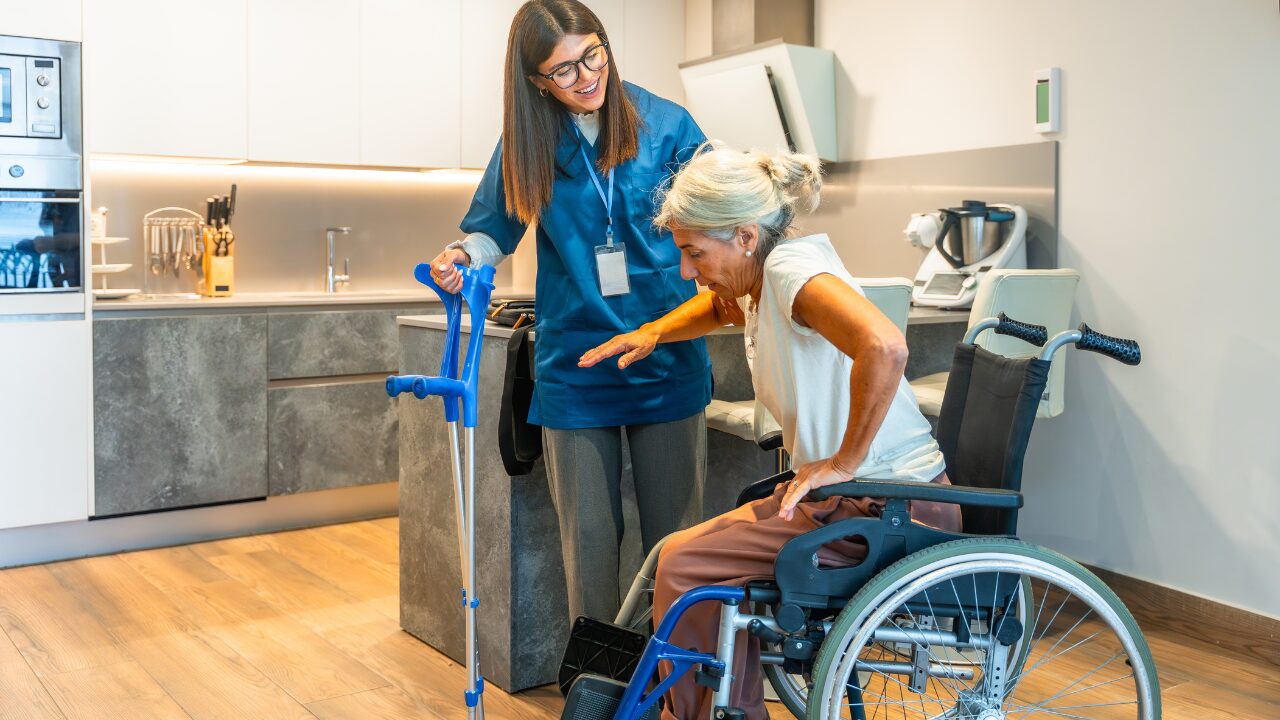
Daily living support benefits help an NDIS participant receive support with everyday tasks they cannot safely or independently do because of their disability.
These supports can include personal care, meal preparation, household tasks, mobility assistance, medication prompts, support to attend appointments, and help joining community events.
Under the National Disability Insurance Scheme, daily living supports often sit under Core Supports, specifically Assistance with Daily Life, when the goal is practical help with day to day activities. The NDIS explains that funded supports must relate to the person’s disability and meet its funding criteria, including being reasonable and necessary. NDIS: Supports funded by the NDIS
Key Takeaway For NDIS Participants
Daily support can make life easier, safer, and more independent when it directly relates to your disability, individual needs, and goals.
Before using NDIS funding, check your NDIS plan, speak with your support coordinator, plan manager, Local Area Coordinator, or NDIS planner, and consult official NDIS resources.
At Re.Connect Support Services, daily living support is approached with one clear focus: helping participants live with greater independence, dignity, safety, and confidence in their own home and community, reflecting their broader vision of empowering individuals to reclaim their lives.
What Are Daily Living Supports?
Daily Living Supports In Plain Language
Daily living supports are practical support services that help a person manage daily tasks at home and in the community.
They may include help with personal hygiene, cooking meals, cleaning, laundry, grocery shopping, mobility, self care activities, medication routines, and getting ready for the day.
The main goal is to help the person maintain daily living, develop independence, and live life with more confidence.
The Core Goals Of Assistance With Daily Life
Assistance with daily life is designed to help people with disability do things they may not be able to do safely or independently.
This type of disability support may:
- Promote independence
- Support personal care
- Maintain a safe living environment
- Reduce falls and accidents
- Make daily activities easier
- Support community participation
- Help the person stay in their own home
- Relieve family members from intensive care duties
- Improve quality of life and well being
Daily living support provides a foundation for independence, improved health outcomes, and a more fulfilling life, especially when participants understand how it fits within the NDIS Core Supports category.
It also helps people maintain control over their routines, choices, and home environment.
Everyday Tasks And Household Chores Covered
Common Everyday Tasks Funded By NDIS
Daily living supports can include help with everyday tasks such as personalised in-home care and domestic assistance:
- Showering
- Dressing
- Grooming
- Toileting
- Eating and drinking
- Meal preparation
- Moving around the home
- Getting in and out of bed
- Laundry
- Cleaning
- Attending appointments
- Using public transport
- Joining social activities
- Accessing community events
The NDIS Support Catalogue includes daily personal activities and household tasks under Assistance with Daily Life, including support with self-care activities, essential house cleaning, basic house or yard work, laundry-related support, and meal preparation where the participant cannot do these tasks themselves. NDIS Pricing Arrangements and Price Limits
Household Chores Examples

Household chores may be funded when they are directly related to disability support needs.
Examples include:
- Cleaning floors to reduce fall risks
- Laundry assistance when disability affects lifting
- Changing bed linen when mobility is limited
- Meal preparation when cooking safely is difficult
- Grocery shopping support when the participant cannot shop alone
- Organising the home environment to support safe movement
These supports are not about luxury or convenience, but about using the NDIS Core Supports budget effectively.
They are about helping the person maintain a safe, healthy, and functional living space.
Tasks Usually Not Funded
The NDIS usually does not fund everyday expenses that everyone is expected to pay for themselves.
This may include:
- Rent
- Mortgage payments
- Groceries
- Utility bills
- General home repairs
- Cleaning unrelated to disability needs
- Gardening for appearance only
- Tasks better funded by another service system
The NDIS only funds supports that meet its funding criteria and are not excluded by law, and many participants work with NDIS support coordinators to understand what can be included. NDIS: Supports funded by the NDIS
Personal Care, Meals, And Mobility Examples
Personal Care Assistance
Personal care assistance can include support with showering, dressing, grooming, toileting, continence routines, oral hygiene, hair care, and other self care activities.
These tasks are essential for personal hygiene, dignity, comfort, and safety.
For many participants, the right support worker can make personal care feel respectful, calm, and empowering.
Meal Preparation Support
Meal preparation support may include planning meals, preparing ingredients, cooking meals, serving food, and cleaning up after food preparation.
Some participants need a support worker to supervise cooking for safety.
Others need tailored support to build skills over time.
For example, a participant may begin with full assistance, then gradually learn to prepare simple meals with prompts, visual instructions, or adaptive tools.
Mobility And Transfer Assistance
Mobility support may include moving safely around the home, transferring from bed to chair, using mobility aids, or getting in and out of vehicles.
Assistance with mobility and suitable home modifications can reduce the risk of falls and accidents.
This is especially important when a participant has physical disability, fatigue, balance issues, or complex support needs that may eventually require supported independent living options.
Assistance With Daily Life Vs Capacity Building

What Is The Difference?
Assistance with Daily Life usually means practical help with daily tasks.
Capacity Building means support that helps a person build skills, confidence, independence, and ability over time.
Core Supports can help with everyday needs, while Capacity Building supports are aimed at helping participants build skills and work towards their goals, so it is important to understand how your NDIS Core Supports budget is structured. NDIS: Understanding your plan
When To Request Capacity Building Supports
Request capacity building supports when the goal is not only to receive support, but to learn, improve, or develop independence.
You might request capacity building for:
- Learning to cook
- Building a routine
- Improving self care
- Using public transport
- Managing appointments
- Budgeting
- Developing confidence in social activities
Many programs focus on “learning to do,” not just “doing for.”
Example Of Improved Quality Through Training
A participant may receive support workers for meal preparation under Core Supports.
They may also receive allied health input under Capacity Building to learn safe kitchen skills, use adaptive equipment, and develop routines.
Over time, this can lead to improved quality, greater independence, and a more confident daily life.
Eligibility, Funding, And Where Supports Sit In Plans
Core Supports Placement
Daily Living Supports are usually part of the Core Supports budget under Assistance with Daily Life.
The NDIS explains that support budgets are grouped into different types, including core supports, capacity building supports, capital supports, and recurring supports. NDIS: Support budgets
Core Supports are often flexible, but participants still need to follow NDIS rules and apply essential tips for managing NDIS funding.
NDIS funding for daily living supports can usually be used flexibly within the relevant Core Supports categories, as long as the support meets the participant’s goals and the reasonable and necessary test.
Capacity Building Placement
Capacity Building supports are usually for skill development.
You cannot always move Capacity Building funding between categories, so check your plan carefully.
Your plan aligns best when practical supports and skill-building supports work together.
Check Support Codes And Price Limits
Before booking services, check:
- Your NDIS plan category
- The support item
- The support code
- The provider’s hourly rate
- Current NDIS price limits
- Whether your plan manager can process the invoice
- Whether the service meets reasonable and necessary rules
The NDIS Pricing Arrangements and Price Limits document provides current price limits and support item information for providers and participants. NDIS: Pricing Arrangements and Price Limits
How To Explain Daily Support Needs In Planning Meetings
Bring Real-Life Examples
In your planning meeting, avoid saying only, “I need help at home.”
Instead, explain the real-life challenge.
You might say:
- “I need help showering safely because I lose balance.”
- “I need support with meal preparation because I cannot safely use hot surfaces.”
- “I need help with laundry because lifting baskets causes pain.”
- “I need support to attend appointments because I cannot travel alone.”
- “I need help with grocery shopping because public transport is difficult without assistance.”
Specific examples help an NDIS planner understand your support needs.
Quantify Weekly Hours
Be ready to estimate how many hours you need each week.
For example:
- Personal care: 7 hours per week
- Meal preparation: 3 hours per week
- Household tasks: 2 hours per week
- Appointments: a few hours per fortnight
- Community participation: 4 hours per week
This helps show how much support is needed and why.
Bring Evidence
Useful evidence may include:
- Occupational therapy reports
- Functional capacity assessments
- GP letters
- Physiotherapy reports
- Behaviour support plans
- Risk assessments
- Support worker notes
- Incident records
- Carer statements
Evidence should explain how the disability affects day to day activities and why support is needed.
Choosing Disability Support Providers
Provider Selection Checklist
When comparing NDIS providers, ask:
- Do they understand your disability support needs?
- Can they provide personalised support?
- Do they offer tailored support for your goals?
- Can they match you with the right support worker?
- Are support workers trained?
- Can they support personal care safely?
- Do they communicate with family members if consent is given?
- Do they follow NDIS rules and price limits?
- Can they provide support at the times you need?
Support plans should be personalised to meet unique and changing needs, not based on a one-size-fits-all model.
Ask About Worker Matching And Training
Worker matching matters.
Ask whether support workers are matched by skills, experience, personality, language, location, and support needs.
Support workers may also provide companionship and help participants stay connected with friends, family members, and their local community through tailored community connection and engagement support.
High-Intensity Daily Living Support And SIL Considerations
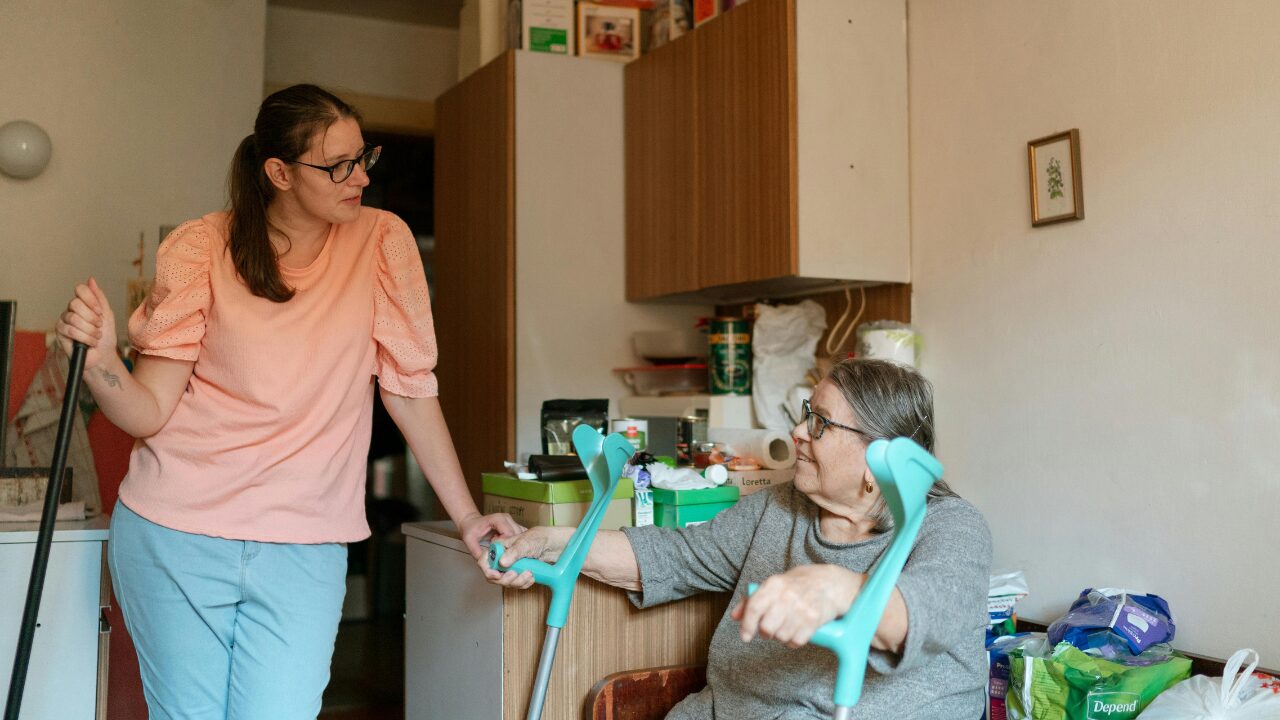
When High-Intensity Supports Are Necessary
High-intensity daily living support may be needed when the participant has complex medical, behavioural, or personal care needs.
This may include complex bowel care, enteral feeding, diabetes management, seizure support, urinary catheters, or complex mobility support.
Providers should have documented clinical training and staff competencies for these tasks.
Trained caregivers can help reduce the risk of accidents and falls, assist with medication routines, monitor health conditions, and support safer care.
SIL Vs ADL For Continuous Needs
Supported Independent Living, or SIL, provides a higher level of support for people with significant or complex needs.
The NDIS describes SIL as help or supervision with daily tasks to help people live as independently as possible while building skills, and it is generally for participants with higher support needs who need support at home all the time. NDIS: Supported Independent Living
Assistance with Daily Life may be more suitable for participants who need support with specific daily tasks, but not continuous shared living support.
If support needs are complex, ask for help from a specialist support coordination service.
Practical Tips To Increase Greater Independence
Set Small, Measurable Goals
Greater independence grows through small steps.
Goals may include:
- Brushing teeth with prompts
- Preparing breakfast twice a week
- Folding laundry with support
- Catching public transport with a support worker
- Attending one community event each month
- Managing a simple weekly routine
Small goals can reduce frustration, anxiety, and helplessness.
Predictable routines and reliable help can also support confidence and well being.
Trial Assistive Technology
Assistive technology may make daily living supports more effective.
Examples include:
- Shower chairs
- Grab rails
- Modified cutlery
- Visual schedules
- Medication reminders
- Mobility aids
- Kitchen safety tools
- Communication devices
The right tools can help a person live independently and safely in their own home.
Schedule Regular Reviews
Review supports regularly with your support team.
Ask:
- Is the support helping?
- Has independence improved?
- Are routines working?
- Is the participant safer?
- Are family members less overwhelmed?
- Are support workers using the right strategies?
- Does the plan need to change?
Good support services should adapt as needs change.
Improved Quality Of Life: Outcomes To Track
Wellbeing Indicators
Track outcomes that matter in real life.
Useful indicators include:
- Confidence
- Safety
- Personal hygiene
- Community participation
- Appointment attendance
- Home cleanliness
- Meal routines
- Mobility
- Mood
- Reduced family stress
- Reduced hospitalisations
- Participant feedback
Regular help with medication prompts and attending medical appointments may help prevent complications when those supports are approved in the plan and relate to the participant’s disability.
Collect Participant Feedback
Ask the participant:
- Do you feel respected?
- Do you feel safer?
- Is support reliable?
- Is the support worker a good match?
- Are your routines easier?
- Do you feel more independent?
- What would you like to change?
Daily living support benefits should help the person live life with more dignity, safety, choice, and independence.
How Re.Connect Support Services Can Help

Personalised Daily Living Support
Daily living support benefits work best when the support is practical, respectful, and tailored to the person’s real life.
That is where Re.Connect Support Services can help.
Re.Connect Support Services provides disability support and personalised support for NDIS participants who need assistance with daily life, household chores, community participation, personal care assistance, and support coordination.
Support may include practical help with:
- Meal preparation
- Personal hygiene
- Cleaning
- Grocery shopping
- Mobility
- Everyday activities
- Attending appointments
- Building routines at home or in the community
Whether a participant needs a few hours of weekly assistance or more regular support, the goal is to help them live more confidently and safely in their own home.
For families and referrers, Re.Connect Support Services offers a supportive pathway to explore what daily support may look like and how the right services can improve quality of life, alongside other family support resources.
To learn more, visit Re.Connect Support Services or contact the team through the Re.Connect Support Services contact page.
Frequently Asked Questions About Daily Living Support Benefits
What Are Daily Living Support Benefits?
Daily living support benefits are NDIS-funded supports that help participants with daily tasks they cannot safely or independently do because of their disability.
Are Daily Living Supports Part Of Core Supports?
Yes. Many daily living supports sit under Core Supports as Assistance with Daily Life, depending on the participant’s plan and goals.
Can NDIS Funding Pay For Cleaning?
It may fund cleaning when the need is directly related to the participant’s disability and helps maintain a safe living environment.
Can The NDIS Pay For Groceries?
Usually no. Groceries are an everyday living cost.
However, support with grocery shopping may be funded if the participant needs assistance due to disability.
Can Daily Living Support Include Community Access?
Yes. Community access support may help a participant attend appointments, use public transport, join social activities, or access community events safely.
Can Plan Reviews Change Daily Living Supports?
Yes. If your support needs change, a plan review may change your funding, support categories, or hours.
Resources, Next Steps, And Where To Get Help
Official NDIS Resources
For accurate information, visit official NDIS pages on:
- Supports funded by the NDIS
- Using your NDIS plan
- NDIS support budgets
- NDIS Pricing Arrangements and Price Limits
The Disability Gateway is also a useful Australian Government service that helps people with disability, families, and carers find information, services, and support in Australia.
Next Steps For Participants And Families
Bring real examples, evidence, and weekly hour estimates to your next planning meeting.
Ask your Local Area Coordinator, support coordinator, plan manager, or NDIS planner where your daily living supports sit in your plan, and how support coordination services can help you use them day to day.
Choose NDIS providers who understand your individual needs, provide support safely, and focus on personalised care options that promote independence.
Final Thought
Daily living support benefits are not just about completing tasks.
They are about helping people live with more safety, dignity, confidence, and independence.
With the right NDIS plan, the right provider, and the right support worker, daily living can become less stressful, more manageable, and more connected to the person’s goals.