Understanding how NDIS funding levels work for support at home can feel overwhelming – but it doesn’t have to be. Whether you’re a new ndis participant or preparing for a plan review, knowing what each supports budget covers puts you in the driver’s seat. Let’s break it all down.
Key Takeaways
NDIS funding for support at home is split across Core, Capacity Building and Capital budgets, all working together to help you live independently and participate in community activities. NDIS funding is based on individual needs rather than set levels – there are no fixed dollar “tiers.”
- The core supports budget covers everyday needs like personal care, household cleaning, yard maintenance, and social and community participation.
- Capacity building supports help you develop new skills and increase independence through therapies, support coordination, and programs like school leaver employment supports.
- Capital supports fund one-off, high-cost equipment items such as assistive technology, communication devices, and home modifications (think hand rail installations or widening doorways).
- “Support at home classifications” mainly refer to assistance with daily life, assistance with social and community participation, capacity building therapies, and capital items.
- NDIS plans have 4 support budgets, and funding levels are decided through functional assessments and evidence – not diagnosis alone.
Re.Connect Support Services can help participants across Australia understand their plan, use their core budget flexibly, and prepare evidence for plan reviews. Read on, and reach out to us for a chat.

How NDIS Funding Levels Work for Support at Home
Since the full national rollout in July 2020, ndis funding has been organised into support budgets and ndis funding categories – not flat “packages.” This structure remains current for the 2025–26 pricing period.
“Support at home classifications” in plain language means the funded help you receive for daily living, social participation, therapies to build independence, and physical changes to your home or equipment so you can live safely. NDIS funding must meet the “reasonable and necessary” criteria under the NDIS Act 2013 – funding can only be used for reasonable and necessary supports, not based on a medical diagnosis alone.
Planners and assessors look at your functional capacity, informal supports from family, risks at home, and your goals before deciding how much funding goes into each budget. NDIS applications require documenting daily impacts and personal goals to build the strongest case.
The Three Main NDIS Support Budgets Explained
Every ndis plan can include up to three main support budgets – Core, Capacity Building, and Capital – plus a separate recurring support budget for transport. Each support budget has multiple support categories, and there are 21 support categories under NDIS funding in total. Not every participant receives all three budgets; funding only appears where the NDIA has assessed it as reasonable and necessary.
- The core supports budget covers everyday help with daily life and community participation.
- The capacity building budget focuses on building your skills and independence across nine sub-categories.
- Capital funding pays for big-ticket items such as assistive technology and home or vehicle modifications.
You cannot transfer funds between different support budgets without a formal plan reassessment. A separate recurring transport budget exists for eligible participants, often paid as regular payments fortnightly. Always check the latest NDIA documentation for updates.
Core Supports Budget: Everyday Help in Your Home and Community
Core supports help with everyday activities related to your disability – both at home and in the community. The core supports budget is the most flexible funding category in your plan, and funding can be moved between Core Support categories as needed.
The four main core support categories are:
- Assistance with daily life – personal care, meal prep, household cleaning, yard maintenance, overnight support.
- Assistance with social and community participation – a support worker helping you attend community events, social and recreational outings, and recreational activities.
- Consumables – low risk items and disability-related products like continence products.
- Transport – sometimes included in core or treated as recurring support depending on eligibility.
Participants can use core supports for social and community participation, recreational inclusion, and social and community activities. Core supports include assistance with daily life and transport.
Example: Mia in Brisbane uses her core budget for a support worker three mornings a week for personal care and meal prep (~$70.23/hr weekday rate under the 2025–26 PAPL). She shifts some funding to community participation on weekends – attending social groups and community activities – because her core budget is flexible. Note that core supports generally do not fund gym memberships as a standalone leisure expense, though some social and community activities at an appropriate place may be supported.

Capacity Building Supports: Growing Your Independence
Capacity building supports help increase independence and skills – think of them as investing in your future. Funding for capacity building is less flexible than core supports; there are nine sub-categories within Capacity Building supports, and you generally cannot move money between them.
Key sub category areas include:
- Improved daily living – therapies (OT, physio, psychology, speech) to build daily living skills, diet advice for improved health and wellbeing.
- Improved living arrangements – help finding the right disability accommodation or housing.
- Increased social and community participation – programs to develop positive behaviours and social participation.
- Support coordination – a support coordinator helps you navigate services and manage your supports effectively.
- Employment related support – finding and keeping a job, school leaver employment supports, and further education pathways.
Capacity building supports can also help you develop positive behaviours and learn new skills for daily life. While they don’t usually pay for ongoing support workers, they train you, your family, or your support team to manage more independently.
Example: George in Sydney uses his capacity building budget for OT and a psychologist over 12 months, learning to cook safely and plan weekly routines. As his skills grow, his core supports (hours of personal care) may reduce in his next plan – a win for independence.
Capital Supports: Assistive Technology, Home Modifications and Housing
Capital supports fund one-off high-cost items – equipment, technology, and changes to your home. This funding category also occasionally covers specialist disability accommodation.
The two main capital categories are:
- Assistive technology – wheelchairs, hoists, communication devices, specialised beds, vehicle modifications, and other equipment items.
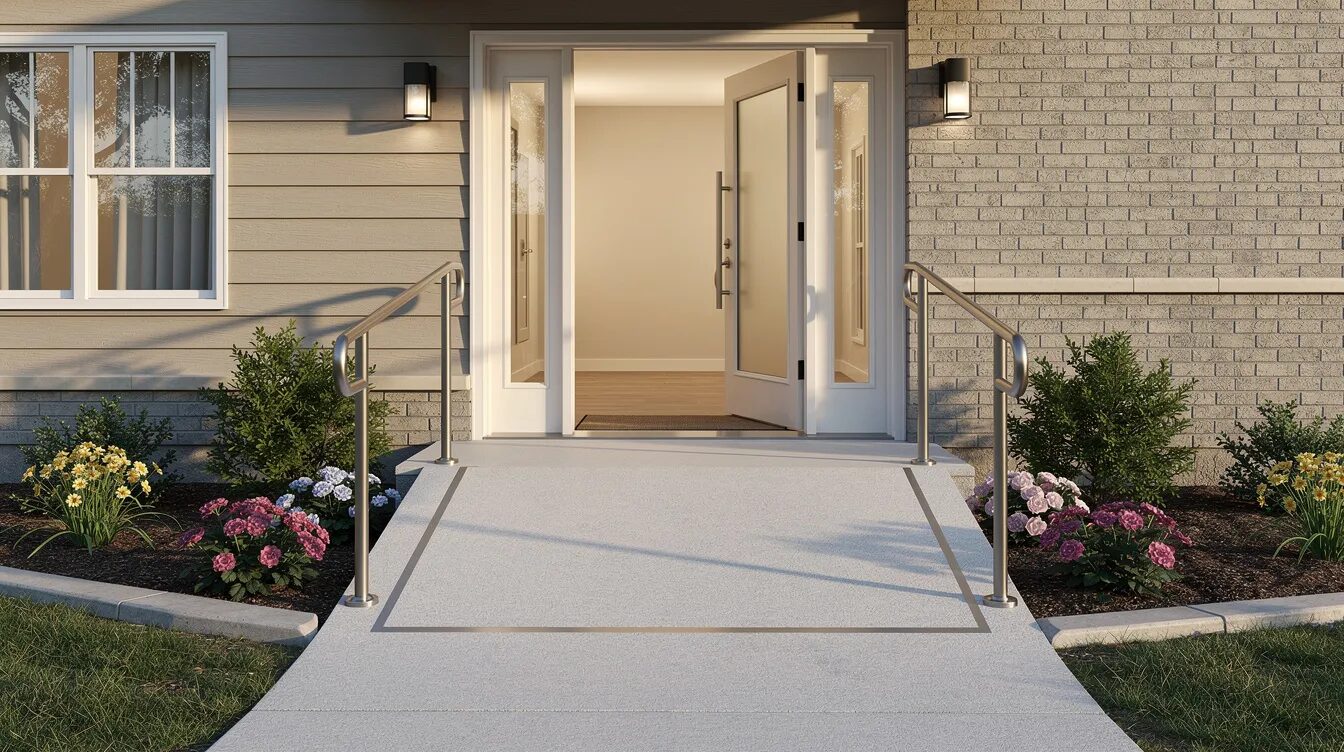
- Home modifications – ramps, bathroom modifications, installing a hand rail, widening doorways, or kitchen changes for safe daily living.
Capital supports require quotes and approvals for funding, backed by specialist reports (usually from an OT). Funding for capital supports cannot be used for other purposes – this is the least flexible budget. Home modifications can include installing safety rails or widening doorways, and assistive technology includes items like wheelchairs and vehicle modifications.
Importantly, the right home or vehicle modifications can reduce hours of personal care needed each day, which planners consider when setting your ndis funding levels.
Recurring Transport Funding: Getting To and From Your Supports
Recurring transport funding is a special type of ndis funding for participants who cannot use public transport due to their disability. It’s paid as regular payments (usually fortnightly) and is separate from a support worker’s travel costs under core supports.
The NDIS recognises three transport funding levels:
| Level | Annual Amount | Typical Situation |
|---|---|---|
| 1 | $1,784 | Seeking more community access, not working/studying |
| 2 | $2,676 | Part-time work/study or day programs |
| 3 | $3,456 | Working or studying 15+ hours/week |
Each level is a fixed amount set by the NDIA and may be indexed yearly. If your community participation increases – a new job, a course, more social and community activities – you may need updated evidence before your transport funding is adjusted at plan review.
How NDIS Funding Levels Are Decided for Support at Home
NDIS funding levels are individually tailored. There are no preset tiers. A Functional Capacity Assessment evaluates how disability impacts daily life for NDIS funding decisions.
Planners consider:
- Your functional capacity in daily living domains (showering, dressing, cooking, managing medications).
- Safety and risk at home (falls, choking risk, night-time supervision).
- Informal supports from family or carers, and their sustainability.
- Your goals for independence, community participation, and housing.
The NDIA may use tools such as the Care and Needs Scale (CANS) or WHODAS to quantify needs. Evidence that strengthens your case includes allied health reports, behaviour support plans, hospital discharge summaries, and incident reports from current providers.
Re.Connect Support Services can work with participants and therapists to document actual support hours, risks observed at home, and functional gains – all powerful evidence at plan review time.
Maximising Your Support at Home: Flexible vs Stated Supports
Support budgets can be flexible or stated in your plan. Understanding the difference is crucial.
Flexible funding (mostly in Core): Many assistance with daily life and social and community participation supports are flexible within the core budget. You can increase or decrease hours across these areas as your needs change, provided you stay within your total budget. For example, you might reallocate from household cleaning to more community participation one month.
Stated support items (usually Capacity Building or Capital): These must be used exactly as described – a specific therapy program, a particular assistive technology item. You can’t swap them for something else without a plan variation.
If you choose to control plan management yourself (self-managed) or use a plan manager, you’ll have more choice over providers, but the same rules about flexible and stated supports apply. Speak with your support coordinator or plan manager before making big changes to avoid claim rejections.
Evidence and Plan Reviews: Asking for Higher Funding Levels
If current ndis funding levels aren’t meeting your everyday needs, you can request a plan reassessment. You’ll need clear, current evidence.
Documents that strengthen your request:
- Updated functional assessments from OTs and allied health professionals.
- Detailed support worker logs showing hours needed for assistance with daily life and social participation.
- Behaviour support plans for complex needs.
- Photos or reports showing falls, unsafe environments, or unmet needs at home.
Evidence should show why current funding is not enough, what may happen without more support (hospital admissions, carer burnout), and how additional Core, Capacity Building or Capital supports will improve independence and safety. Aim to gather evidence 8–12 weeks before your review.
Re.Connect Support Services collaborates with participants, families, and clinicians to prepare fact-based summaries of day-to-day support for planners and support coordinators.
How Re.Connect Support Services Fits Into Your NDIS Funding

Re.Connect Support Services is an Australian NDIS provider focused on support at home and in the community. Look for the ndis logo on registered provider materials when choosing your team.
NDIS funding categories you can typically use with Re.Connect:
- Core: assistance with daily life and assistance with social and community participation.
- Capacity Building: increased social and community participation programs, and support coordination where available.
On a typical shift, our workers help with morning or evening personal care routines, meal preparation and building cooking skills, light domestic tasks and weekly planning, and supported outings for community participation and social connection – from recreational activities to community events.
Our approach is person-centred: building capacity while providing hands-on support, and working closely with families, guardians, and allied health professionals to address individual needs.
Get in touch with Re.Connect Support Services for an obligation-free chat about how your ndis funding levels can be used for tailored support at home. We’re here to help you live independently and get the most from your plan.
Frequently Asked Questions
Is there a standard NDIS “funding level” for support at home?
No. The NDIS does not use fixed package levels like aged care home care packages. Funding is tailored to each person based on functional capacity, risks, goals, and evidence. Two people with the same diagnosis can have very different funding levels, depending on how their disability affects their daily life. You’ll see your funding broken down into Core, Capacity Building and Capital budgets – not preset “tiers.”
Can I move money between Core, Capacity Building and Capital supports?
Generally, no. You cannot move funding between the three main budgets without a formal plan reassessment through the NDIS. There is flexibility within core supports (between assistance with daily life and community participation, for instance), but capacity building and capital are usually restricted to their stated support items and other categories within each budget. Speak with your support coordinator or plan manager before making changes.
What’s the difference between assistance with daily life and daily living skills training?
Assistance with daily life is a core support where a support worker does tasks with or for you – showering, dressing, household cleaning. Daily living skills training is usually a capacity building support that teaches you to do those tasks independently. For example, a support worker helping you cook dinner is Core, while an OT running a structured cooking program is Capacity Building. Re.Connect aims to blend both wherever possible.
Can NDIS funding be used for gym memberships or recreational activities?
Core supports don’t typically fund gym memberships directly as a standalone leisure expense. However, if attending a gym is part of a broader plan for improved health, social and recreational goals, or recreational inclusion tied to your disability needs, some costs may be supported under social and community participation. Always check with your planner.
Can Re.Connect Support Services help me understand my plan and budgets?
Absolutely. Re.Connect can sit down with participants, families, or guardians to walk through your plan, explain each support budget, and discuss how we can support you at home and in the community. While we can’t change funding decisions made by the NDIA, we can help document current support needs, suggest questions for planners, and connect you with support coordinators or allied health professionals. Contact us directly for an obligation-free chat about using your ndis funding levels more effectively.