
Quick Answer: What Is Person Centred Care?
Person centred care is an approach that treats each person as an equal partner in planning, developing, delivering, and reviewing their care, while respecting their individual needs, preferences, values, strengths, and goals.
For NDIS participants, person centred care means support should be built around the person’s life, not just their diagnosis, disability, funding category, treatment plan, or service schedule.
At Re.Connect Support Services, this means helping participants, families, carers, and referrers access practical, respectful, and personalised care across local service areas including Tasmania, Adelaide, Melbourne, New South Wales, and Queensland. Re.Connect supports people through services such as support coordination, in-home care, housing support, community access, therapeutic services, disability services, youth homelessness support, and family support services.
The heart of person centred care is often summed up in one powerful phrase:
“Nothing about me, without me.”
That means the person receiving care should be heard, respected, involved, and supported to take an active role in their own care.
Key Takeaways
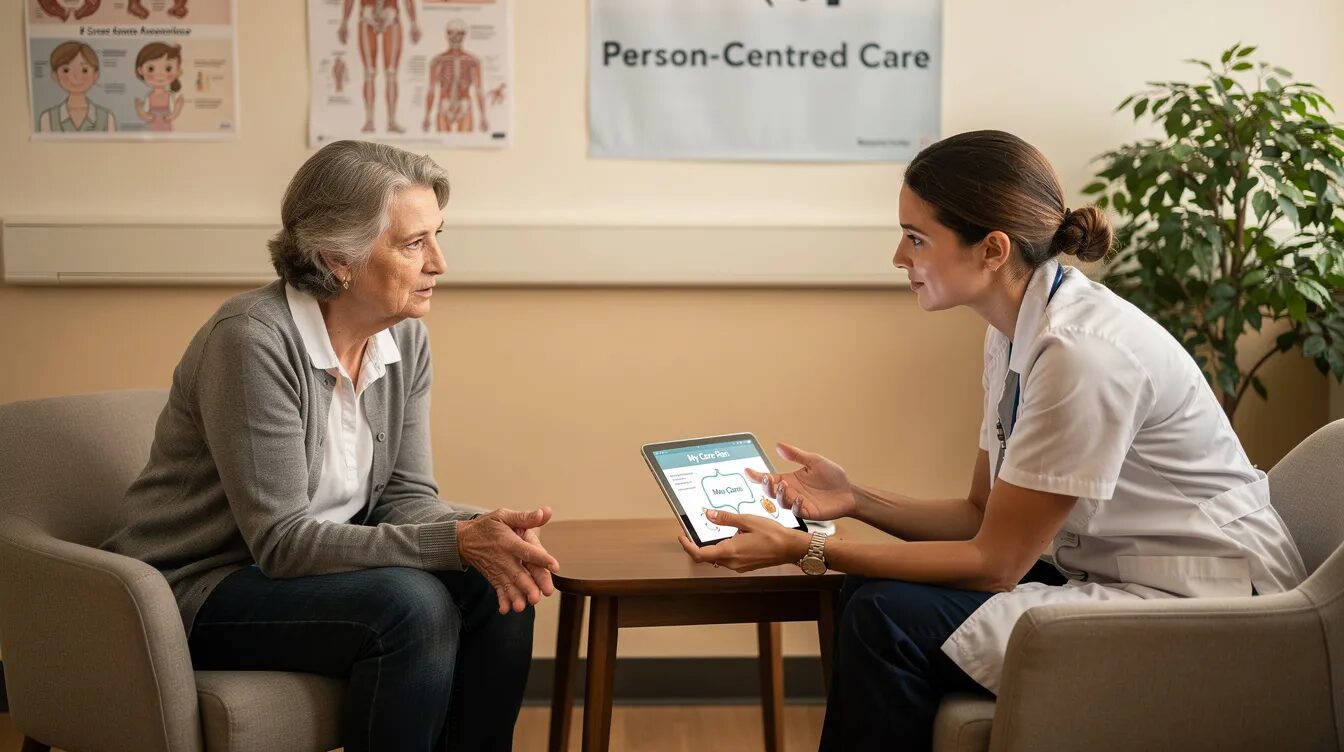
- Person centred care puts the person at the centre of care planning, decision-making, care delivery, and quality improvement.
- It helps NDIS participants take an active role in their own care.
- It supports better communication between families, carers, health professionals, care staff, and care providers.
- It can improve quality care, client experience, safety, staff morale, and health outcomes.
- It helps healthcare organisations reduce avoidable costs by improving communication, coordination, documentation, and planning.
- A strong person centred approach should include personalised care plans, shared decision-making, health literacy, feedback systems, staff training, and regular reviews.
What Does Person Centred Care Mean?
Person centred care means the person is treated with dignity, compassion, and respect, and their preferences, goals, values, beliefs, strengths, and support needs are placed at the centre of care delivery.
The Health Foundation explains that person centred care supports people to develop the knowledge, skills, and confidence they need to manage and make informed decisions about their own health and health care. It also describes person centred care as care that is coordinated, tailored to the individual, and delivered with dignity, compassion, and respect.
In simple terms, person centred care asks:
“What matters to this person, and how can we support that well?”
That question changes the nature of health care. It moves the focus away from “What service can we provide?” and towards “What support will help this person live the life they want?”
For NDIS participants, this matters deeply. A person is not just a participant number, a care plan, a diagnosis, or a list of support needs. They are a whole person with their own life, interests, relationships, preferences, routines, beliefs, and goals.
Why Person Centred Care Matters For Families And Referrers
Families and referrers often want to know whether a healthcare service or support provider will truly listen.
They may ask:
- Will the participant be respected?
- Will their choices be heard?
- Will their care plan reflect their real life?
- Will care staff understand their communication needs?
- Will families and carers be involved appropriately?
- Will support be flexible when needs change?
- Will all the information be recorded clearly?
- Will care providers work together properly?
Person centred care helps answer these questions. It gives families and referrers a practical framework for identifying good practice, quality care, and safe support.
For NDIS participants, this approach supports choice, control, independence, safety, dignity, and participation in community life. It also helps ensure that support reflects the person’s culture, communication style, routines, interests, and goals.
Why It Matters In Community Health Services
Community health services work best when care is practical, respectful, and connected to everyday life.
A person centred approach helps health professionals, support coordinators, care staff, families, carers, and social services understand the person beyond a diagnosis or referral form.
Traditional care often focuses on:
- Medical diagnoses
- Symptoms
- Physical deficits
- Treatment tasks
- Risk management
- Service availability
Person centred care looks at the whole person, including:
- Physical wellbeing
- Emotional wellbeing
- Social wellbeing
- Cultural identity
- Spiritual beliefs
- Communication needs
- Family relationships
- Daily routines
- Personal goals
- Community connection
- Independence
- Quality of life
This is particularly important for people with disability, complex needs, psychosocial disability, dementia support needs, chronic health conditions, or communication barriers.
Person Centred Care Vs Traditional Care
| Traditional Care | Person Centred Care |
|---|---|
| Focuses mainly on diagnosis, symptoms, treatment, or physical deficits | Focuses on the whole person |
| Health professionals may make most decisions | The person is supported to make informed decisions |
| Care may be standardised | Care is personalised |
| Families may be updated later | Families and carers are involved when consent is given |
| Communication can be clinical or task-based | Communication is clear, respectful, and collaborative |
| Success may be measured by task completion | Success is measured by meaningful outcomes |
| The person may feel passive | The person is encouraged to take an active role |
| The shift from traditional models to person centred care is a fundamental change in how health services, healthcare organisations, and social services are organised and delivered. |
It recognises that people are not just patients, participants, clients, or cases. They are people with values, preferences, histories, strengths, relationships, and hopes for the future.
Why A Person Centred Approach Improves Health Care Delivery

1. It Leads To Better Outcomes For Clients
A person centred approach improves health care delivery because it helps care providers understand what the person actually needs, wants, values, and understands.
Better outcomes may include:
- Greater trust between clients and care providers
- Improved confidence and independence
- Better health literacy
- Safer personal care routines
- Stronger engagement with services
- Reduced distress
- Improved communication with families and carers
- More consistent care delivery
- Better participation in community life
- More meaningful progress towards goals
The Australian Commission on Safety and Quality in Health Care explains that partnering with consumers involves dignity, respect, information sharing, participation, and collaboration. It also notes that working in partnership with consumers and fostering person centred approaches can help improve safety and quality of care.
When people are involved in their own care, they are more likely to understand their options, ask questions, and participate in decisions that affect their health, support, and daily life. This is why health care professionals plays a vital role in NDIS support.
2. It Supports Informed Decisions
People make better decisions when they understand their options particularly those one who gets agood support from their NDIS support service provider.
Shared decision-making brings together the person’s values, goals, and preferences with the best available evidence about treatment, benefits, risks, and uncertainties. The Australian Commission on Safety and Quality in Health Care explains that shared decision-making can improve satisfaction with care and lead to better-quality decisions.
For NDIS participants, informed decisions may relate to:
- Choosing care providers
- Selecting support times
- Reviewing goals
- Deciding who attends meetings
- Understanding risks
- Choosing community activities
- Planning personal care
- Updating a care plan in health foundation
- Giving or withdrawing consent
- Changing support arrangements
Person centred care does not mean the person must make every decision alone. It means they are supported to understand, participate, and lead decisions as much as possible.
3. It Can Reduce Avoidable Costs For Healthcare Organisations

Person centred care can reduce avoidable costs by improving communication, coordination, early intervention, and care planning.
For a healthcare organisation, poor communication can lead to:
- Repeated assessments
- Missed information
- Preventable incidents
- Duplicated care delivery tasks
- Staff confusion
- Delayed referrals
- Complaints
- Avoidable hospital presentations
- Lower client satisfaction
- Lower staff morale
When all the information is recorded properly and shared safely, care becomes more efficient and more consistent.
Person centred care also supports quality improvement because healthcare organisations can track outcomes, client feedback, care plan reviews, and service gaps more clearly.
4. It Improves Staff Morale And Retention
Staff wellbeing is crucial. High quality care cannot be provided by staff who do not feel supported themselves.
When care staff are trained, supervised, and supported to deliver person centred care, they are more likely to feel confident and connected to the purpose of their work.
Person centred systems can support:
- Higher job satisfaction
- Better communication between teams
- Reduced emotional exhaustion
- Lower burnout risk
- Stronger team culture
- Better role clarity
- More meaningful relationships with clients
- Better quality care
Supportive leadership is essential for embedding person centred principles into a healthcare organisation’s mission, culture, systems, and daily operations.
Core Principles For Healthcare Organisations Adopting Person Centred Care
Principle 1: Personalised Care Comes First
Personalised care is the heart of person centred care.
This means support should be tailored to:
- The person’s goals
- The person’s preferences
- The person’s individual needs
- The person’s communication style
- The person’s culture and beliefs
- The person’s daily routine
- The person’s strengths and abilities
- The person’s risks and safety needs
- The person’s support network
- The person’s chosen level of family involvement
A care plan should never feel like a generic template with a name added at the top. It should reflect the real person.
Personalised care also recognises that what works for one person may not work for another. Two people may have the same diagnosis or similar support needs, but their goals, communication styles, home environments, families, interests, and preferences may be completely different.
Principle 2: The Person Takes An Active Role
A person centred approach encourages each person to take an active role in their own care.
This may include:
- Choosing goals
- Making decisions about support
- Reviewing their care plan
- Asking questions
- Giving feedback
- Choosing who is involved
- Sharing what works and what does not
- Building skills
- Increasing independence
- Managing parts of their own care where possible
The aim is not to make people do everything alone. The aim is to support choice, confidence, independence, dignity, and control.
For some people, taking an active role may mean leading every meeting. For others, it may mean using visual prompts, supported decision-making, family support, advocacy, or extra time to process information, often with guidance from NDIS support coordinators.
Principle 3: Dignity, Compassion, And Respect Must Be Visible
Person centred care means treating people with dignity, compassion, and respect.
This should be visible in everyday care delivery.
Care staff should:
- Use the person’s preferred name
- Ask before providing personal care
- Explain what they are doing
- Respect privacy
- Listen without rushing
- Support the person to feel physically comfortable
- Avoid making assumptions
- Respect culture, beliefs, and preferences
- Encourage independence where possible
- Speak with warmth and patience
The NDIS Practice Standards state that participants should access supports that promote, uphold, and respect their legal and human rights, and that participants should be enabled to exercise informed choice and control.
This matters because dignity is not only about formal rights. It is also about the small, everyday moments of care. It is how staff speak, listen, explain, support, and respond.
Principle 4: Good Communication Is Non-Negotiable
Good communication is one of the most important systems in person centred care.
It helps build:
- Trust
- Safety
- Mutual respect
- Understanding
- Consistency
- Better care delivery
- Stronger relationships
- Better outcomes
Good communication should be:
- Clear
- Respectful
- Consistent
- Plain-language
- Accessible
- Culturally appropriate
- Documented properly
- Shared with the right people, with consent
Poor communication can make people feel confused, dismissed, unsafe, or uninvolved. It can also lead to errors, repeated questions, missed information, and frustration for families and carers.
Principle 5: Health Literacy Should Be Measurable
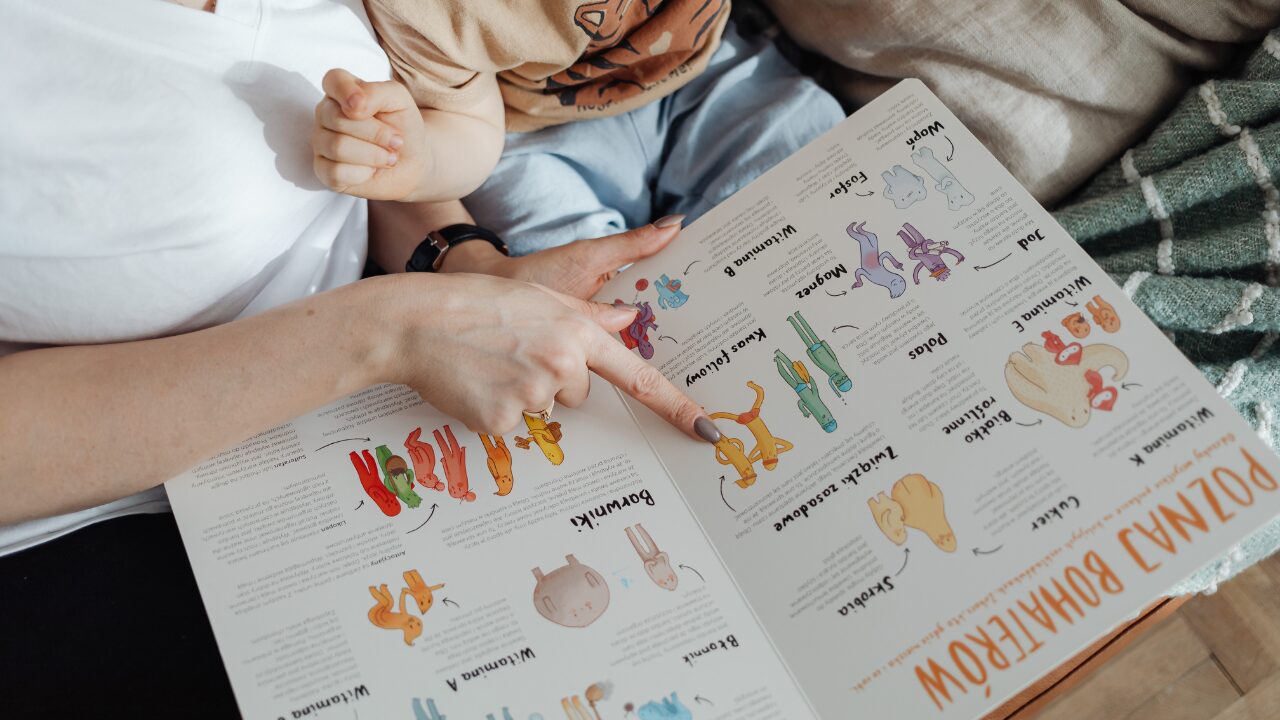
Health literacy means a person can access, understand, and use information to make informed decisions about their health, support, treatment, and care.
A healthcare service can improve health literacy by:
- Using plain language
- Avoiding jargon
- Providing translated materials where needed
- Offering Easy Read resources
- Using visual tools
- Checking understanding
- Giving people time to ask questions
- Recording communication needs in the care plan
- Training staff in plain-language communication techniques
Health literacy should not be left to chance. It should be a measurable objective in every healthcare organisation that wants to deliver person centred care.
Health Literacy Checklist
Before giving important information to a participant or family, ask:
- Is the information written in plain language?
- Is it available in different languages if needed?
- Is there an Easy Read version?
- Has the person had time to ask questions?
- Has staff checked understanding?
- Is the person’s preferred communication method recorded?
- Has consent been explained clearly?
- Are the next steps easy to follow?
- Does the person know who to contact for help?
- Has all the information been documented clearly?
This checklist helps make sure people are not just given information, but are supported to understand and use it.
Practical Steps To Implement Person Centred Care In Your Healthcare Service
Step 1: Map Existing Care Delivery Processes
Start by reviewing how care currently works.
Map the full journey from:
- Initial enquiry
- Referral
- Intake
- Consent
- Assessment
- Care planning
- Staff allocation
- Service delivery
- Reviews
- Feedback
- Complaints
- Exit or transition planning
Then ask:
- Where is the person’s voice recorded?
- Where are family preferences captured?
- How is consent documented?
- How are communication needs shared?
- How often is the care plan reviewed?
- Who checks whether the care plan is still relevant?
- Where could important information be missed?
- How do staff know what matters to the person?
- How does the service measure quality care?
This process helps a healthcare organisation find the gap between policy and practice.
Step 2: Co-Design Care Plans With Clients And Families
A care plan should be developed with the person, not simply written for them.
When consent is given, families, carers, advocates, and trusted people should also be involved.
Co-design means the person’s lived experience is treated as expertise. The person knows their own life, routines, preferences, and needs in a way no external service can fully understand without listening.
Care Plan Co-Design Questions
Ask the person:
- What matters most to you right now?
- What does a good day look like?
- What support helps you feel safe?
- What makes support difficult?
- Do you need a care home?
- Who do you want involved in decisions?
- How do you prefer staff to communicate with you?
- What are your goals?
- What would you like to do more independently?
- What should care staff know about your routine?
- What cultural, religious, or personal beliefs should be respected?
- What helps you feel physically comfortable?
- What has not worked well in the past?
These questions turn care planning into a conversation, not a form-filling exercise.
Step 3: Train Care Staff In Shared Decision-Making
Shared decision-making creates a collaborative partnership between the person and their care providers.
Care staff should be trained to:
- Explain options clearly
- Discuss risks and benefits
- Use plain language
- Invite questions
- Check understanding
- Respect the person’s preferences
- Record decisions clearly
- Support families and carers appropriately
- Recognise when advocacy may be needed
- Understand consent and capacity
- Avoid pushing one “preferred” option without discussion
Example Of Shared Decision-Making In Practice
Instead of saying:
“This is the support plan we have prepared for you.”
Say:
“Here are the options we can explore. Let’s talk about what works best for your goals, routine, safety, and preferences.”
This small shift changes the relationship. The person becomes a partner, not a passive receiver of care.
Step 4: Create Simple Policies That Support Personalised Care
Person centred care needs simple, practical policies.
Policies should explain how the healthcare service will:
- Record client preferences
- Review care plans
- Support informed decisions
- Manage consent
- Involve families and carers
- Use interpreters
- Protect privacy
- Respond to feedback
- Support dignity and respect
- Provide culturally safe care
- Train care staff
- Monitor quality improvement
Policies should be short enough for staff to understand and practical enough for daily use.
A policy that no one reads will not improve care delivery. A simple checklist that staff use every day often has more impact.
Step 5: Build A Feedback Loop
Person centred care improves through feedback.
Clients, families, referrers, carers, and staff should have clear ways to share what is working and what needs to change.
Feedback should be:
- Easy to give
- Welcomed without defensiveness
- Recorded consistently
- Reviewed regularly
- Linked to action
- Used for quality improvement
- Shared with teams where appropriate
- Monitored by leadership
Quarterly feedback is a practical starting point. Monthly review of key trends is even better for larger services.
Feedback should not sit quietly in a folder. It should contribute to better systems, better communication, better training, and better care.
Person-Centred Care Implementation Checklist
Use this checklist to help a healthcare organisation or healthcare service improve person centred practice.
Care Delivery Checklist
- Audit current patient information flows
- Review how referrals are received
- Check how consent is recorded
- Standardise care plan templates
- Record client goals and preferences clearly
- Document communication needs
- Identify family and carer involvement
- Assign a staff lead for implementation
- Schedule regular training sessions for care staff
- Collect client feedback every quarter
- Review care plans after major changes
- Track measurable outcomes
- Report quality improvement actions monthly
- Review staff morale and support needs
- Check whether the person feels involved
Documentation Checklist
Every person centred care plan should include:
- Participant name and preferred name
- Goals
- Strengths
- Preferences
- Communication needs
- Health literacy needs
- Personal care requirements
- Cultural considerations
- Beliefs and values
- Daily routine
- Safety risks
- Support strategies
- Family and carer contacts
- Consent details
- Health professionals involved
- Services involved
- Review dates
- Measurable outcomes
- Feedback notes
Clear documentation helps care providers deliver consistent support. It also helps families and referrers understand what is being done, why it is being done, and how progress will be reviewed.
Staff Training Checklist

Care staff should receive training in:
- Person centred care principles
- Shared decision-making
- Plain-language communication
- Health literacy
- Supported decision-making
- Consent and capacity
- Cultural safety
- Trauma-informed practice
- Documentation standards
- Privacy and dignity
- Quality improvement
- Client feedback processes
- Working with families and carers
- Communicating with people in distress
Training should be regular and practical and plays a vital importance in self care. Care staff need real examples, simple tools, and supportive leadership to turn person centred care from an idea into daily practice, which can be reinforced through Re.Connect’s support and NDIS blog resources.
Designing Personalised Care Plans And Care Delivery Pathways
What Should A Personalised Care Plan Include?
A personalised care plan should clearly explain what support the person needs, how they want that support delivered, and what outcomes the support should achieve.
Personalised Care Plan Template
| Section | What To Include |
|---|---|
| About the person | Preferred name, identity, interests, strengths, values |
| Goals | Short-term and long-term goals |
| Preferences | Daily routines, likes, dislikes, support preferences |
| Communication | Language, communication style, tools, accessibility needs |
| Health information | Key health needs, treatment information, relevant professionals |
| Personal care | Assistance required, privacy preferences, safety notes |
| Family and carers | Who is involved and what consent is in place |
| Risks | Known risks and agreed support strategies |
| Outcomes | Measurable progress indicators |
| Reviews | Review dates and responsible staff |
| A care plan should be easy for the person, families, carers, and care staff to understand. It should not be written only for compliance. It should be useful in real life and align clearly with NDIS core supports for daily living and participation. |
Care Delivery Pathway Example
A simple person centred care delivery pathway may look like this:
- Referral received
Gather basic information and identify urgency. - Consent confirmed
Explain information sharing, privacy, and the person’s rights. - Initial conversation completed
Ask about goals, preferences, support needs, communication, and family involvement. - Care plan co-designed
Develop the plan with the person and relevant supports. - Staff matched and briefed
Choose care staff based on skills, availability, compatibility, and client preferences. - Support begins
Deliver care according to the plan. - Feedback collected
Ask what is working and what needs to change. - Care plan reviewed
Update goals, risks, preferences, outcomes, and staff instructions.
A pathway like this helps care staff understand their role while keeping the person at the centre.
Schedule Multidisciplinary Reviews For Complex Cases
Complex support needs may involve several health and social services, making effective NDIS support coordination services critical for keeping care joined up.
A multidisciplinary review may include:
- NDIS participant
- Family members
- Carers
- Support coordinator
- Care staff
- Occupational therapist
- Psychologist
- GP
- Nurse
- Behaviour support practitioner
- Allied health professionals
- Social workers
- Advocates
- Community health services
These reviews help make sure all the information is shared appropriately and care delivery remains coordinated, similar to how support coordination can streamline daily living and services.
They also reduce the risk of fragmented care, where each professional works separately without seeing the full picture.
Document Measurable Outcomes For Each Care Plan
Every care plan should include measurable outcomes.
Examples include:
- Attending one community activity each week
- Learning a daily living skill
- Reducing distress during transitions
- Improving appointment attendance
- Increasing confidence with public transport
- Building a safer personal care routine
- Improving communication between family and care staff
- Increasing independence with meal preparation
- Reducing missed support appointments
- Building confidence in making decisions
Outcomes should be meaningful to the person, not only convenient for the healthcare service.
A strong care plan connects support to the person’s real life. It shows whether the care being delivered is helping the person move towards what matters most to them.
Building Health Literacy And Good Communication Across Teams
Why Communication Matters In Person Centred Care
Effective communication is essential for building trust and establishing mutual respect between healthcare providers, patients, participants, families, and carers.
It also helps reduce:
- Confusion
- Anxiety
- Repeated questions
- Missed appointments
- Unsafe care
- Complaints
- Misunderstandings between teams
- Poor documentation
- Family frustration
- Staff uncertainty
Good communication is especially important for people who use different languages, have communication disability, experience anxiety, have psychosocial disability, or need extra time to understand information, particularly within comprehensive mental health care and recovery supports.
Good Communication Techniques For Care Staff
Care staff should be encouraged to:
- Use the person’s preferred name
- Speak calmly and respectfully
- Explain one idea at a time
- Avoid clinical jargon
- Ask open questions
- Give people time to respond
- Check understanding
- Use visual prompts if helpful
- Record important updates
- Avoid rushing personal care
- Respect privacy and dignity
- Ask what helps the person feel safe
- Confirm consent before sharing information
Good communication is not only about being polite. It is a safety tool, a trust-building tool, and a quality improvement tool.
Warm Communication Vs Task-Based Communication
| Warm, Person Centred Communication | Task-Based Communication |
|---|---|
| “How are you feeling today?” | “I’m here to do your care.” |
| “Would you like help now or in ten minutes?” | “We need to get this done now.” |
| “Can I explain what I’m doing first?” | “This is just the process.” |
| “What would make this easier for you?” | “That is not part of the routine.” |
| “Let’s check your care plan together.” | “That’s what the file says.” |
| Communication styles in care can vary widely. Some staff naturally use a warm and engaging approach, while others may focus mainly on task completion. That difference can strongly affect the person’s experience of care. |
Warm, meaningful communication can be particularly reassuring for people with dementia, trauma history, distress, anxiety, or communication difficulties.
Provide Information In Different Languages
A person centred healthcare service should provide information in different languages when needed.
This may include:
- Translated documents
- Interpreter support
- Easy Read materials
- Visual guides
- Audio formats
- Communication boards
- Family-supported communication, when appropriate and consented
- Plain-language summaries
- Culturally appropriate examples
The goal is simple: people should understand the information that affects their life, health, support, and care.
If a person cannot understand the information provided, they cannot fully participate in decisions. That is why accessibility and health literacy are essential parts of person centred care, especially for people facing complex challenges such as homelessness and related support needs.
Working With Regulatory Bodies And Measuring Quality
Align Care Plans With Relevant Standards
Healthcare organisations and NDIS account providers should align person centred care with relevant regulatory bodies and quality standards.
For NDIS services, this includes the NDIS Practice Standards. The NDIS Quality and Safeguards Commission includes person-centred supports, informed choice and control, privacy, dignity, independence, and respect for individual values and beliefs in its rights and responsibilities module.
For broader health services, the Australian Commission’s Partnering with Consumers work is also relevant. It focuses on dignity, respect, information sharing, participation, collaboration, and improving safety and quality through person centred approaches, which aligns closely with Re.Connect’s tailored mental health support for NDIS participants.
Monthly Quality Indicators To Track
Track key performance indicators monthly to understand whether person centred care is happening in practice.
| KPI | Why It Matters |
|---|---|
| Care plan review completion rate | Shows whether plans are current |
| Client feedback scores | Shows whether people feel heard |
| Complaint themes | Identifies recurring service gaps |
| Incident trends | Supports safety improvement |
| Staff training completion | Shows workforce readiness |
| Documentation audit results | Measures quality and consistency |
| Goal progress tracking | Shows whether support is effective |
| Family communication feedback | Measures trust and clarity |
| Health literacy checks | Shows whether information is understood |
| Staff wellbeing feedback | Shows whether staff feel supported |
| Quality improvement should not be vague. It should be measurable, reviewed, and connected to action. |
When services measure what matters, they can improve what matters.
Prepare Evidence Packs For Inspections
Evidence packs help show that person centred care is embedded into everyday practice.
Include:
- Care plan templates
- Completed care plan examples, de-identified
- Consent forms
- Feedback summaries
- Complaint response records
- Staff training records
- Quality improvement logs
- Policy documents
- Review meeting notes
- Client outcome reports
- Audit results
- Communication preference records
- Evidence of family involvement with consent
Good evidence should be concise, organised, and current.
The goal is not to create paperwork for the sake of paperwork. The goal is to show that care is safe, respectful, personalised, monitored, and improved over time, supported by healing and recovery-focused therapeutic services.
Using Digital Tools To Share All The Information And Coordinate Care
Why Digital Tools Matter
Digital tools can help healthcare services coordinate care, record updates, and share all the information safely.
A secure platform can help care staff access:
- Current care plans
- Consent details
- Risk alerts
- Communication preferences
- Family contacts
- Progress notes
- Incident reports
- Review dates
- Staff instructions
- Outcome tracking
- Health professional updates
This can reduce confusion and improve care delivery.
Digital Care Record Checklist
A digital care record should include:
- Secure login
- Role-based access controls
- Current care plan
- Audit trails
- Staff notes
- Consent records
- Document upload section
- Review reminders
- Client feedback records
- Family access options, where appropriate
- Privacy safeguards
- Emergency information
- Version history
- Alerts for overdue reviews
Digital systems are especially helpful when multiple care providers, care staff, health professionals, families, and carers are involved, particularly when coordinating community connection and participation supports.
Keep Digital Systems Person Centred
Technology should support care. It should not replace human connection.
A digital platform can store all the information, but person centred care still depends on:
- Listening
- Respect
- Trust
- Good communication
- Personalised support
- Clear decisions
- Human warmth
- Careful observation
- Staff judgement
- Regular review
The best systems make it easier for care staff to see the person, not just the record, reinforcing approaches that focus on empowering individuals through tailored support and housing.
Case Studies, Testimonials, And Social Proof For Healthcare Service Pages
Why Social Proof Matters
Families and referrers want to know that a healthcare service can provide safe, respectful, and high quality care.
Social proof helps build trust through real examples.
Useful forms of social proof include:
- Short case studies
- Family testimonials
- Staff reflections
- Client outcome summaries
- Video testimonials
- Service reviews
- De-identified success stories
- Before-and-after support journeys
- Referrer feedback
Social proof should always protect privacy. Where a client story is used, consent should be clear and documented, especially when sharing NDIS mental health recovery and community participation journeys.
Case Study Template
Client Goal
Briefly explain what the participant wanted to achieve.
Support Challenge
Describe the barrier or difficulty.
Person Centred Approach
Explain how the care plan was co-designed.
Services Involved
List the care providers, support workers, health professionals, or family supports involved.
Outcome
Describe the measurable result.
Example Case Study
Goal: A participant wanted to feel more confident attending community activities.
Challenge: They experienced anxiety in unfamiliar environments and needed consistent communication from care staff.
Person centred approach: The care team created a personalised care plan that included preferred communication methods, gradual exposure to new places, family input, and regular reviews.
Outcome: The participant began attending a weekly community activity with reduced distress and increased confidence.
This type of example helps families and referrers understand what person centred care looks like in real life.
Resources And Training For Care Staff And Healthcare Organisations
Recommended Training Areas
Care staff and healthcare organisations should invest in training that supports person centred practice.
Recommended areas include:
- Person centred care principles
- Co-production
- Motivational interviewing
- Health literacy
- Shared decision-making
- Supported decision-making
- Trauma-informed care
- Cultural safety
- Communication skills
- Consent and capacity
- Documentation
- Quality improvement
- Client feedback processes
- Working with families and carers
- Managing distress
- Respectful personal care
Training should be ongoing. One workshop is not enough to change practice across a healthcare organisation, particularly when delivering personalised aged care, mental health, and disability supports.
Useful Resource Types
Healthcare organisations can create or link to:
- Care plan templates
- Feedback forms
- Client rights resources
- Easy Read guides
- Staff training videos
- Webinars
- Downloadable checklists
- Policy templates
- Communication tools
- Quality audit forms
- Consent templates
- Family meeting templates
- Goal review forms
The Australian Commission on Safety and Quality in Health Care provides person centred care resources, including webinar content for health service managers, clinicians, patient experience managers, consumer engagement staff, academics, consumers, and consumer representatives.
External Resources And Further Reading
For families, referrers, care staff, and healthcare organisations wanting to learn more about person centred care, these trusted external resources are helpful starting points.
Person Centred Care Guidance
- The Health Foundation: Person-Centred Care Made Simple
A clear overview of person centred care, including dignity, compassion, respect, coordination, and informed decision-making. - The Health Foundation: Person-Centred Care Topic Hub
A useful resource hub exploring evidence, learning, service pressures, innovation, and policy related to person centred care. - Australian Commission: Person-Centred Care
A practical resource hub for health service managers, clinicians, patient experience teams, consumers, and consumer representatives.
NDIS Standards And Participant Rights
- NDIS Quality and Safeguards Commission: Rights and Responsibilities
This page explains person-centred supports, informed choice and control, privacy, dignity, independence, and respect for participant values and beliefs. - NDIS: Supported Decision-Making Policy
This policy explains supported decision-making as the process of supporting people to make decisions and remain in control of their lives.
Consumer Partnership And Shared Decision-Making
- Australian Commission: Partnering With Consumers
A practical page on dignity, respect, information sharing, participation, collaboration, and improving safety and quality through consumer partnerships. - Australian Commission: Shared Decision-Making
A useful resource for understanding how health professionals and patients can make decisions together using evidence, options, risks, benefits, and personal preferences.
FAQ Section: Person Centred Care For NDIS Participants
What Is Person Centred Care?
Person centred care is an approach that treats the person as an equal partner in planning, developing, delivering, and reviewing their care, while respecting their needs, preferences, values, strengths, and goals.
What Does Person Centred Mean?
Person centred means the person is placed at the centre of planning, decisions, communication, support, and care delivery.
Why Is Person Centred Care Important For NDIS Participants?
It helps NDIS participants have more choice, control, independence, safety, confidence, and involvement in their own care.
What Is A Person Centred Care Plan?
A person centred care plan is a document that records the person’s goals, preferences, support needs, risks, communication style, health literacy needs, and measurable outcomes.
Who Should Be Involved In Personalised Care Planning?
The participant should lead the process where possible. Families, carers, advocates, health professionals, and care providers may be involved when the person gives consent.
How Does Person Centred Care Improve Health Outcomes?
It improves outcomes by making care more relevant, coordinated, respectful, and easier for the person to understand and follow.
What Is Shared Decision-Making?
Shared decision-making is a collaborative process where the person and their care providers discuss options, risks, benefits, preferences, and goals before making decisions.
How Does Health Literacy Support Person Centred Care?
Health literacy helps people understand information, ask questions, make informed decisions, and take an active role in their own care.
What Is The Difference Between Person Centred Care And Personal Care?
Person centred care is an overall approach to planning and delivering support. Personal care refers to practical assistance with daily tasks such as showering, dressing, grooming, or hygiene.
How Can Families Know If A Provider Is Person Centred?
Look for clear communication, personalised care plans, respectful staff, regular reviews, family involvement with consent, and evidence that the person’s preferences shape support.
Person Centred Support With Re.Connect Support Services
Support Across Local Service Areas
Re.Connect Support Services provides practical, personalised care and support across local communities, with services designed to help people maintain independence and improve quality of life.
Re.Connect’s person centred NDIS support services service areas include:
- Tasmania
- Adelaide
- Melbourne
- New South Wales
- Queensland
Person centred care can be delivered in people’s homes through tailored in-home care and daily living supports.
For families and referrers, local knowledge matters. Person centred care works best when support understands the person’s community, nearby services, transport options, family network, health professionals, and daily environment.
Book A Free Consultation
If you are an NDIS participant, family member, carer, or referrer looking for person centred support, Re.Connect Support Services can help you explore practical options, including specialist NDIS support coordination services.
You can contact Re.Connect Support Services through their contact page or visit the Re.Connect Support Services website to learn more.
Contact Re.Connect Support Services
- Phone: 1-300-001-109
- Address: 355 Wellington St, South Launceston, TAS 7249
- Email: marketing.s@reconnectss.com.au
- Service areas: Tasmania, Adelaide, Melbourne, New South Wales, and Queensland
- Hours: Monday to Friday, 9AM to 5PM. Weekends closed.
Re.Connect also invests in a diverse, skilled workforce through its disability support worker employment opportunities.
- Support focus: Support coordination, in-home care, supported independent living and housing support, community access, therapeutic services, disability services, youth homelessness support, and family support services.
Final Thoughts
Person centred care is a practical, respectful, and evidence-informed approach to health care, disability support, and social services. It treats each person as an equal partner in their care and ensures their goals, preferences, values, beliefs, and individual needs guide the care plan.
For NDIS participants, person centred care supports choice, control, independence, safety, and quality of life. For families and referrers, it provides confidence that support is coordinated, respectful, and built around the person. For health professionals and care staff, it creates clearer communication, stronger relationships, and more meaningful work. For every healthcare organisation, it supports quality improvement, better systems, safer care, and stronger outcomes.
The best person centred care does not begin with a form. It begins with listening – and the world needs more of it.
And the most important question is simple:
“What matters to you, and how can we support that well?”