
Introduction to NDIS Domestic Assistance
NDIS domestic assistance plays a vital role in helping participants manage everyday household tasks safely and confidently. Funded through the National Disability Insurance Scheme, domestic assistance supports people whose disability affects their ability to maintain their home environment, complete daily routines, or live independently.
For many NDIS participants, domestic assistance is the foundation of independent living. Without the right support, routine household chores can quickly lead to physical strain, safety risks, and declining mental health.
This guide explains how NDIS domestic assistance services work, what is included, who is eligible, and how to access the right domestic assistance provider through your NDIS plan.
At Re.Connect Support Services, we help participants access NDIS funded domestic assistance that improves safety, wellbeing, and quality of life.
What Is NDIS Domestic Assistance?
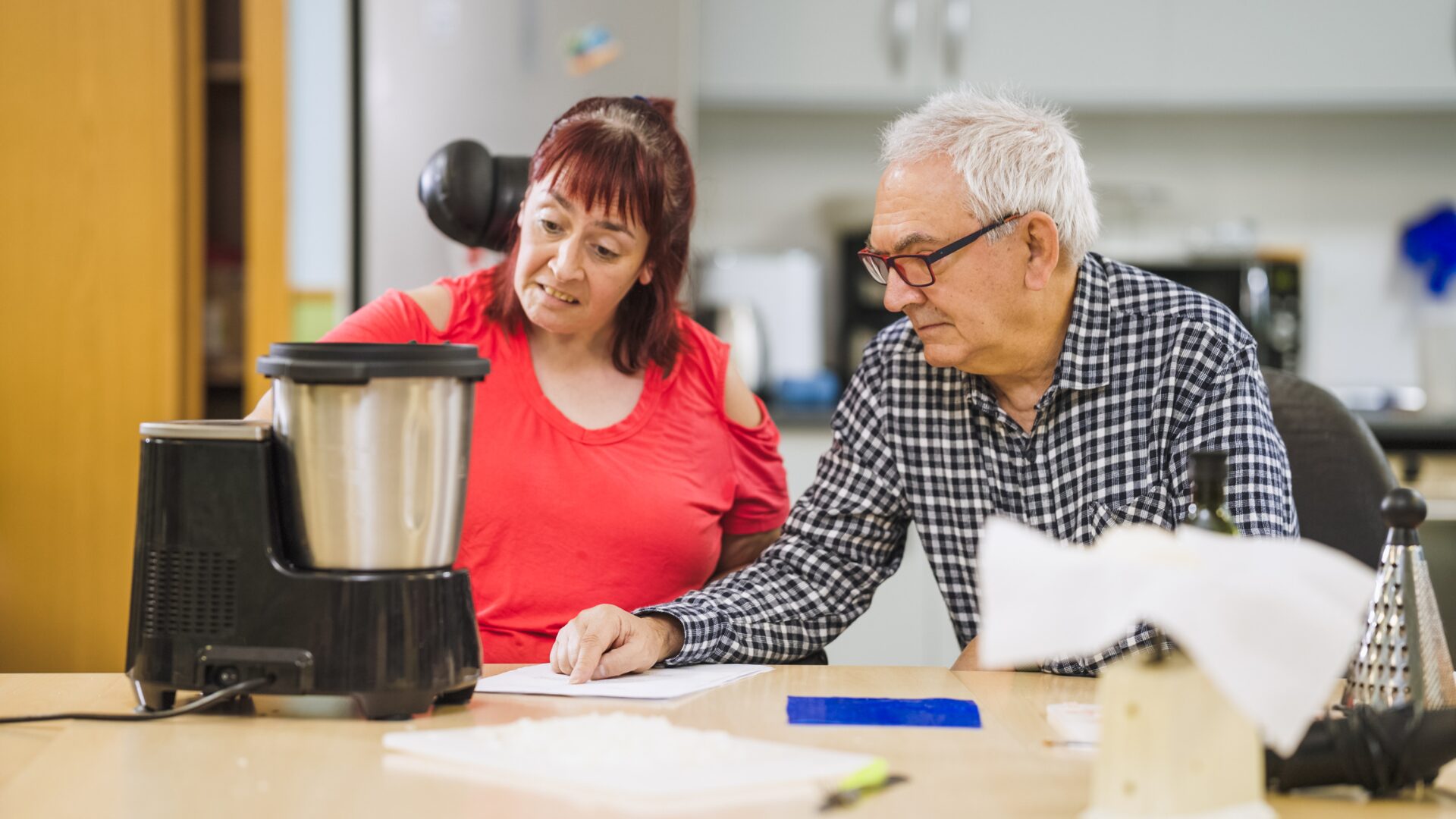
NDIS domestic assistance refers to funded domestic support that helps participants manage everyday household tasks they cannot complete independently due to disability.
This support is funded under Core Supports – Assistance With Daily Life and is designed to help participants:
- Live safely in their own home
- Maintain daily living routines
- Reduce injury and physical exhaustion
- Improve independence and wellbeing
Domestic assistance is not about convenience. It is about ensuring eligible participants can maintain dignity, safety, and independence in their day to day life.
Where Domestic Assistance Sits in the NDIS
Domestic assistance falls under Core Supports, specifically Assistance With Daily Life. This funding is flexible and designed to support daily tasks directly impacted by disability. These should be carried-in by NDIS Registered Support providers.
The NDIS assesses whether domestic support is:
- Reasonable and necessary
- Related to functional impact
- Aligned with participant goals
- Essential for daily living and personal care
More information from the NDIS:
assistance with daily lifehttps://www.ndis.gov.au/participants/using-your-plan/core-supports/assistance-daily-life
What’s Included in NDIS Domestic Support

Domestic assistance typically includes help with household tasks such as:
- General house cleaning
- Laundry and bed linen changes
- Hanging clothes and folding laundry
- Dishwashing and kitchen cleaning
- Light tidying and organising
- Meal preparation and preparing meals
- Assistance with daily routines
Meal preparation, including planning and cooking healthy meals, is included in the household tasks supported by the NDIS.
Changing bed linen is a task that NDIS support workers can assist with to help maintain a comfortable living environment.
Outdoor tasks such as light gardening and path maintenance may be covered by NDIS funding if they improve safety and accessibility.
These services help participants manage their daily life safely and comfortably.
What Is Not Covered by Domestic Assistance?
NDIS support services domestic assistance usually does not cover or provide assistance for:
- Grocery shopping
- Household consumables
- Deep or commercial cleaning
- Gardening or lawn maintenance
Understanding exclusions helps prevent issues during a plan review. It helps access support to people who are in dire need of the Services.
Everyday Task Examples in Domestic Assistance

Meal Preparation and Cooking Meals for any family member
Domestic assistance may include:
- Preparing meals safely
- Basic cooking meals
- Following dietary needs
- Supporting daily nutrition
It does not usually include food purchases unless specifically justified.
Greater independence and dignity are achieved through domestic assistance, allowing participants to stay in their own homes longer. Domestic assistance enhances emotional and mental wellbeing by reducing feelings of being overwhelmed and fostering a sense of pride in one’s home.
Accessing domestic assistance helps improve health and hygiene by maintaining a clean and safe environment.
Laundry and Linen Support
Support workers may assist with such tasks:
- Washing and drying clothes
- Folding and storing items
- Changing bed linen
- Maintaining hygiene
This reduces physical strain, especially for people with limited mobility.
Cleaning and Household Chores
Domestic support care plan includes:
- Vacuuming and mopping
- Cleaning bathrooms and kitchens
- Wiping benches
- Reducing trip hazards
A clean home improves safety and well being.
Who Is Eligible for NDIS Domestic Assistance?
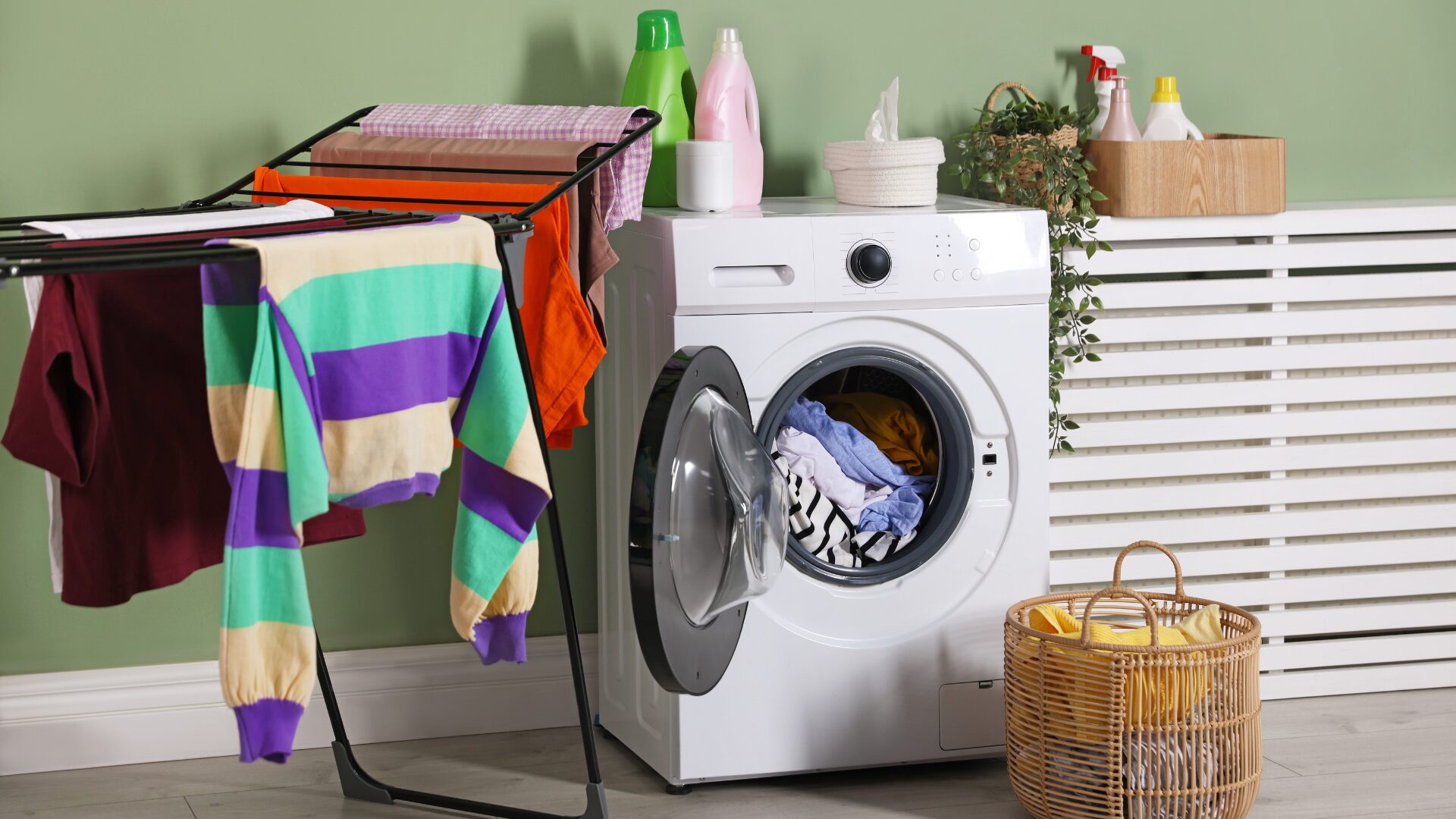
Eligibility depends on functional impact, not diagnosis alone.
Participants may qualify if disability affects their ability to:
- Perform everyday tasks
- Manage household chores
- Maintain a safe home
- Sustain daily living activities
The NDIS planner considers how disability affects day to day life. NDIS assists all qualified participants.
Linking Domestic Tasks to Disability Impact
When requesting domestic assistance, explain:
- What tasks you cannot manage
- Why you require assistance
- Safety risks without support
- Impact on health or independence
Clear examples strengthen funding decisions. This makes sure that the NDIS goals are met through continuing connection, proper community participation, and making sure that participants are reaching their specific needs through the agenc.
Supporting Evidence for Domestic Assistance
Useful evidence includes:
- Occupational therapy reports
- Functional assessments
- Medical documentation
- Support coordinator summaries
- Real-life examples
The stronger the evidence, the better the outcome.
How to Add Domestic Assistance to Your NDIS Plan
Step 1: Prepare a Needs List
List:
- Tasks needing support
- Frequency and duration
- Safety risks
- Impact on independence
Step 2: Raise Domestic Support at Your Planning Meeting
During your planning meeting:
- Request NDIS domestic assistance
- Link support to goals
- Explain how it supports daily living
Step 3: Request Specific Hours
Be clear about:
- Weekly support hours
- Types of assistance
- Scheduling preferences
Step 4: Include Supporting Reports
Attach any relevant assessments to support your request.
Choosing the Right Domestic Assistance Provider
You can choose a registered NDIS provider or unregistered provider depending on plan management.
A good provider should:
- Employ trained support workers
- Hold insurance and checks
- Offer consistency
- Provide clear service agreements
NDIS provider finder:
https://www.ndis.gov.au/participants/working-providers/find-registered-provider
Service Delivery and Scheduling
Participants have choice and control over:
- Visit times
- Support frequency
- Task focus
- Skill-building vs direct assistance
Support can change as needs evolve.
Building Independent Living Skills
Domestic assistance can also:
- Teach household skills
- Support independence
- Reduce long-term reliance
- Build confidence
This leads to greater independence over time.
Funding Rules and Core Supports Budget
What NDIS Funding Covers
- Support worker time
- Domestic assistance tasks
- Skill development
Eligible individuals must provide proof of a permanent disability that significantly impacts daily living. Participants must be aged between 9 and 65 years old and be Australian residents to access domestic assistance.
What Funding Does Not Cover
- Groceries
- Cleaning products
- Living expenses
Funding comes from the Core Supports budget. The NDIS assesses each person’s needs individually to determine eligibility for domestic assistance based on their functional capacity.
Plan Management Options

Domestic assistance can be funded through:
- Self-managed plans
- Plan-managed plans
- NDIA-managed plans
Accurate documentation supports future reviews.
Benefits of NDIS Domestic Assistance
Participants experience:
- Safer home environments
- Reduced carer stress
- Better physical and mental health
- Improved independence
- Stronger daily routines
Frequently Asked Questions
Is meal preparation covered?
Yes, basic meal preparation is commonly included.
Can I change my provider?
Yes, participants can change providers under their service agreement.
What helps during a plan review?
Support logs, reports, and clear examples.
Next Steps and Resources
- Track daily challenges
- Keep a task diary
- Speak with your support coordinator
- Review goals regularly
NDIS support coordination overview:
https://www.ndis.gov.au/participants/using-your-plan/who-can-help-start-your-plan/support-coordination
When choosing an NDIS provider, it is important to consider your specific needs and expectations. Experience and specialisation of the provider are important factors to consider when choosing an NDIS provider for domestic assistance.
Track records and reviews from other participants can help gauge the professionalism and commitment of a provider. It is essential to check if the provider is NDIS-registered to ensure reliability and quality of services.
How Re.Connect Support Services Can Help
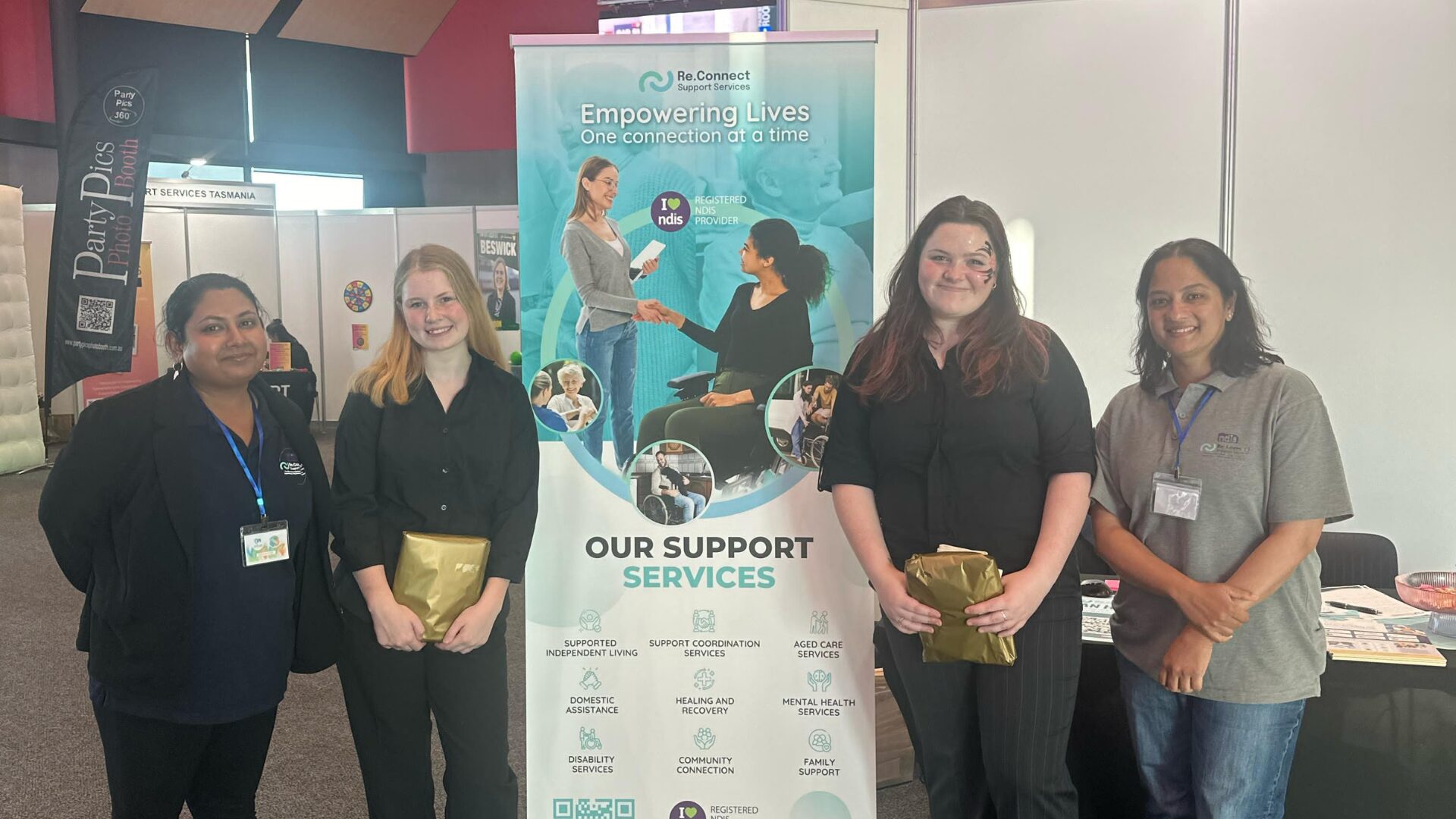
At Re.Connect Support Services, we:
- Help participants access NDIS domestic assistance
- Support planning and reviews
- Connect participants with quality providers
- Promote safety and independence
Transparency about pricing structure and services offered is important when choosing an NDIS provider, so that’s what we do here at Re.Connect Support Services!
Domestic assistance should help you live safely, maintain dignity, and feel supported in everyday life. We’re here to help you access the right support.