
Why this guide matters
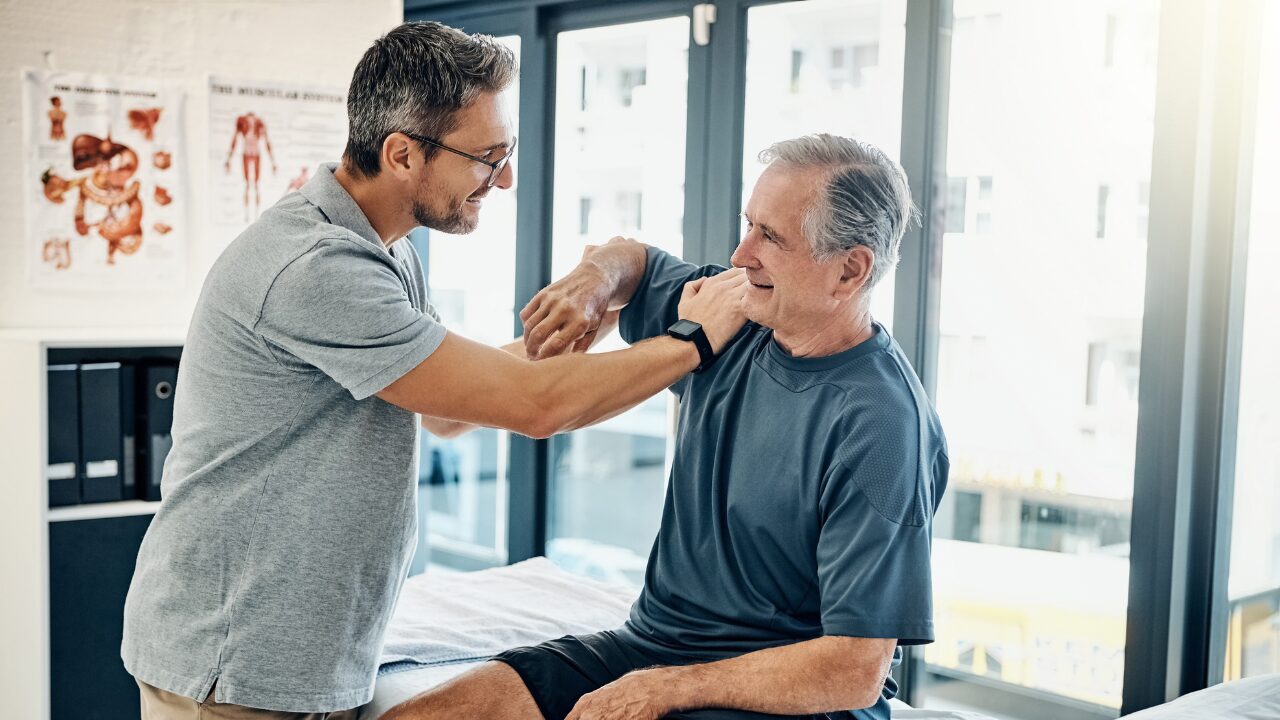
Healing and recovery support helps people affected by family violence, sexual violence, sexual abuse, child sexual abuse, and other forms of trauma rebuild safety, stability, and hope over time. At Re.Connect Support Services, this support is not only about immediate crisis response. It is about helping people access support, mental health services, referral pathways, community resources, and practical assistance that can support recovery in everyday life.
This guide is for survivors, victim survivors, family members, carers, parents, professionals, and support organisations who want clearer pathways to healing and recovery support. If you need personalised guidance, Re.Connect Support Services can help you access support and understand the next step in a safe, trauma informed way. (1800RESPECT)
Overview of healing and recovery support
Healing and recovery support includes practical, emotional, therapeutic, and community-based support for people affected by trauma. It can include family violence support, counselling, mental health services, referral pathways, peer groups, group sessions, and ongoing support that adapts over time.
At Re.Connect Support Services, healing and recovery support can involve helping people connect with mental health services, community programs, counselling, and other services that support long-term recovery. The National Plan to End Violence Against Women and Children 2022–2032 recognises that recovery and healing takes time, and that victim survivors may require life-long support through dedicated and tailored services and interventions. (Department of Social Services)
Who this guide helps

This guide can help:
- adults and young people
- children and a young person affected by abuse
- families, family members, and parents
- carers, friends, and supporters
- people affected by domestic, family, and sexual violence
- Indigenous and culturally diverse communities
- professionals and support organisations
It is also relevant for people affected by institutional child sexual abuse, including those exploring the National Redress Scheme, as well as people dealing with past institutional responses that caused further harm. (National Redress Scheme)
Types of harm and complex trauma
Complex trauma can happen when a person experiences repeated or long-term trauma, especially in relationships or environments where safety should have existed. This can include family violence, sexual assault, sexual violence, child sexual abuse, and institutional child sexual abuse.
The impact of trauma can affect mental health, emotional regulation, physical health, relationships, development, and daily functioning, and some people may benefit from NDIS-registered support services that foster independence and meaningful daily living. The Royal Commission into Institutional Responses to Child Sexual Abuse found that the effects of child sexual abuse can extend across survivors’ lives and also affect family and community wellbeing. (Royal Commission archive)
Mental health impacts are especially significant. One key figure often cited in child sexual abuse research is that 94.9% of survivors of child sexual abuse reported experiencing mental health impacts. Family violence is also strongly linked to mental ill health. Research cited in Australian policy discussions has shown that 66.7% of women and 36.4% of men who experienced family violence were diagnosed with depression or anxiety, compared with lower rates among those who did not experience such violence. (AIHW)
At Re.Connect Support Services, recognising complex trauma means understanding that healing is not linear and that people affected by abuse may need flexible, respectful, and ongoing support.
Immediate safety and crisis support services
If there is immediate danger, call 000.
For urgent support related to domestic, family, or sexual violence, these services are important:
- 1800RESPECT for 24/7 counselling and online chat: 1800respect.org.au
- Lifeline for 24/7 crisis support: lifeline.org.au
- 13YARN for Aboriginal and Torres Strait Islander crisis support: 13yarn.org.au
If a person needs help understanding reporting options, sexual assault services and family violence support services can provide guidance about police, reporting crimes, and safety planning. Re.Connect Support Services can also help people navigate support after the immediate crisis has passed. (1800RESPECT sexual violence support)
Long-term recovery pillars
Long-term recovery usually needs more than crisis intervention. The Royal Commission into Victoria’s Mental Health System acknowledged family violence as a driver of mental ill health and highlighted the need for a redesigned mental health system that better supports victim survivors. The Royal Commission also identified three key pillars of recovery for victim survivors:
- secure and affordable housing
- financial security
- health and wellbeing
These pillars matter because people cannot focus fully on healing when they are still unsafe, financially unstable, or disconnected from care. Victim survivors often report feeling prematurely disconnected from support because systems are geared towards crisis intervention rather than long-term recovery, which can increase the risk of returning to abusive situations. (Victoria mental health royal commission)
At Re.Connect Support Services, this is why healing and recovery support should include flexible, ongoing support that helps people rebuild lives, not just survive the immediate moment, with a strong focus on empowering individuals to reclaim their lives through tailored support services.
Mental health services and support navigation
Healing and recovery support often includes mental health services such as personalised mental health support and recovery coaching for NDIS participants that are tailored to a person’s goals and circumstances:
- counselling
- psychology
- psychiatry
- trauma-focused therapy
- referral to specialist care
- group sessions
- community-based support
Engaging with counsellors, psychologists, or psychiatrists for trauma-focused care is crucial for many survivors. Specialised psychological treatments are designed to help process traumatic memories and manage symptoms of distress, and can be complemented by NDIS mental health recovery and social participation programs. Evidence-based psychological therapies, holistic practices, and community support systems are often combined to help individuals regain safety and stability. (Blue Knot Foundation)
These may include tailored therapies as well as specialist NDIS support for people on the autism spectrum and their families:
- Cognitive Behavioral Therapy (CBT), which helps reframe thoughts and behaviours associated with PTSD
- Eye Movement Desensitization and Reprocessing (EMDR), a structured therapy that uses bilateral stimulation to help the brain reprocess traumatic memories and reduce their emotional intensity
- other therapeutic interventions designed around the person’s needs and lived experience
(EMDRAA)
Holistic healing approaches

Healing is often stronger when it addresses the whole person. Holistic approaches treat the physical, emotional, and spiritual parts of recovery together, supported by personalised care options such as aged care, domestic assistance, and mental health support. That can include:
- mindfulness and meditation to foster present-moment awareness and self-compassion
- mindfulness and grounding techniques to help manage traumatic memories and improve emotional regulation
- mind-body techniques to calm the nervous system
- expressive therapies that provide non-verbal ways to process complex emotions
- daily self-care practices such as healthy eating, regular exercise, and rest
- routine maintenance that supports mental stability through predictable rhythms and sleep
Gentle exercise can help reduce symptoms of depression and anxiety, and regular exercise such as walking or yoga can significantly boost mood and reduce stress. Having a personalised recovery plan can also help someone manage wellness, identify triggers, and create a clearer sense of structure and hope.
At Re.Connect Support Services, this kind of support healing approach matters because people often need a combination of professional care, practical support, and sustainable daily habits to move forward.
Peer support, lived experience, and community
Peer support programs have been identified as a vital component in the recovery journey for victim survivors. Peer-led support groups provide invaluable community connection, reduce isolation, and foster shared experiences, similar to community connection and engagement supports that help people participate independently in their communities. Support groups can offer a safe space to share stories, learn coping strategies, and build a sense of belonging.
Victim survivors have reported that peer support helps reconnect them to community and gives them space to express their experiences safely. Effective healing and recovery journeys often combine professional support, peer-led groups, and daily self-care. Building a network of understanding individuals is crucial for long-term recovery, especially when survivors have felt alone for a long time.
Programs such as the Doncare Angels for Women Network (DAWN) mentoring program have shown meaningful reductions in depression, anxiety, and stress among participants, showing how lived experience and peer support can strengthen recovery outcomes, alongside housing support and a skilled disability support workforce focused on dignity and independence.
Re.Connect Support Services can help people find local peer groups, support organisations, and community pathways that support healing and reduce isolation.
Community resources and low-cost support
Recovery support does not always need to begin in a specialist clinic. Community resources such as libraries, neighbourhood centres, health services, and community organisations can sometimes provide free or low-cost support, information, and referral, and articles and resources on support coordination, NDIS assistance, and mental health can help people understand these options. These settings can also help survivors access support in a less intimidating way.
That matters for people who are not ready for formal therapy yet, or who need help understanding where to begin. Re.Connect Support Services can help connect people to these practical and local community resources as part of a broader healing and recovery support plan.
National Redress Scheme and compensation pathways
The National Redress Scheme was created in response to the Royal Commission into Institutional Responses to Child Sexual Abuse. It is designed for people who experienced institutional child sexual abuse and may provide redress, counselling and psychological care, and direct personal responses from institutions where appropriate.
A basic pathway may include working with support coordination services to navigate NDIS funding and community resources and:
- checking eligibility
- gathering supporting documentation
- completing the application
- receiving a decision
- accessing Redress Support Services throughout the process
For survivors who were sexually abused in institutional settings, this may be an important pathway to acknowledgement, support, and further assistance. Re.Connect Support Services can help people understand where to start and what support organisations may assist during the process. (National Redress Scheme)
Helpful support services and resources
These external resources can add real value for people seeking help:
- 1800RESPECT for family violence and sexual violence support: 1800respect.org.au
- Lifeline for crisis support: lifeline.org.au
- 13YARN for culturally safe crisis support: 13yarn.org.au
- Blue Knot Foundation for complex trauma support: blueknot.org.au
- National Redress Scheme for institutional child sexual abuse: nationalredress.gov.au
- Australian Institute of Health and Welfare for evidence and research on family, domestic and sexual violence impacts: aihw.gov.au
These links strengthen the page’s evidence base and give readers trusted next steps.
How Re.Connect Support Services can help

At Re.Connect Support Services, healing and recovery support means helping people access the services, support, and pathways that fit their needs and circumstances through personalised support for in-home care, mental health, disability, and youth homelessness prevention. That may include:
- support with referral pathways
- access support for counselling and mental health services
- connection to family violence support and sexual abuse support services
- guidance around community resources and low-cost support
- practical, person-centred ongoing support
- support for survivors, family, carers, and professionals drawing on family support resources for mental health, financial guidance, and education
This matters because recovery is rarely about one appointment or one program. It is about support over time, with room for safety, healing, knowledge, community, and hope.
Final thoughts
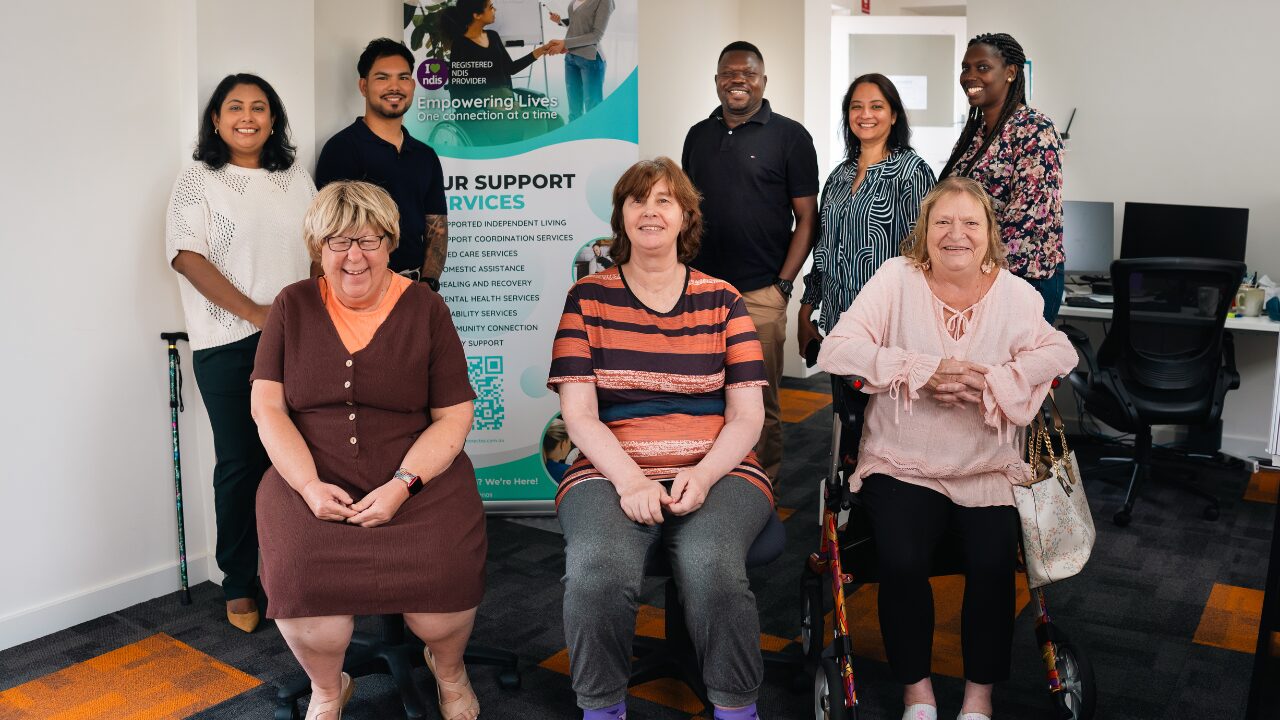
Healing and recovery support is not one service and it is not one moment. It is a long-term process shaped by trauma, support, safety, community, therapy, daily care, and access to the right help.
Whether someone has experienced family violence, sexual assault, sexual violence, child sexual abuse, or institutional child sexual abuse, healing is possible. With trauma informed care, evidence-based therapeutic interventions, peer support, holistic approaches, and practical assistance, people can move toward recovery in a way that respects their pace and lived experience.
And they do not have to do it alone.
Re.Connect Support Services is here to support people affected by trauma, help them access support, and walk beside them as they find safer and more sustainable pathways to healing and recovery.