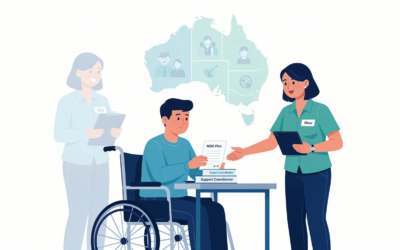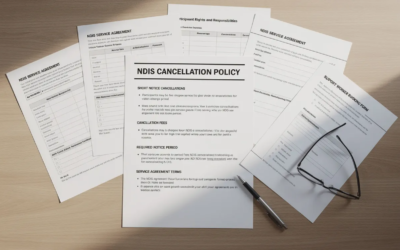
NDIS personal care support is hands-on help with the daily tasks most people do without thinking: showering, getting dressed, using the toilet, moving around the house, and eating meals. This article breaks down what personal care includes, how it’s funded, and how to access it through the NDIS.
NDIS Personal Care Support at a Glance
Personal care support sits under Core Supports, specifically the Assistance with Daily Life category, in an NDIS plan. It covers assistance with essential daily activities that a person cannot manage independently or safely because of their disability. NDIS personal care is funded under the Assistance with Daily Living category, and it includes hygiene, dressing, and toileting support alongside mobility support and meal assistance.
Trained support workers deliver this care, usually in the person’s own home or through personalised in-home care services settings such as supported independent living (SIL) arrangements. Personal care promotes dignity and independence for participants; the focus is on doing things with you, not doing everything for you.
Re.Connect Support Services provides respectful, person centred care aligned with NDIS guidelines. Our approach centres on promoting independence: building your skills and confidence in everyday life rather than creating dependency.
This article is current as of late 2026. NDIS rules change regularly; always check official updates on the NDIS website.
How Personal Care Support Fits Into Your NDIS Plan
Personal care services are funded under Core Supports in your NDIS plan, not under Capacity Building or Capital. Your planner or local area coordinator will assess whether personal care assistance is “reasonable and necessary” by considering disability impact, your goals, existing informal support from family members, and safety risks.
Eligibility criteria for NDIS includes age, residency, and disability impact considerations. Acceptable disability assessments influence the determination of personal care funding, and personal care is prioritised when it directly relates to an individual’s disability and goals.
Common situations where NDIS funds personal care:
- Difficulty showering or toileting safely without help
- Needing two-person transfers (bed to chair, chair to toilet)
- High falls risk
- Needing support to eat, drink, or swallow safely
A plan might read: “2 hours per day, 7 days a week for personal activities of daily living.” Personal care is distinct from general household assistance under NDIS categorisation; cleaning and gardening are separate categories. Personal care accommodates tailored services based on individual needs within NDIS plans, and participants can choose registered or unregistered providers for personal care services.
The NDIS may also fund assistive technology or home modifications (grab rails, a shower chair, hoists) that reduce hands-on assistance. Changes in health or mobility can trigger a plan review to adjust funding or how you use your NDIS Core Supports Budget; we cover how to request more support later in this article.
What Does NDIS Personal Care Support Include Day to Day?
Personal care tasks are tailored to each person. Below are the daily personal activities a support worker can help with.
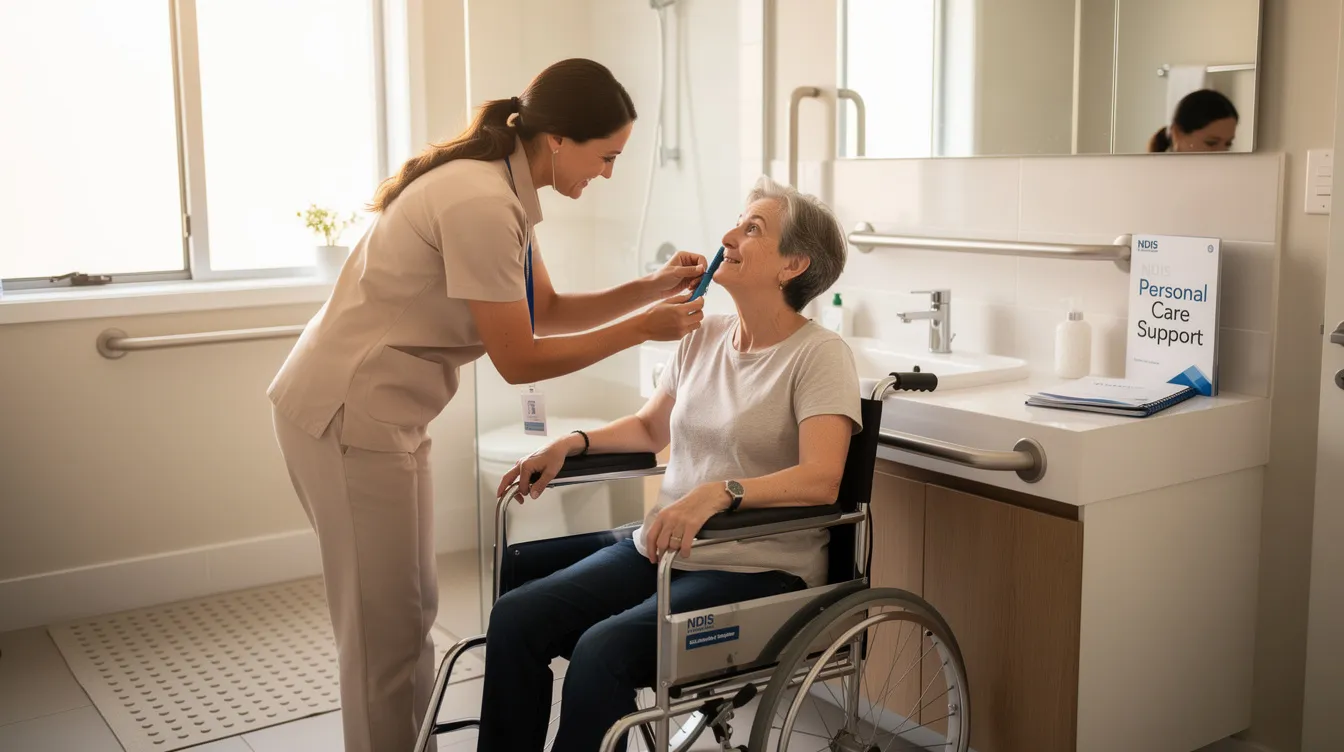
Hygiene and personal grooming. Assistance with showering or bathing, hair care, oral hygiene, shaving, skincare, deodorant, menstrual care, and putting on continence products. Personal care support can help prevent infections, pressure sores, and falls through proper hygiene management.
Dressing and undressing. Help choosing weather-appropriate clothes, managing zips, buttons, compression garments, braces, or splints. Support workers assist with dressing and managing clothing fasteners while setting up routines that build toward independence.
Toileting and continence care. Discreet support to use the toilet, change continence pads or catheters, follow continence care plans, and maintain skin integrity to prevent infections or pressure sores. Toileting support includes discreet assistance with continence management, always delivered with respect for personal space.
Mobility support. Help with repositioning in bed, transferring from bed to chair or toilet, supervised walking, and safe use of mobility aids like walkers, wheelchairs, and hoists. Support workers assist with mobility and transfers for safety, including within Supported Independent Living (SIL) services where ongoing physical support is required.
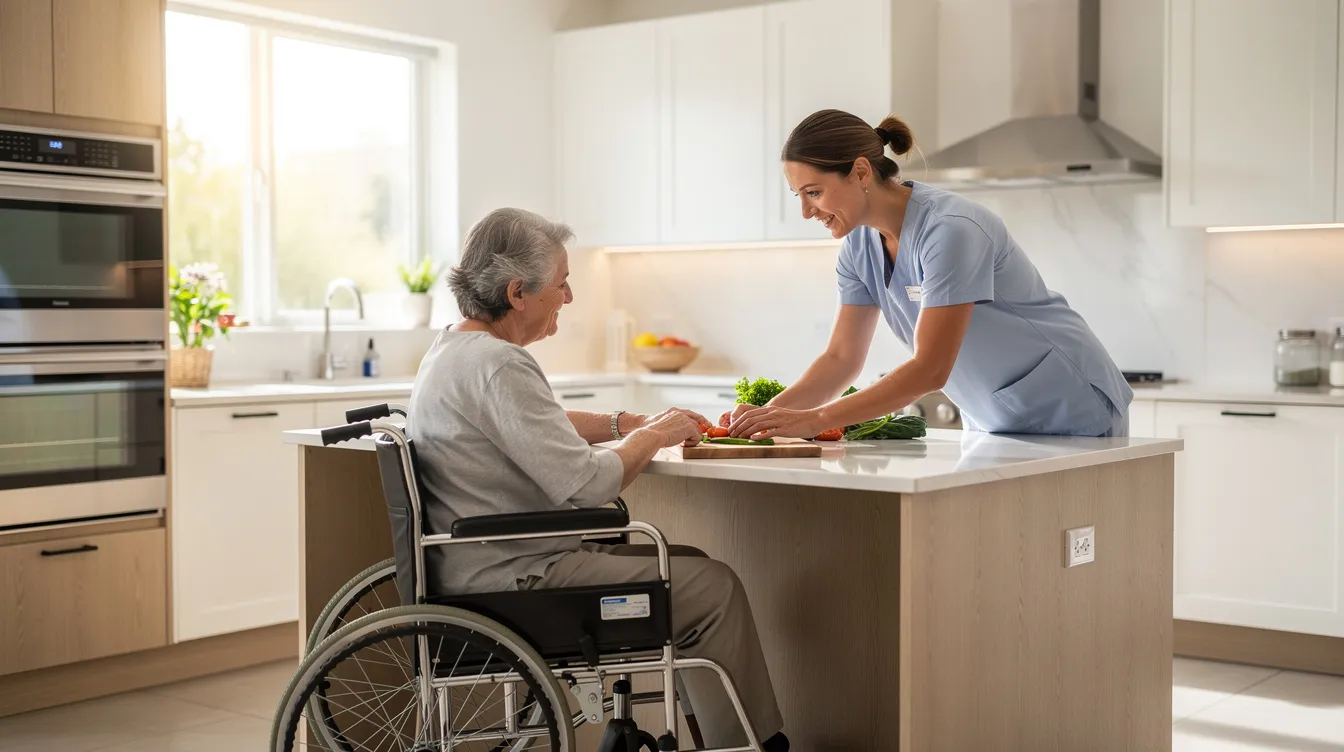
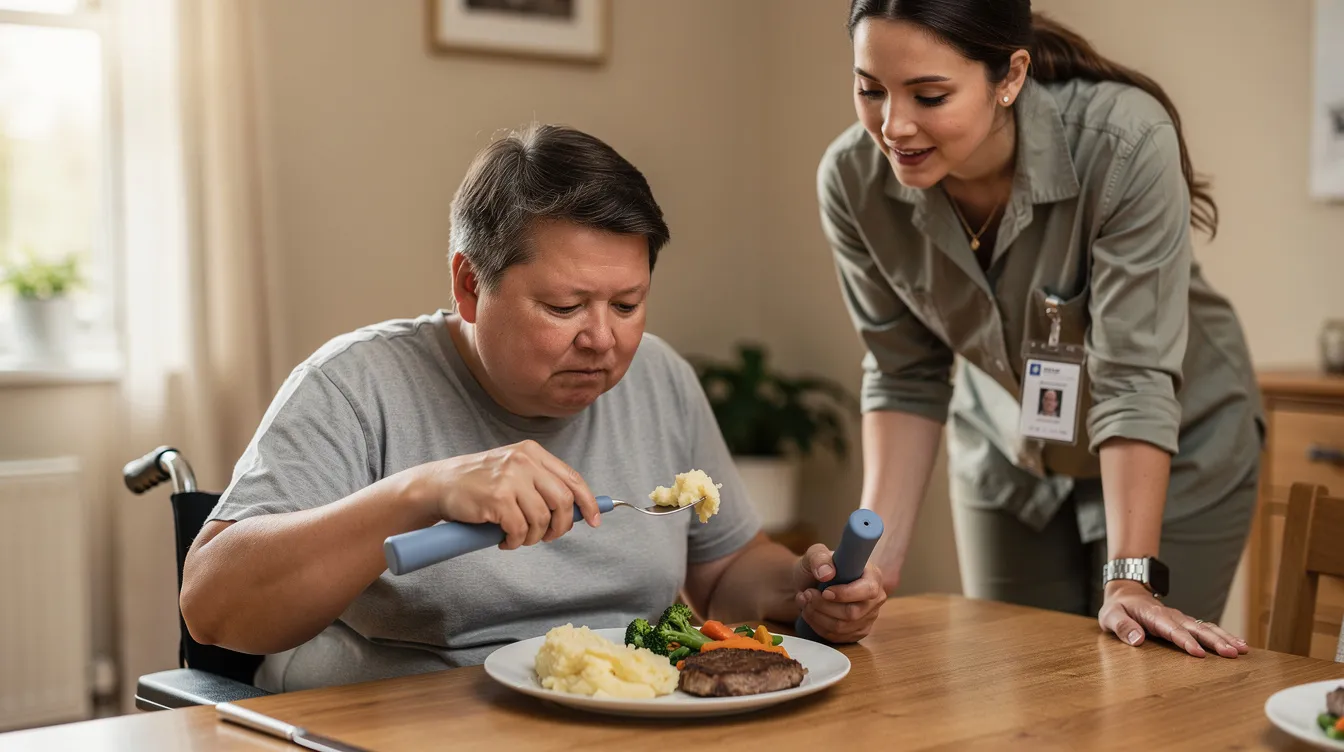
Meal assistance. Support with meal preparation, setting up adaptive cutlery, prompting to eat and drink, assisting with feeding if needed, and following texture-modified or allergy-safe diets that match dietary needs. Eating assistance includes help with feeding and meal preparation assistance, including preparing meals and managing portion sizes.
Medication prompts. Support workers can give reminders and assist with safe storage. More complex medication tasks (subcutaneous injections, PEG feeding) count as high-intensity personal care and require additional training.
Routine-based support. Help getting ready for work, school, appointments, or community activities so personal support links into daily routines and goals, not just isolated personal tasks.
Personal care does not include general cleaning or gardening, though tasks tied directly to personal needs (changing bed linen after an incontinence episode, for example) are included.
Standard vs High-Intensity Personal Care
The NDIS draws a line between standard personal care and high-intensity (complex) personal care needs. The distinction affects staffing, training, and pricing.
Standard personal care covers routine showering, dressing, basic mobility, continence support, and meal assistance where no complex health procedures or behavioural risks are involved.
High-intensity personal care covers tasks such as:
- Complex bowel care
- Feeding via PEG tube
- Tracheostomy or ventilator care
- Seizure management
- Two-person transfers with mechanical hoists
- Subcutaneous injections (delegated by a nurse)
Providers delivering high-intensity care must meet NDIS Practice Standards for High Intensity Daily Personal Activities. Support workers must be trained for specific care needs, and the 2026-27 NDIS Pricing Schedule sets higher price limits for these items (A$79.60/hr for high-intensity weekday daytime in metro and regional areas, compared to lower rates for standard care).
If you or a family member has complex health needs, describe them clearly in planning meetings and service agreements so providers allocate suitably trained staff. Re.Connect Support Services works with participants, families, and clinicians to deliver or coordinate complex care within our scope of practice.
Personal Care Support for Different Ages and Living Situations
NDIS personal care looks different depending on age and living arrangement.
Children and young people. The NDIS does not replace normal parental care like helping a three-year-old get dressed. It funds extra support where disability-related needs exceed what peers of the same age require. For children, personal care assistance is generally limited to a maximum of six hours per day, with sub-limits for bathing, eating, and mobility.
School settings. Personal care at school is usually the education system’s responsibility. NDIS may fund personal care before and after school or during transport.
Adults living at home with family members. Support workers visit at agreed times (morning and evening, for instance) for hygiene, dressing, mobility support, and meal assistance. Family members provide informal support at other times. Personal care support reduces family burnout by providing relief for caregivers.
Supported independent living and group homes. Personal care is built into 24/7 rosters covering overnight supports, emergency toileting, and shared morning and evening routines, and supported independent living services are structured to promote maximum independence in these settings.
Participants living alone. Personal care can include multiple visits per day, combined with assistive technology, community connection and engagement supports, and in home care services, so a person can live independently in their own home without relying on family nearby.
Older participants. People aged under 65 (or under 50 for Aboriginal and Torres Strait Islander peoples) remain NDIS participants. Those over 65 new to support usually access aged care programs. Seek individual advice in transition cases.
How Personal Care Support Promotes Independence and Quality of Life
The goal of NDIS personal care support is not to take over your daily life. It is to keep you safe, maintain your dignity, and build your ability to manage independently where possible. Enhancing health and safety is a direct benefit of consistent personal care support. Personal care assistance helps maintain health and self esteem.
Support workers use a “doing with, not for” approach. A participant might wash their upper body while the worker assists with their legs and back. Or the worker handles meal preparation while the participant cooks and plates the food. Personalised support means the balance shifts as your skills grow.
For people with cognitive disabilities, consistent routines, clear communication, and visual supports (step-by-step charts in the bathroom, for example) help them participate more fully in personal tasks and everyday activities. Communication devices can also support participation.
Feeling fresh, well-dressed, and comfortable reduces anxiety and lifts self esteem. Accessible personal care support helps individuals participate in work, study, appointments, and community activities. Disability support services that focus on inclusion and independence complement personal care services, and fostering community participation allows individuals to pursue personal goals. The impact on overall quality of life for individuals with disabilities is direct and measurable: fewer missed appointments, more social contact, and greater confidence in everyday care.
Re.Connect Support Services reviews goals regularly, reduces hands-on assistance where safe, and celebrates each step toward more independent daily life.
Choosing the Right Personal Care Support Workers
Personal care is intimate. The relationship with your support workers shapes comfort, safety, and outcomes over time. Choosing the right provider is crucial for personal care.
Workers who listen first. A good provider asks how you like things done, your daily routine, your personal preferences, and what you want to do independently before starting. Empowering, person-centred support services help ensure you feel comfortable with your chosen support worker.
Privacy and dignity. Providers should respect your privacy during personal care. Look for behaviours like knocking before entering, closing doors and curtains, offering towels or robes, and explaining each step before touching. Maintaining a participant’s dignity and respect is a non-negotiable part of respectful support.
Cultural, language, and gender preferences. You can request a male or female worker or someone who speaks your preferred language. Discuss this early with providers. Re.Connect aims to match you with a same worker or small consistent team wherever possible.
Training and experience. Ask providers direct questions: “Have your staff supported people with spinal cord injury?” “What training do they receive in safe transfers?” Tailored support depends on workers who know what they are doing, and recruiting and developing skilled disability support workers is essential to maintaining safe, high-quality care.
Consistency and flexible scheduling. A small, consistent team builds trust and predictable routines. Re.Connect Support Services minimises frequent staff changes because consistency reduces anxiety and supports better personal care.
Clear communication. Clear communication is essential when choosing a provider. Ask how a provider handles feedback, shift changes, and concerns. Personal care services are tailored to individual needs and preferences; your input should shape every shift. Participants can choose their support workers for comfort and trust.
Accessing Personal Care Support Through the NDIS
Here is how to get personal care support into your NDIS plan, step by step.
- Gather evidence. Collect reports from GPs, occupational therapists, physiotherapists, or continence nurses describing specific daily tasks you cannot do safely alone. Eligibility for NDIS personal care funding requires assessment as reasonable and necessary.
- Planning meeting. Explain your daily routines to planners: “I need support workers morning and night for showering, dressing, transfers, toileting, and meal assistance.” Cover your goals, cultural preferences, and any high-intensity needs, and make sure you understand how these fit within NDIS Core Supports and Assistance with Daily Life.
- Find a provider. Contact providers like Re.Connect Support Services, compare options, and sign a service agreement that lists the type, timing, and frequency of everyday care. Make an informed decision by asking about training, consistency, and flexible scheduling; some people also work with NDIS support coordinators to navigate and connect with the right services.
- Monitor supports. Keep a simple record of what is working, any missed shifts, or changes in needs. This prepares you for your next plan review.
- Request a plan review. A change in circumstances (major surgery, increased falls, new continence issues, change in mobility) can trigger a review. NDIS review forms are available on the NDIS website.
Contact Re.Connect Support Services if you need help preparing for planning meetings or reviews focused on personal care support needs.
Re.Connect Support Services: Our Approach to NDIS Personal Care
Re.Connect Support Services is a registered NDIS provider specialising in person centred care, including personal care support and Assistance with Daily Life. Our core values are dignity, respect, cultural safety, and promoting independence, and our personalised NDIS disability support services are designed to help you live as independently and meaningfully as possible.
We offer:
- Showering, personal hygiene, and personal grooming
- Dressing and undressing
- Toileting and continence care
- Mobility support and transfers
- Meal preparation assistance, meal assistance, and home personal care
- Daily routines at home, including help with essential daily activities
We tailor support plans to each person’s goals, individual needs, and NDIS plan budget. Our team can also provide specialist NDIS support coordination alongside personal care where needed. We review supports regularly so they stay aligned with changing needs. We work collaboratively with families, guardians, and healthcare professionals to keep care safe and coordinated. Support workers respect participants’ dignity during every personal care task.
Phone or email Re.Connect Support Services to discuss your personal care needs, check service coverage in your area, and plan next steps.
Helpful Resources and Educational Links About NDIS Personal Care
Below are external resources where you can learn more about NDIS personal care and your rights, and you can also explore our Re.Connect Support Services blog for more articles on NDIS, disability support, and everyday living.
- NDIS Assistance with Daily Life (Core Supports): Explains daily life supports, funding rules, and personal care examples. ndis.gov.au/participants/home-and-living/assistance-daily-life
- NDIS Pricing Arrangements and Price Limits: Check how standard and high-intensity personal care is categorised and priced. ndis.gov.au/providers/pricing-arrangements
- NDIS Home and Living Supports: Covers in-home support, SIL, and when personal care can be funded in different settings. ndis.gov.au/participants/home-and-living
- Carer Gateway: Information, counselling, and respite for families and carers. carergateway.gov.au
- Re.Connect Support Services overview: Learn how our community-based personalised support services empower individuals and families across mental health, disability, youth, and housing support.
- Continence Foundation of Australia: Evidence-based education on continence care and disability-related products. continence.org.au
- Mental health and recovery supports: Our healing and recovery-focused disability services explain how we integrate mental health into support plans.
- Community participation under the NDIS: Read about our social and community participation programs and how they complement personal care.
- Support coordination and daily life: Learn how support coordination can streamline daily living alongside personal care supports.
- NDIS mental health services: Explore our specialised mental health support for NDIS participants.
- Holistic disability and aged care support: Discover our broader personalised care options across disability, aged care, and homelessness.
- Autism-specific NDIS supports: Families can read about our specialist NDIS support for Autism Spectrum Disorder.
These links are for general education. Always seek personalised advice from the NDIS, allied health professionals, or your support coordinator.
Final Thoughts
Personal care support under the NDIS exists to assist individuals to live safely, maintain independence, and participate in the community with dignity. The right provider, well-trained support workers, and a plan that reflects your actual needs make the difference between care that holds you back and care that moves your well being forward. Contact Re.Connect Support Services to start the conversation about your NDIS personal care needs.