
Introduction
Navigating the National Disability Insurance Scheme (NDIS) can be complex, especially when it comes to understanding what your funding can be used for. This comprehensive guide is designed for NDIS participants, families, and carers, providing clear information on the uses of NDIS funding, the rules and criteria that apply, the different support categories and budgets, and practical tips for making the most of your plan. Understanding how NDIS funding works is essential for maximizing your supports, achieving your personal goals, and building greater independence.
Key Takeways
- NDIS funding can only be used for reasonable and necessary supports that are related to your disability, your personal goals, and your ndis plan.
- Since 3 October 2024, every NDIS plan has 4 support budgets, and each budget includes various support categories tailored to individual needs.
- Common funded supports include daily life assistance, community participation, therapies, transport funding, assistive technology, home modifications, vehicle modifications, and driving lessons.
- NDIS funds must meet the “reasonable and necessary” criteria, prohibiting coverage for general living costs like rent, groceries, utilities, or holidays.
- Re.Connect Support Services helps plan-managed and self managed participants understand supports, budgets, providers, and practical choices.
How NDIS Funding Works in 2026
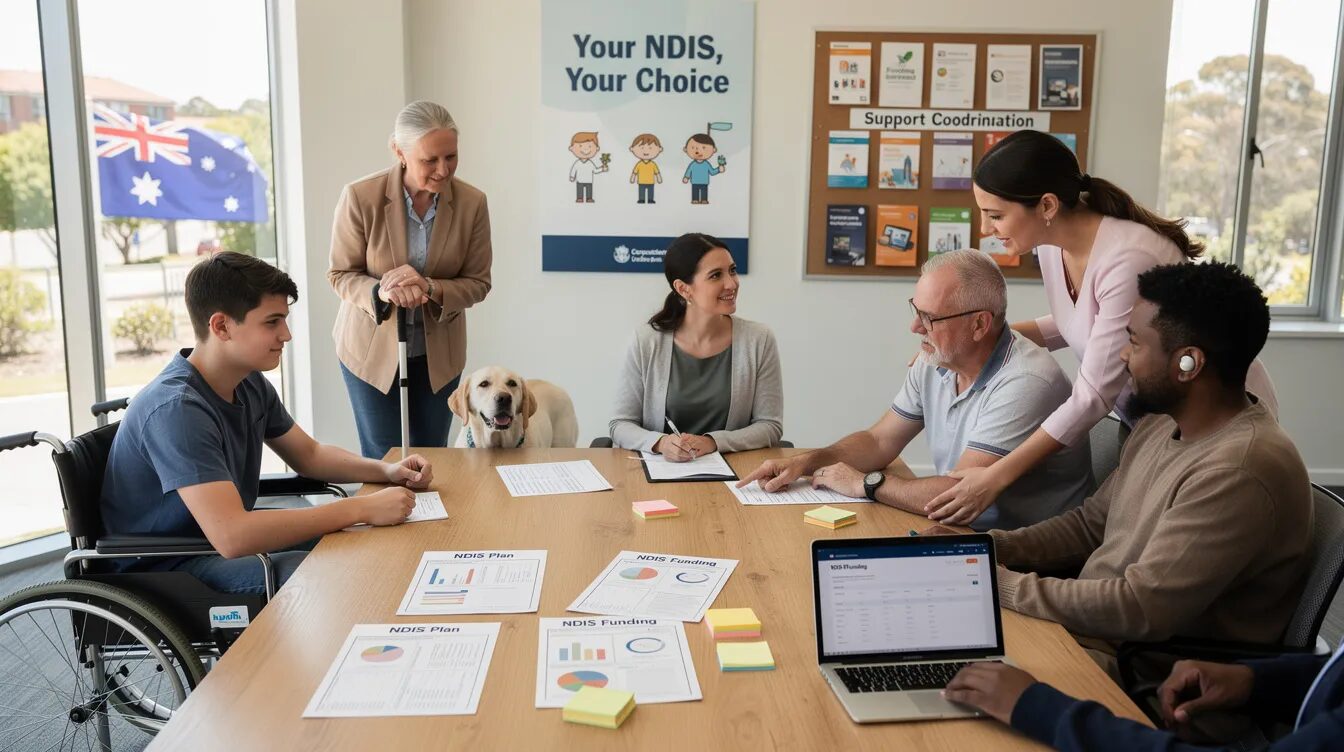
The national disability insurance scheme funds supports for Australians with disability to live independently, build skills, work, learn, and join community activities.
Here’s what matters:
- National Disability Insurance Scheme (NDIS) funding is categorized into three budget categories: Core, Capacity Building, and Capital.
- Since 3 October 2024, plans also use 4 support budgets and 21 support categories under the newer structure. See the NDIA guide to support budgets.
- All ndis supports must meet the ndis act “reasonable and necessary” rules.
- A support must be related to the participant’s disability, help them achieve their goals, provide good value for money, and make a positive difference in their life to be deemed reasonable and necessary.
- Some funding is flexible; some is stated and must be used exactly as written.
- How you use your ndis depends on whether the plan is NDIA-managed, plan-managed with a plan manager, or self-managed.
NDIS Eligibility and Goal Setting
To access NDIS funding, you generally need to be aged 9–65, live in Australia, hold eligible residency, and have evidence of a permanent impairment that affects daily life. Check current NDIS eligibility.
In planning, goals shape funding. Examples include “build daily living skills,” “increase social skills,” “enter further education,” “maintain work,” “improve mental health routines,” or “gain a licence.” These goals influence how much funding appears in each support category.
Re.Connect Support Services can help prepare practical examples before meetings through specialised NDIS support coordination.
What the NDIS Is Designed to Fund
NDIS funding can be used for supports and services that assist individuals with disabilities in achieving their goals, including learning, working, and participating in community activities.
The NDIA considers:
- disability needs and functional impact;
- informal supports from family or friends;
- other supports from Medicare, education, housing, or another government system;
- whether the service is good value;
- whether the disability prevents the person doing the same things as others safely or independently.
For the NDIS to pay for supports or services, they must meet certain rules to be considered “Reasonable and Necessary”.
NDIS Support Budgets and Support Categories
Every ndis plan has four support budgets, which may not all be funded for every participant, as the plan is tailored to individual needs.
There are 21 support categories within the NDIS, which include various types of assistance and services that participants can access based on their individual needs.
Support categories are designed to provide flexibility, allowing participants to use their funding across different categories within the same support budget, as long as it aligns with their individual goals and needs. NDIS funding can be used flexibly across support categories within the same support budget, allowing participants to choose how to spend their funding as long as it remains within the total funding amount.
However, stated items are stricter. Providers and plan managers also follow the NDIS Pricing Arrangements and Price Limits.
Core-Type Supports: Daily Life, Consumables, Transport and Community Participation
Core supports help with everyday needs, everyday activities, and everyday life, often delivered through personalised in-home care services.

Assistance with Daily Life
Assistance with daily life may fund a support worker for personal care, showering, dressing, grooming, toileting, meal preparation, medication prompts, feeding, household tasks, changing bedding, and cleaning linked to health and safety.
This is current practical help, not long-term skill training. Support may be weekly or daily, depending on assessed need.
Consumables and Everyday Disability-Related Items
A consumables budget may cover continence aids, wound dressings, and low cost assistive technology.
It does not usually cover everyday items such as groceries, standard toiletries, or cleaning products because these are living costs.
Transport Funding
Transport funding helps when public transport is not safe or practical because of disability. It may support travel to work, medical appointments, education, or regular community participation.
Support workers may claim agreed time and kilometres when taking a participant to community activities, within price limits and service agreements.
Assistance with Social and Community Participation
Social and community participation funding may pay a support worker to help you attend recreational activities, a Launceston library group, volunteering, sports, or disability-friendly fitness.
The NDIS usually pays support time, not your ticket, class fee, or gym memberships unless specifically approved as disability-related improved health support.
Capacity-Building Supports: Building Skills for Independence
Capacity building supports help participants learn new skills and achieve long-term independence. The Capacity Building budget helps participants learn new skills and achieve long-term independence.
Capacity Building funding cannot typically be moved between different sub-categories. For example, Improved Relationships funding generally cannot be spent on Improved Living Arrangements unless the plan says so.
Therapies and Allied Health Supports
Supports funded may include occupational therapy for daily living, physiotherapy for mobility aids, speech pathology for communication devices, and psychology for behaviour regulation.
The NDIS funds functional improvement, not hospital treatments or general healthcare.
Skill Development for Daily Life and Independence
Support can teach cooking, budgeting, organisation, public transport training, safe assistive technology use, and daily living skills, often with a strong focus on community connection and engagement supports. The focus is to build skills, not provide passive supervision.
Driving Lessons and Travel Independence
Driving lessons may be funded by the ndis when linked to goals, medically cleared, and disability-specific. This may include OT driving assessment, modified vehicle training, or extra lessons caused by disability.
The NDIS does not usually pay licence fees, fines, petrol, or standard car costs.
Capital-Type Supports: Assistive Technology and Home Modifications
Capital supports fund high-cost, one-off purchases that are strictly designated for specific items. Capital funding is usually stated, not flexible.
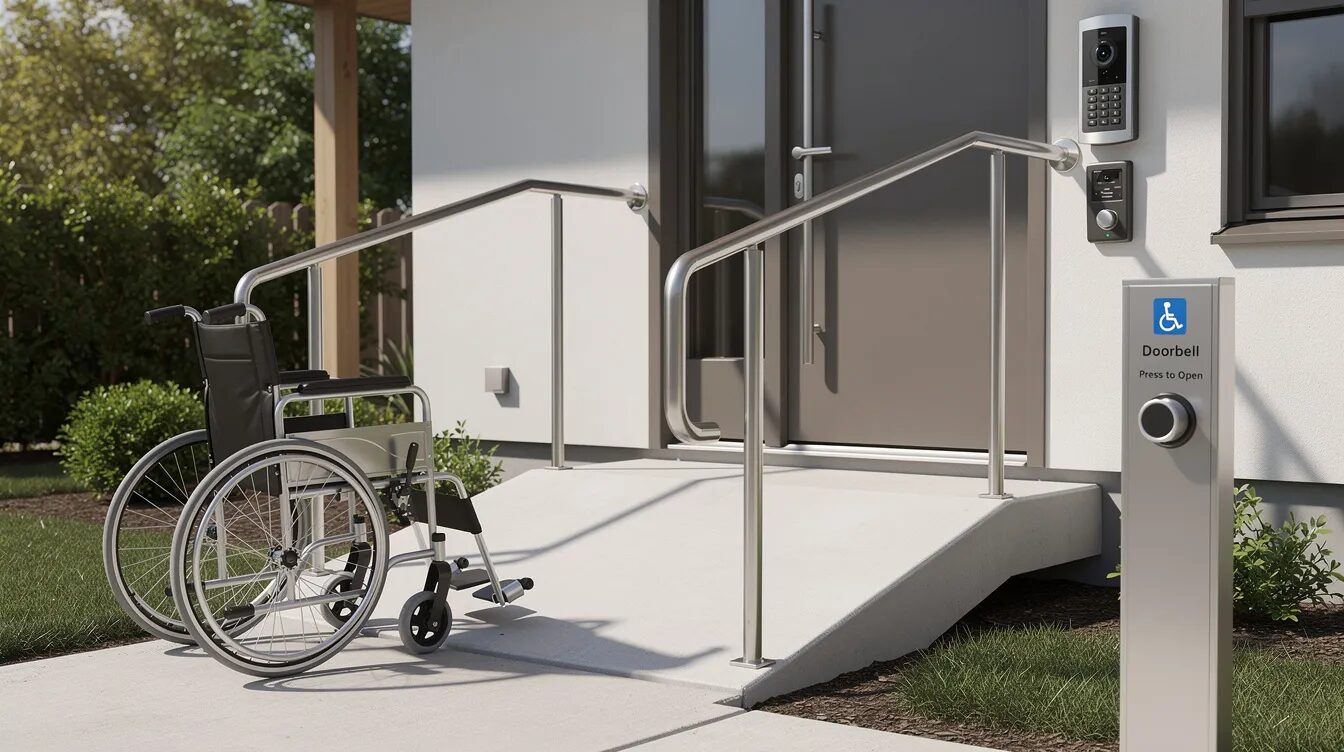
Assistive Technology and Equipment
Assistive technology includes tools and devices designed to help individuals perform tasks that may be challenging due to their disability. Examples include wheelchairs, hoists, pressure mattresses, communication devices, adaptive computer equipment, and mobility aids.
Low-risk items may come from consumables; higher-cost equipment usually needs quotes, reports, and approval.
Home Modifications
Home Modifications are funded for structural changes to improve accessibility. Home modifications can include ramps, widened doors, bathroom changes, and grab rails that improve accessibility and safety.
NDIA may require OT reports, builder quotes, and landlord approval. Cosmetic renovations are not funded.
Specialist Disability Accommodation and Housing Supports
Specialist Disability Accommodation (SDA) provides housing solutions for participants with very high support needs. Specialist disability accommodation is special housing for eligible people with high support needs.
SDA does not pay ordinary rent, utilities, food, or general living costs.
Supports with Special Considerations: Assistance Animals, Pets and Community Access
Assistance Animals Versus Ordinary Pets
The NDIS may fund accredited assistance animals such as guide or hearing dogs when they meet strict standards. It does not usually cover ordinary pet food, grooming, or vet bills.
Community Participation, Hobbies and Holidays
NDIS may fund support worker hours for hobbies, events, and community access, often delivered by providers offering personalised care across disability and mental health. It usually does not pay flights, hotels, tickets, or leisure costs that anyone would pay.
What NDIS Funding Cannot Be Used For
NDIS funding does not cover costs for services provided by other systems, such as public education or hospital treatments.
It also cannot fund:
- rent, mortgage, standard groceries, gas, water, or electricity;
- wages, pensions, or income replacement;
- gambling, alcohol, tobacco, illegal activities, or harmful supports;
- general holidays or lifestyle upgrades;
- services not allowed under current ndis rules.
Misuse may lead to repayment, review, or restrictions.
Using NDIS Funding Overseas and Outside Your Local Area
Participants can generally use funding overseas for short temporary periods, commonly up to 6 weeks, if they remain eligible Australian residents. Invoices must still meet NDIS rules.
Within Australia, you can usually use registered providers or suitable unregistered providers outside your suburb if the support is reasonable, necessary, and within pricing limits, such as NDIS-registered Re.Connect Support Services.
Plan Management, Self-Management and Working with Providers
NDIA-managed plans usually use registered providers only. Plan-managed participants use a plan manager to pay invoices and track budgets. Self managed participants have the most flexibility but the highest record-keeping responsibility.
Use written agreements covering rates, travel, cancellations, regular payments, and responsibilities when engaging tailored support to build independence and quality of life.
Practical Tips to Decide What to Use Your NDIS Funding For
Before you spend ndis funding, ask:
- Is it related to your disability?
- Is it linked to goals in the plan?
- Is there funding in the right support category?
- Is it allowed under the NDIS supports list?
- Will it make life easier, safer, or more independent?
Participants can request a plan implementation meeting at any time to better understand their NDIS plan and explore the best ways to utilize their funding for supports.

How Re.Connect Support Services Helps You Use Your NDIS Funding Effectively
Re.Connect Support Services helps participants connect personal goals with funded supports, daily life assistance, capacity building, support coordination, community participation, and providers through personalised disability and community support services.
The team works with plan-managed and self-managed participants, support coordinator networks, and families to track hours, outcomes, future needs, and review evidence.
Contact Re.Connect Support Services for an obligation-free conversation about your current plan and available NDIS mental health recovery supports.
Frequently Asked Questions About What NDIS Funding Can Be Used For
Can I use my NDIS funding to pay for rent, groceries or utility bills?
No, not usually. These are everyday living costs. Limited disability-related exceptions may apply, such as extra electricity for approved life-support equipment.
Can I buy a car with my NDIS funding?
Usually no. The NDIS does not normally buy cars or pay registration, insurance, or fuel. It may fund disability-specific vehicle modifications such as hand controls or wheelchair hoists.
Can I pay family members or close friends with my NDIS funds?
Usually no. The NDIS generally expects independent providers, especially where family live in the same home. Check with the NDIA before arranging this.
What happens if I use my NDIS funding for something not allowed?
Accidental errors can often be corrected through your plan manager, NDIA contact, or support coordinator. Repeated misuse may lead to repayment, review, or investigation, and can also affect access to supported independent living arrangements.
How can I check quickly if the NDIS will fund a specific item or service?
Check your support category, your goals, the reasonable and necessary criteria, and available funding. If unsure, ask your LAC, planner, plan manager, or Re.Connect Support Services before buying.