
Quick Answer
Australia and the world are facing a historic housing challenge, but the rise of sustainable and accessible housing options is offering powerful solutions. For NDIS participants, these housing pathways are vital to achieving independence, safety, and long-term wellbeing. Through sustainable design, accessible features, community-focused planning, and energy-efficient living, new models of housing can reduce energy costs, improve accessibility, enhance resilience, and prepare for the needs of future generations.
Introduction to the Housing Crisis
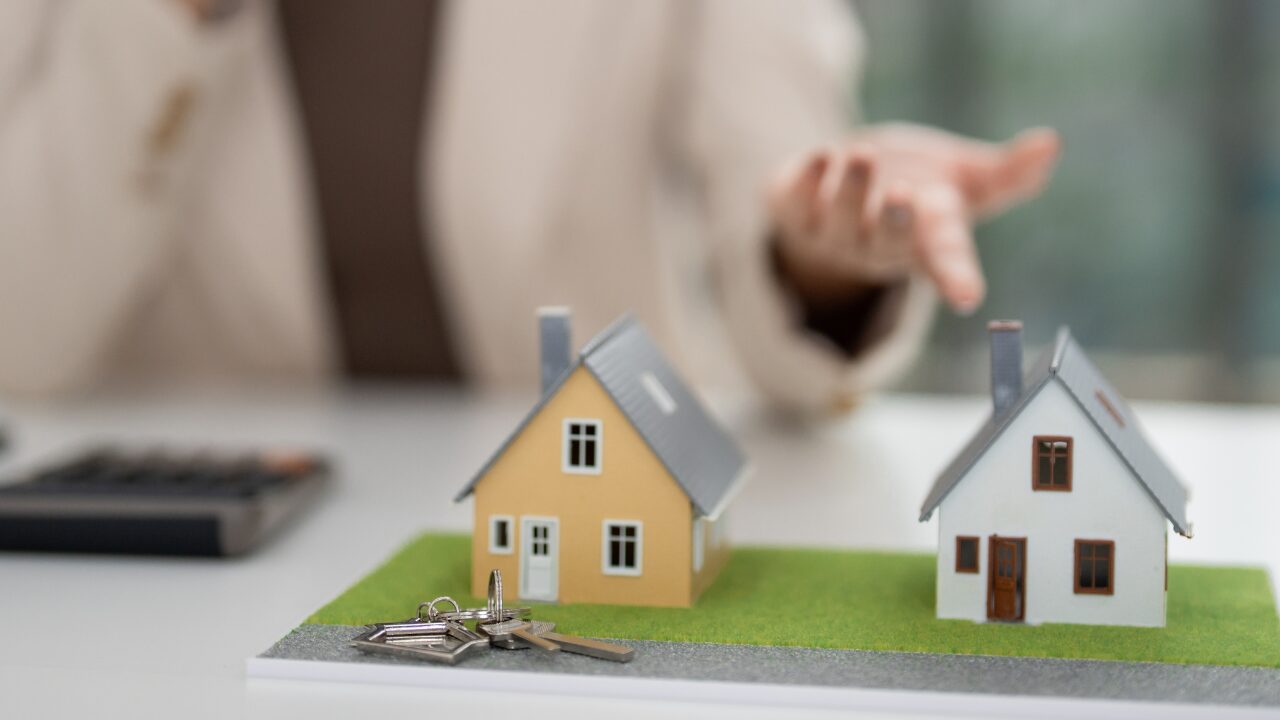
The global housing crisis has become one of the most urgent issues shaping the modern world. Research from UN-Habitat reveals that nearly 80 percent of cities worldwide lack affordable housing, pushing large portions of their populations into unstable living conditions or limited choices. This challenge stretches across every country, including Australia, where a growing number of households struggle to secure stable, affordable housing that supports both independence and wellbeing.
Staggering Demand
The demand is staggering. According to the World Economic Forum, the planet will need 96,000 new homes every single day to meet global housing supply needs. When we consider how housing interacts with the built environment, personal safety, health, and economic stability, it becomes clear that traditional approaches are no longer enough. The world requires sustainable and accessible housing options that respond not only to economic constraints but also to shifts in climate, demographics, and disability inclusion.
Availability of Accessible Space
For NDIS participants in particular, the availability of accessible, safe, and adaptable homes is crucial. Housing is more than a building. It is a foundation for life, community participation, employment, wellbeing, and long-term independence. When a home incorporates natural light, water efficient fixtures, accessibility features, enough space, and good ventilation supported by ceiling fans or energy efficient air conditioning, the resident experiences better health outcomes and reduced energy consumption, ultimately lowering the energy costs that most people struggle to pay.
Accessible homes may also feature lower level kitchen work surfaces and storage, making it easier for wheelchair users to prepare meals and access everyday items.
Housing, Climate Change, and Disability Inclusion
The housing crisis does not exist in isolation. It intersects deeply with climate change, extreme weather, biodiversity loss, resource scarcity, rising temperatures, and safety risks in residential environments. Residents with disability are disproportionately affected because they may need:
- Stable indoor temperatures
- Better ventilation
- Accessible pathways
- Proximity to services
- Secure environments with reduced hazard exposure
Health Risks
When extreme heat events occur in Australia, they pose a serious health risk, especially to people who rely on assistive technology, home supports, personal care, or mobility devices. Homes that are poorly insulated or not energy efficient compound the danger.
These realities highlight why sustainable and accessible housing must be considered a key aspect of national planning and disability support. Sustainable housing design that incorporates water efficiency, insulation, natural light, thermal comfort, and low-waste construction is not just environmentally responsible. It supports resilience, reduces energy consumption, and creates living environments that improve life for the majority of residents.
The Role of Specialist Disability Accommodation in the Housing Crisis
One of the most impactful models within the NDIS is Specialist Disability Accommodation (SDA). SDA provides purpose-built homes designed to maximise access, safety, personal control, and long-term independence for eligible participants with extreme functional impairment or very high needs. These properties offer:
- Greater accessibility
- High levels of security
- Smart home technology
- Environmental controls
- Enough space for equipment
- Accessible laundry, cooking, and bathroom features
- Durable, cost effective materials
These SDA properties are guided by developed standards and frameworks to ensure quality, safety, and accessibility for residents.
SDA demonstrates how sustainable housing can work hand-in-hand with disability-inclusive design. For example, modern SDA homes often integrate:
- Orientation for natural light
- Low energy appliances
- Water efficient fixtures
- Passive cooling
- Local community integration
- Smart sensors that lower energy use
This combination reduces environmental impact while improving resident wellbeing.
Why Western Australia is a Leader in Sustainable, Accessible Living
When looking at high-impact solutions, Western Australia provides strong examples of how sustainability and accessibility can be integrated into new projects. Many local developments reflect the region’s commitment to:
- Passive solar design
- Maximising natural light
- Ceiling fans for energy-efficient cooling
- Water saving systems
- Landscaping that supports biodiversity
- Accessible layouts with adequate space
Western Australia’s approach demonstrates how innovation in planning and construction can benefit both the environment and residents with disability. By blending accessible design features with sustainable, cost effective materials, developers create homes that are easier to maintain and more comfortable throughout the year.
Research from the Australian Housing and Urban Research Institute (AHURI) reinforces that sustainable housing improves resilience, reduces strain on utilities, and leads to better health outcomes for residents.
Reference: AHURI. (2023). Sustainable housing in Australia.
Urgency and Global Responsibility in Sustainable Housing
Creating sustainable, accessible, and affordable housing is not solely a housing policy issue. It is a global responsibility that affects health, education, employment, and long-term wellbeing.
The world cannot continue building homes with old patterns of waste, inefficiency, and exclusion. Instead, new designs must promote:
- Energy efficiency
- Renewable energy use
- Local materials
- Community-led design
- Accessible features
- Climate resilience
- Digital smart systems
For people with disabilities, these improvements can transform everyday experiences, allowing individuals to participate more in the community, maintain better health, and achieve goals with fewer barriers.
Homes shape every part of life. They influence how easily a person can move, cook, work, socialise, access services, or rest. Therefore, housing must cater to diverse needs and ensure the same level of dignity and independence for every resident.
Sustainable Housing Solutions
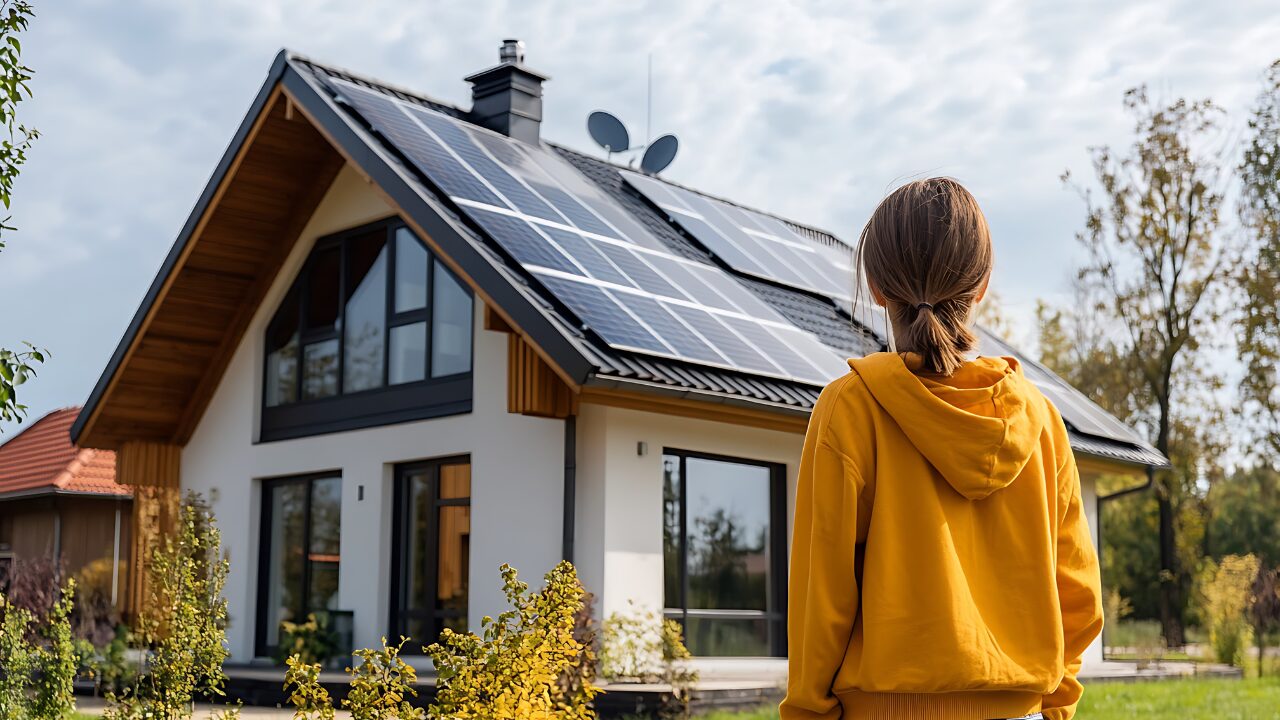
Sustainable housing is essential for creating homes that are environmentally responsible, cost effective, and supportive of long-term wellbeing for residents. For NDIS participants, the combination of sustainability and accessibility is especially important. Homes that incorporate energy efficiency, natural light, water-efficient fixtures, and adaptable layouts improve comfort, reduce energy costs, and promote independence.
Various services and resources are available to assist NDIS participants in making informed decisions about sustainable and accessible housing.
In Australia, the push toward sustainable housing is backed by research, climate science, and the growing awareness that buildings play a major role in shaping health, security, and long-term resilience. Sustainable homes are not only better for residents but are a powerful strategy for protecting future generations from the escalating effects of climate change.
Useful reference: 🔗 UN-Habitat – Global Housing Crisis Overview https://unhabitat.org/
Energy-Efficient Designs and Smart Building Practices
Energy-efficient homes reduce energy consumption, lower monthly energy costs, and help build a more resilient community. According to the Clean Energy Council, energy-efficient buildings can reduce household electricity use by up to 30 percent, offering significant financial benefits for the majority of residents.
Reference:
🔗 Clean Energy Council – Energy Efficiency in Australian Homes
https://www.cleanenergycouncil.org.au/
Key features of an energy efficient home include:
- Optimal natural light for daytime illumination
- Ceiling fans for cooling before relying on air conditioning
- Thermal insulation to reduce energy loss
- Water-efficient fixtures for conservation
- Solar-ready building design
- Low-waste construction materials
By reducing waste, improving water efficiency, and adopting efficient heating and cooling systems, homes become healthier and easier to maintain. They also support eco-friendly living for people with unique health needs or disabilities who may require stable indoor temperatures.
Green Spaces and Community-Focused Housing
Sustainable housing today goes beyond the structure of the home. It includes outdoor environments and community spaces that support wellbeing, accessibility, and long-term resilience. Research from the Australian Housing and Urban Research Institute (AHURI) shows that access to shared outdoor spaces improves mental health, physical health, and social connection for residents.
Reference:
🔗 AHURI – Sustainable Communities and Housing Research
https://www.ahuri.edu.au/
Community-focused sustainable housing projects often include:
- Green gardens and biodiversity-friendly landscaping
- Communal pathways designed for accessibility
- Shaded outdoor areas
- Places for family gatherings and community events
- Sensory-friendly spaces for people with disability
These features promote community, reduce isolation, and create inclusive environments where participants can participate more fully in life, employment, and social activities.
Specialist Disability Accommodation (SDA) as a Sustainable Model
Specialist Disability Accommodation (SDA) represents one of the most transformative, sustainability-aligned housing models in the NDIS. SDA homes are designed to cater to people with high physical support needs or extreme functional impairment, offering increased access, safety, and personalised independence.
SDA design categories prioritise:
- Improved accessibility
- High environmental performance
- Smart-home systems that reduce energy waste
- Secure entryways for safety and comfort
- Adequate space for mobility and equipment
- Durable materials that reduce long-term costs
Official information on SDA design standards:
NDIS SDA Design Standard
https://www.ndis.gov.au/providers/housing-and-living-supports-and-services/housing/specialist-disability-accommodation/sda-design-standard
SDA aligns with sustainable home principles by focusing on longevity, reduced maintenance, and adaptable layouts. As the growing number of Australians living with disability seek accessible homes, SDA becomes an essential part of a responsible, inclusive housing future.
Examples of Sustainable SDA Practices
Australia has seen remarkable progress in blending SDA with sustainable construction. Examples include:
- Solar panels paired with battery storage to reduce reliance on the grid
- Passive cooling techniques using natural light, ventilation, and shading
- Water efficient fixtures that reduce consumption and lower bills
- Technology-enabled systems that help participants control lighting, temperature, and security with ease
- Durable flooring and wall materials that minimise long-term repairs
These features create cost effective living arrangements that support independence for residents while improving the overall built environment.
Western Australia as a Leader in Sustainable Disability Housing
Western Australia continues to be recognised as a leader in sustainable housing innovation. Regional developments and accessible communities often integrate climate-responsive architecture informed by local weather patterns, land use, and environmental impact.
For example, many WA homes incorporate:
- Passive solar design
- Cross ventilation to reduce reliance on air conditioning
- Shaded verandas to cool the home naturally
- Ceiling fans for efficient cooling
- Water efficiency through greywater systems and low-flow fixtures
- Smart placement of windows for natural light
- Accessible pathways and enough space for wheelchairs and mobility aids
Supporting research:
🔗 Government of Western Australia – Sustainable Building Practices
https://www.wa.gov.au/
Western Australia’s innovative approach sets an example for the rest of the country, demonstrating how sustainability, accessibility, and disability inclusion can be achieved together in housing developments.
Why Sustainable Housing Matters for People with Disability
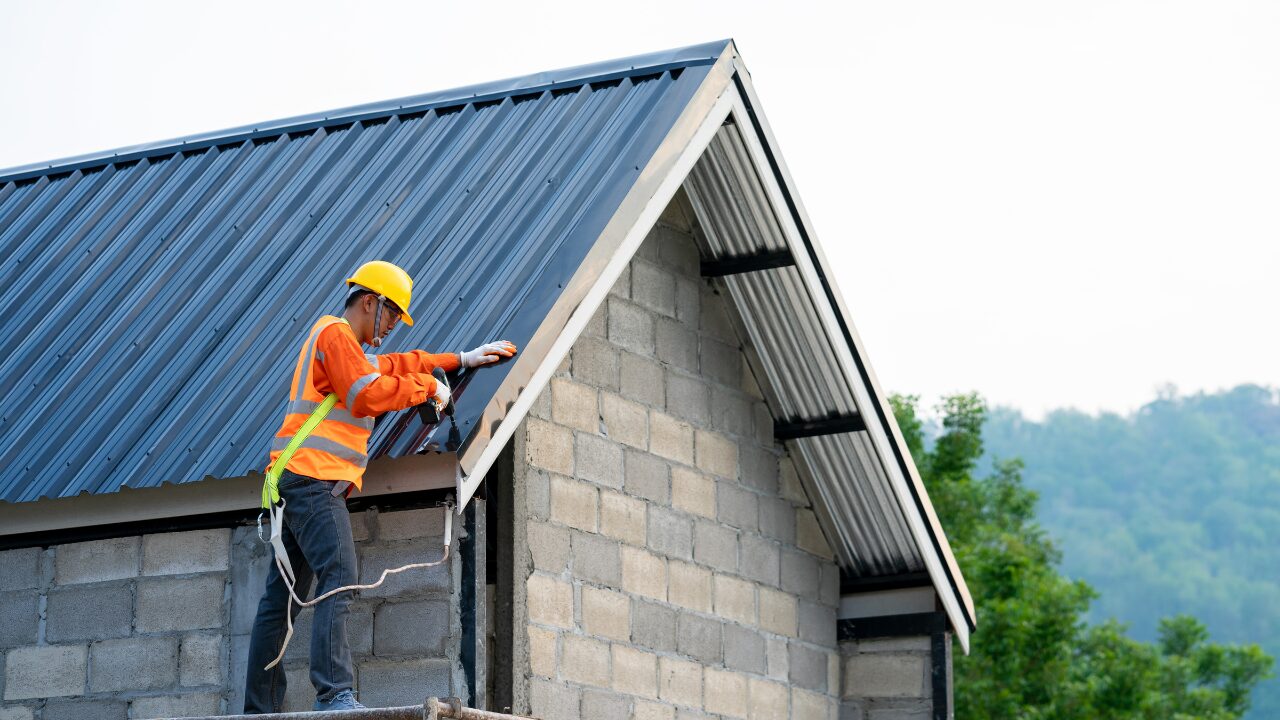
People with disability are more vulnerable to:
- Extreme temperatures
- Poor ventilation
- High utility bills
- Accessibility barriers
- Unsafe building layouts
These risks highlight the importance of designing sustainable and accessible environments that promote health, safety, and quality of life for participants.
According to the Climate Council, homes with poor insulation or inadequate cooling pose a major risk during heatwaves, especially for individuals with mobility limitations, sensory sensitivities, or complex health needs.
Reference:
🔗 Climate Council – Heatwaves and Vulnerable Populations
https://www.climatecouncil.org.au/
By choosing sustainable and accessible housing options, communities can ensure that future developments cater to everyone’s needs, particularly those who rely on disability supports and NDIS services.
Impact of Climate Change on Housing
Climate change is one of the most significant forces shaping the future of housing, the built environment, and community wellbeing. Australia is already experiencing more frequent heatwaves, extreme rainfall, bushfires, and rising temperatures. These changes increase risks to safety, health, and accessibility, particularly for residents with disability who may require stable indoor temperatures, consistent access to powered equipment, or safe environments that support mobility.
Reference:
🔗 CSIRO – Climate Change in Australia
https://www.csiro.au/en/research/environmental-impacts/climate-change
For NDIS participants, the need for sustainable and accessible housing options becomes even more urgent. Homes must not only provide shelter but also withstand environmental stressors, reduce energy costs, and support long-term resilience.
Rising Temperatures and Indoor Comfort
Australia’s climate is warming faster than the global average. This impacts indoor environments, especially for residents who rely on equipment such as:
- Mobility chargers
- Breathing devices
- Air filtration systems
- Cooling or heating supports
Poor-quality homes that lack insulation or energy efficient cooling solutions often trap heat, creating dangerous conditions during heatwaves. According to the Climate Council, heatwaves kill more Australians than all other natural disasters combined.
Reference:
🔗 Climate Council – Heatwaves Report
https://www.climatecouncil.org.au/
Sustainable housing design reduces this risk by incorporating:
- Ceiling fans for low-energy cooling
- Proper insulation
- Passive design to limit sun exposure
- Tree shading and green landscaping
- Air conditioning that consumes less energy
- Smart placement of windows for cross-ventilation
These features decrease reliance on expensive cooling methods, helping residents manage energy consumption without excessive bills.
Extreme Weather and the Need for Resilient Homes
Climate change increases the severity of storms, flooding, and bushfires. Residents in poorly constructed properties are exposed to greater harm, especially if the home lacks:
- Accessible exits
- Secure entry points
- Weather-resistant building materials
- Fire-resistant construction features
- Adequate space for mobility equipment
- Stable flooring and handrails
People with disability face higher risk during emergencies because evacuation often requires clear pathways, support services, and safe transportation options. When homes are not designed for accessibility or resilience, the danger increases significantly.
According to the Australian Institute for Disaster Resilience (AIDR), vulnerable residents experience disproportionate harm during natural disasters due to limited mobility, communication barriers, and structural inaccessibility.
Reference:
🔗 AIDR – Vulnerable Persons and Disaster Resilience
https://knowledge.aidr.org.au/
Climate Change and Housing Affordability
Climate change directly impacts housing cost, availability, and supply. Damaged areas require reconstruction, increasing property prices and insurance premiums. As building materials become more scarce and extreme weather disrupts construction, costs rise for:
- New homes
- Rent
- Insurance
- Utilities
- Adaptation works
For low-income households and NDIS participants, these rising costs threaten access to stable and safe accommodation. Sustainable home design reduces the financial burden over time by lowering energy costs, reducing water usage through water efficient fixtures, and minimising waste during construction.
Energy Efficiency as a Climate Adaptation Strategy
Energy-efficient housing is essential to reducing environmental harm and protecting vulnerable residents. Efficient homes:
- Maintain comfortable temperatures
- Reduce carbon emissions
- Lower electricity and water bills
- Improve indoor health
- Reduce reliance on high-energy appliances
The Australian Government notes that improving energy efficiency in buildings is one of the most cost effective ways to mitigate climate change while enhancing quality of life.
Reference:
🔗 Australian Government – Energy Efficiency Initiatives
https://www.energy.gov.au/
For NDIS participants, reducing energy consumption is not simply a sustainability goal. It is a health and safety requirement. Stable indoor climates protect residents who cannot regulate body temperature, use heat-sensitive medications, or depend on powered equipment.
Water Efficiency and Climate Vulnerability
Climate change affects rainfall patterns, increasing drought conditions and water scarcity. Sustainable housing responds by incorporating water efficient fixtures, water-saving landscaping, and greywater recycling systems.
These approaches reduce pressure on water resources and help families maintain safe, hygienic living conditions even during dry seasons. Regions like Western Australia have become leaders in water efficiency due to long-term drought conditions, adopting stricter building standards, efficient irrigation, and accessible home fixtures designed for conservation.
Reference:
🔗 Water Corporation WA – Water Efficiency
https://www.watercorporation.com.au
Climate Change and Accessibility Challenges
Climate change deepens accessibility inequalities. For residents with disability, extreme weather events create barriers such as:
- Unsafe outdoor paths
- Muddy or uneven terrains
- Overheated indoor areas
- Flooded entry points
- Power outages affecting assistive devices
Homes that incorporate accessible features become safer and more reliable during emergencies. Accessible design includes:
- Ramps instead of steps
- Wide hallways with enough space
- Non-slip flooring
- Raised electrical outlets
- Low windows for natural light
- Reinforced handrails
- Evacuation-friendly layouts
A study from the Center for Inclusive Design emphasises that accessible homes not only support day-to-day activities but also save lives during climate events.
Reference:
🔗 Centre for Inclusive Design – Inclusive Environments
https://www.cfid.org.au/
🔗 How Improved Life Choices (NDIS) Can Change Your Life
The Importance of Resilient Housing for NDIS Participants
For NDIS participants, resilient housing is about more than comfort. It ensures:
- Consistent access to support services
- Safe operation of assistive technology
- Improved mobility within the home
- Reduced risks from hazards
- Stronger community participation
- Stable mental and physical health
Features of climate-resilient, sustainable housing include support services such as those provided by Re.Connect Support Services:
- Bushfire-resistant materials
- High-performance insulation
- Flood-resilient design
- Cross-ventilation
- Low-energy lighting
- Accessible entry and exit points
- Disaster-ready planning
When homes are thoughtfully designed, residents with disability can live more independently, reduce reliance on external supports, and participate fully in their communities.
Climate Resilience and the Future of the Built Environment
Climate adaptation in the built environment requires cooperation across government, developers, support providers, and communities. The future of Australian housing must incorporate:
- Smart construction practices
- Energy-efficient technologies
- Low-waste building materials
- Accessible design
- Durable infrastructure
- Higher environmental standards
According to the Australian Building Codes Board (ABCB), future building standards will increasingly incorporate climate resilience, accessibility features, and sustainability requirements.
Reference:
🔗 Australian Building Codes Board – NCC and Housing Standards
https://www.abcb.gov.au/
🔗 Re.Connect Support Services – Mental Health Education and Support
These efforts ensure that new homes in Australia support better outcomes for all residents and prepare the community for long-term environmental change.
Affordable Housing as a Foundation for Stability
Affordable housing is more than a financial target. It is the foundation for health, safety, community engagement, and independence. According to the Productivity Commission of Australia, housing insecurity disproportionately affects people with disability, limiting their access to essential services, support systems, and community life.
Reference:
🔗 Productivity Commission – Vulnerable Populations and Housing
https://www.pc.gov.au/
Well-planned affordable housing allows residents to allocate money toward food, medical needs, transportation, and social participation rather than struggling under the weight of excessive housing costs. This is especially important for NDIS participants who may require:
- Additional support hours
- Assistive technology
- Regular appointments
- Home modifications
When affordable housing also includes sustainable features, the financial benefits multiply because residents experience lower utility bills, reduced water usage, and less reliance on expensive cooling or heating systems.
Sustainable Housing as a Cost-Effective Approach
Sustainable housing is inherently cost effective because it focuses on reducing waste, improving energy performance, and using durable materials that last longer. These homes incorporate elements like:
- Efficient insulation
- Passive solar orientation
- Natural light
- Water efficient fixtures
- Low-energy appliances
- Ceiling fans instead of high-energy systems
- Eco-friendly materials
- Low-maintenance landscaping
These features reduce monthly expenses and extend the lifespan of the home, lessening the financial burden on residents. Sustainable homes also reduce strain on the environment while enhancing safety and comfort.
Reference:
🔗 CSIRO – Sustainable Building Design Guidelines
https://www.csiro.au/
Reducing Energy Costs Through Smart Design
Energy-efficient design is one of the strongest tools for controlling household budgets. Homes that minimise energy consumption automatically lower the monthly bills that most people struggle to manage. For NDIS participants, consistent cooling, heating, and power supply may be essential for health and independence, making energy efficiency especially important.
Energy-saving features include:
- LED lighting
- Cross-ventilation
- High-performance roofing
- Air conditioning with efficient settings
- Smart thermostats
- Insulated walls
- Window glazing
These features improve comfort and stability while helping residents pay less for essential utilities.
Cost-Effective Materials and Construction Methods
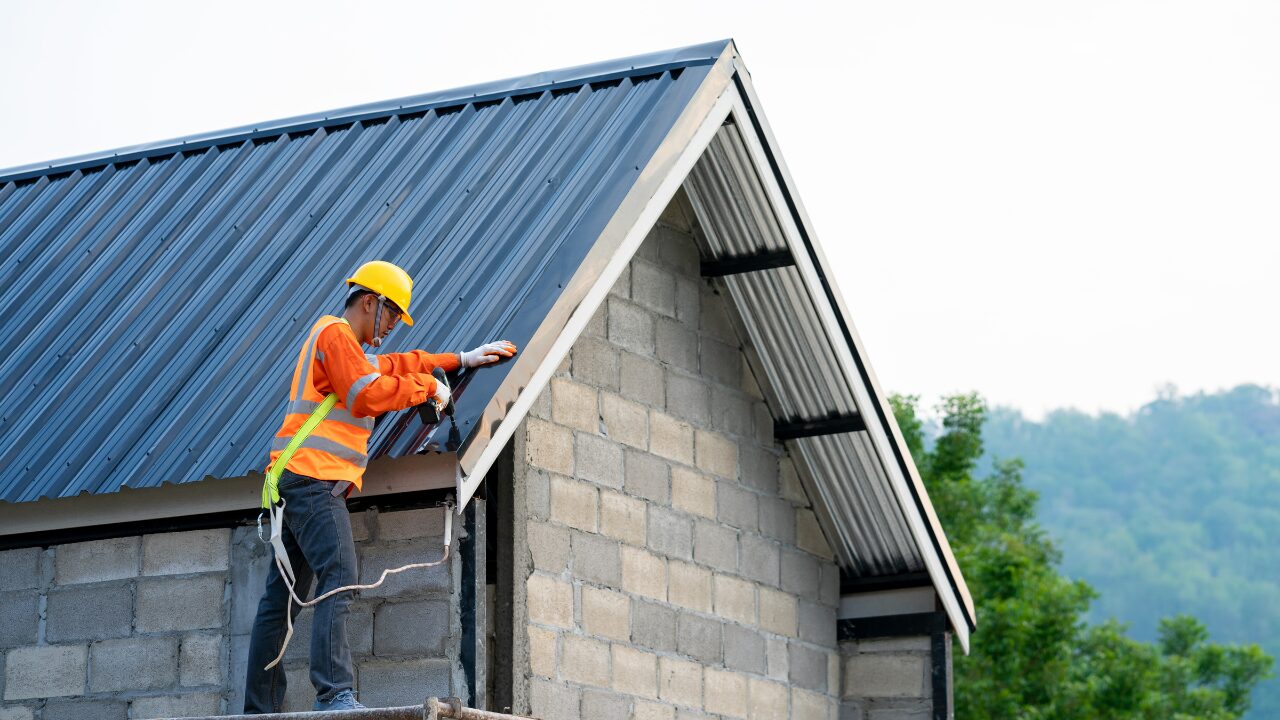
One of the most impactful ways to reduce housing costs is through the use of affordable, durable, and sustainable construction materials. As construction costs rise across the country, builders are adopting innovative methods to support affordability without compromising quality.
Cost-effective building materials include:
- Recycled steel
- Bamboo products
- Stabilised earth blocks
- Engineered timber
- Low-emission concrete
- Modular building components
Modular and prefabricated building methods reduce construction waste, speed up the building process, and lower the overall cost of new homes. These methods also reduce on-site disruption, making them ideal for accessible housing projects that require precise planning and safe installation.
Reference:
🔗 Australian Building Codes Board – Construction Innovation
https://www.abcb.gov.au/
Innovation in Affordable Sustainable Housing
Innovations in sustainable housing provide crucial solutions for affordability challenges. Examples include:
- Small-footprint apartments that maximise space
- Community housing with green infrastructure
- Shared renewable energy systems
- Passive house standards
- Land-use planning focused on accessibility
These innovations help residents live comfortably without excessive bills, contributing to long-term resilience and independence.
Government Incentives Supporting Cost-Effective Housing

Government programs and incentives play a central role in supporting sustainable and affordable building across Australia. These incentives help developers, families, and community organisations implement energy-efficient technologies that improve household comfort and reduce long-term costs.
Incentives include:
- Rebates for solar panels
- Reduced tariffs for energy-efficient appliances
- Water-saving rebates
- Grants for community sustainability projects
- Tax incentives for sustainable design upgrades
Reference:
🔗 Australian Government – Energy Efficiency Rebates
https://www.energy.gov.au/households/rebates-and-assistance
These supports make sustainable housing upgrades more accessible for low-income families, including those receiving NDIS supports. Lower utility bills allow households to focus on health, family needs, support services, and improving quality of life.
Affordable Housing and NDIS Participants
For NDIS participants, affordable housing is directly linked to independence, safety, and long-term wellbeing. When accessible homes also incorporate sustainability, the benefits multiply:
- Lower energy bills
- Reduced stress
- More predictable household budgets
- Greater control over indoor environments
- Better physical and mental health
Cost-effective housing allows NDIS participants to focus on achieving their goals rather than worrying about financial instability or unsuitable living conditions.
Examples of Cost-Effective Housing Models
Cost-effective housing solutions can include:
- Co-housing communities
- Shared supported living environments
- Modular apartments with universal design
- Eco-friendly SDA developments
- Community-led housing models
- Mixed-tenure developments
These models use smart design, shared resources, and flexible spaces to make housing more accessible and affordable for families and individuals who need consistent support.
Linking Affordability With Accessibility
Cost-effective homes must also be fully accessible for people with disability. Without accessibility, affordability loses meaning because residents may still face:
- Unsafe environments
- Limited mobility
- Barriers to daily tasks
- Higher long-term cost due to adaptations
Therefore, a truly sustainable home balances:
- Affordability
- Environmental responsibility
- Accessibility needs
- Smart planning
- Long-term resilience
This alignment ensures homes meet the diverse needs of residents today and support future generations.
Sustainable Home Design
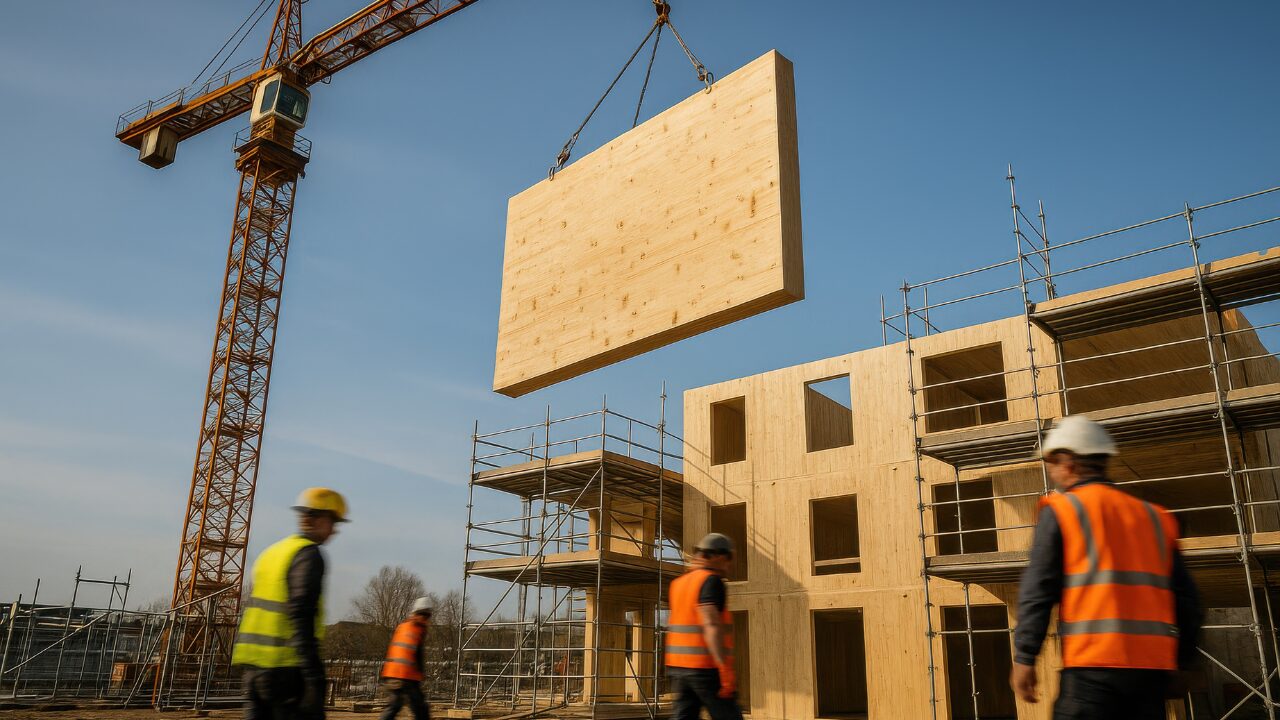
A truly sustainable home does more than reduce environmental impact. It supports comfort, independence, safety, and wellbeing for the people who live in it. For NDIS participants, sustainable and accessible housing options that combine thoughtful design, adaptability, and efficient resource use form the foundation of resilient daily living.
Sustainable home design helps reduce energy consumption, minimise waste, and lower energy costs while creating indoor environments that promote good health. When homes are designed with long-term accessibility and sustainability in mind, they support future generations, lower maintenance burdens, and enhance quality of life across entire communities.
Reference:
🔗 CSIRO – Sustainable Homes and Design Principles
https://www.csiro.au/en/research/environmental-impacts/sustainable-homes
Promoting Energy Efficiency Through Design
Energy-efficient home design is essential in modern housing, especially as climate change increases the need for cooler, healthier indoor environments. Homes that incorporate high-performance insulation, efficient natural ventilation, and passive design techniques require less reliance on air conditioning, reducing both environmental footprint and financial strain.
Energy-efficient design strategies include:
- Smart window placement for natural light
- Shading devices to reduce overheating
- Thermal mass materials to maintain indoor temperatures
- Ceiling fans as a low-energy cooling option
- Roof ventilation to reduce heat buildup
- Energy-efficient appliances
- Solar-ready roofs and wiring
Reference:
🔗 Australian Government – YourHome Energy Efficiency Guide
https://www.yourhome.gov.au/
By designing homes that require less energy to heat or cool, households can effectively reduce energy costs while promoting environmental sustainability.
Maximising Natural Light for Health and Comfort
Natural light is one of the most valuable features in a sustainable home. It helps regulate circadian rhythms, improves mental wellbeing, supports visibility, and reduces dependence on artificial lighting. For people with disability, especially those with sensory needs or visual impairments, natural light supports greater independence and comfort.
Homes that utilise natural light effectively include:
- North-facing windows (in the southern hemisphere)
- Skylights positioned for daylight optimisation
- Light-coloured reflective surfaces
- Open-plan layouts
- Wider hallways with enough space
- Window glazing to manage heat gain
Exposure to natural light has been linked to improved mood, enhanced cognitive function, and lower stress levels.
Reference:
🔗 Healthline – Benefits of Natural Light
https://www.healthline.com/health/natural-light-benefits
Integrating Water Efficiency for Long-Term Sustainability
As climate variability increases across Australia, water efficiency has become a vital part of sustainable home design. Water-efficient homes reduce reliance on municipal supply, lower household bills, and promote resilience during dry seasons.
Water-saving features include:
- Water efficient fixtures (taps, showerheads, toilets)
- Greywater recycling systems
- Rainwater tanks for garden use
- Drip irrigation for landscaping
- Smart water meters to monitor household use
Reference:
🔗 Water Efficiency Labelling and Standards (WELS) – Australian Government
https://www.waterrating.gov.au/
These features create environmentally responsible and cost-effective housing that can better withstand the pressures of drought and rising temperatures.
Accessible and Adaptable Home Design
Sustainable housing is incomplete without accessibility. The design must ensure that NDIS participants and residents with disability can move safely, complete daily tasks, and maintain independence.
Universal design principles focus on removing barriers from the start rather than modifying homes later, which is often more expensive.
Accessible design includes:
- Step-free entrances
- Wide doorways and hallways with enough space for mobility aids
- Lever handles instead of knobs
- Smooth flooring transitions
- Reinforced walls for future rail installations
- Lowered benchtops for cooking independence
- Accessible storage and laundry areas
- Emergency exits designed for easy access
Reference:
🔗 Livable Housing Australia – Livable Design Standards
https://ncc.abcb.gov.au/your-building-class/livable-housing-guidelines
Accessible homes support independence, safety, and participation by allowing residents to carry out household activities with reduced reliance on support workers.
Adaptable Home Features for Changing Needs
Adaptability ensures a home can evolve alongside the resident. As life circumstances change, a well-designed home can support increasing or decreasing needs without major renovation.
Adaptable home features include:
- Removable cabinetry for wheelchair access
- Reinforced bathroom walls for future grab rails
- Flexible room layouts that can convert for support provider overnight stays
- Smart-home systems for lighting, security, and communication
- Modular shelving and storage
These features extend the lifespan of a home and allow it to grow with the resident’s needs.
Safe and Secure Home Environments
Safety is a foundational component of sustainable home design. For residents with disability, especially those with mobility challenges or sensory disabilities, safety features are essential for wellbeing.
Common safety-focused features include:
- Slip-resistant flooring
- Even pathways around the property
- Outdoor lighting for visibility
- Window locks for security
- Non-toxic, low-emission paints and materials
- Emergency call systems
- Fire-resistant building materials
For help with navigating the NDIS and coordinating support, consider working with a support coordinator.
Reference:
🔗 Australian Building Codes Board – Residential Safety Standards
https://www.abcb.gov.au/
Safe home environments reduce accidents, prevent injuries, and create spaces where residents feel confident to navigate daily life.
Climate-Resilient Home Designs
A climate-resilient sustainable home is built to withstand extreme heat, storms, and environmental pressures. As climate change increases the frequency of extreme events, resilient housing must be a priority for Australian communities.
Features of climate-resilient design include:
- Bushfire-resistant building materials
- Flood-resilient floor levels
- Wind-resistant roofing
- Stormwater management systems
- Shaded outdoor areas
- Heat-resistant landscaping
- Energy backup systems for medical devices
Reference:
🔗 Climate Council – Climate-Ready Homes
https://www.climatecouncil.org.au/
For NDIS participants, climate resilience ensures long-term safety, stability, and consistent access to essential supports.
The Role of Space, Layout, and Functionality
Space plays a powerful role in accessibility and sustainability. A thoughtfully planned layout that includes adequate circulation space enhances independence and makes daily tasks easier.
Functional sustainable design includes:
- Open-plan living
- Multi-purpose rooms
- Smooth flow between cooking, laundry, and living spaces
- Natural ventilation
- Accessible bathrooms with wide turning circles
- Zones for support workers when needed
A spacious, functional layout supports autonomy, reduces accidents, and allows the home to evolve as needs change.
Choosing Responsible Building Materials
Selecting responsible building materials is essential to long-term sustainability. Materials should be durable, low-maintenance, and environmentally friendly.
Examples include:
- Recycled timber
- Low-VOC paints
- Eco-friendly insulation
- Recycled steel
- High-efficiency glass
- Environmentally sourced flooring
These choices reduce environmental impact, improve indoor air quality, and support comfort and wellbeing.
Connecting Sustainable Home Design to NDIS Quality
The NDIS Quality and Safeguards Framework encourages providers to support housing that enhances safety, independence, and wellbeing. Sustainable home design aligns with these standards by creating environments that maintain dignity, reduce hazards, and support participation.
Reference:
🔗 NDIS Quality and Safeguards Commission
https://www.ndiscommission.gov.au/
Homes built with universal design and sustainability in mind give residents more control over daily routines and long-term goals.
Built Environment and Housing
The built environment plays an essential role in shaping how people live, work, move, and participate in the community. In Australia, housing design is increasingly influenced by sustainability, accessibility, and the need to create resilient communities that cater to people of all abilities. The built environment determines how safe, comfortable, and inclusive a neighbourhood can be, especially for residents with disability who rely heavily on thoughtful design to support daily independence.
Urban planners, developers, architects, and support providers are now recognising that sustainable and accessible housing options are not only vital for the environment but necessary to ensure that every resident can access essential services, enjoy public spaces, and participate in community life without barriers. A well-designed built environment promotes better health, improves quality of life, reduces long-term cost, and strengthens community cohesion.
Reference:
🔗 Australian Government – Built Environment and Liveability
https://www.infrastructure.gov.au/
Designing Cities for Accessibility and Inclusion
Accessibility is one of the most important features of a modern built environment. A city or neighbourhood that is difficult to navigate can significantly limit opportunities for residents with disability, affecting employment, education, transport, healthcare access, and social participation.
Key accessibility features in the built environment include:
- Smooth, level pathways
- Ramps instead of stairs
- Clearly marked crossings
- Adequate space for assistive devices
- Accessible bus stops and train stations
- Tactile surfaces for low-vision guidance
- Natural light in public spaces
- Shaded seating areas
- Community buildings designed with universal access
When the built environment removes physical and sensory barriers, residents gain consistent and equal access to community life, reducing social isolation and improving wellbeing.
Reference:
🔗 Centre for Universal Design Australia
https://universaldesignaustralia.net.au/
Urban Planning that Promotes Sustainability
Urban planning influences how sustainable future communities will be. Cities that integrate sustainability in their planning reduce energy consumption, protect biodiversity, and promote environmentally responsible construction practices.
Sustainable planning features include:
- Green corridors and nature strips
- Bike lanes and active transport pathways
- Public gardens and trees for shade
- Community-friendly gathering areas
- Energy-efficient buildings
- Water-sensitive urban design
- Stormwater management systems
- Mixed-use developments for easier access to shops and services
These features support resilience and sustainability while reducing the environmental impact of dense urban living.
Reference:
🔗 Australian Institute of Landscape Architects – Sustainable Urban Design
https://www.aila.org.au/
Strengthening Housing Through Sustainable Infrastructure
Housing is deeply connected to local infrastructure. When infrastructure is stable, accessible, and sustainable, housing becomes safer and more reliable for residents. Infrastructure includes transport systems, water supply, power networks, waste management, and community facilities.
Key infrastructure improvements that support sustainable housing include:
- Accessible pathways connecting homes to shops and health services
- Energy-efficient street lighting
- Safe stormwater drains
- Community recycling programs
- Renewable energy zones
- Water conservation tanks in neighbourhoods
- Emergency shelters and safe community locations
These systems support long-term sustainability and make neighbourhoods more inclusive for residents with disability.
Reference:
🔗 CSIRO – Sustainable Infrastructure
https://www.csiro.au/
Green Spaces and Public Environments that Support Wellbeing
Green spaces have a powerful impact on wellbeing, especially for residents with disability and older populations. Access to parks, nature trails, shaded picnic areas, and community gardens promotes emotional health, physical activity, relaxation, and social connection.
Features of sustainable green spaces include:
- Shaded walking paths with enough space for mobility aids
- Seating areas with backrests and armrests
- Accessible public toilets
- Water-efficient plants
- Sensory gardens for residents with cognitive or sensory needs
- Community food gardens
- Wildlife-friendly habitats that support biodiversity
Public spaces designed with accessibility and sustainability in mind promote independence and enjoyment for the majority of residents while reducing environmental impact.
Reference:
🔗 Beyond Blue – Mental Health Benefits of Green Spaces
https://www.beyondblue.org.au/
Housing Design That Supports Daily Independence
Housing design must support daily routines such as cooking, cleaning, laundry, hygiene, and sleep. For NDIS participants, independence relies heavily on the usability and functionality of living spaces. Homes that are well integrated into the built environment allow people to easily reach shops, workplaces, community centres, and healthcare facilities.
Important design considerations for independence include:
- Accessible kitchens designed for mobility
- Lowered benches and adjustable shelves
- Smart appliances with safety controls
- Open-plan layouts for easier movement
- Noise reduction features
- Accessible gardens and outdoor areas
- Secure home entry systems
- Assistive technology integration
A connected built environment gives residents greater control over their daily routines, improving confidence and autonomy.
Safety as a Foundation of the Built Environment
Safety is a central concern in housing and urban design, particularly for people with disability. Safety risks increase when neighbourhoods lack proper lighting, smooth pathways, or protected walking areas.
Safety-enhancing features include:
- Slip-resistant pavements
- Adequate street lighting
- Accessible emergency exits
- Safe pedestrian crossings
- Traffic-calming road design
- Community watch programs
- Secure building entry points
- Clear signage and wayfinding
Reference:
🔗 Safe Work Australia – Safe Design Principles
https://www.safeworkaustralia.gov.au/
When safety is embedded in the built environment, residents feel more secure and supported when moving through their community.
Innovation in Sustainable and Accessible Housing
Innovation plays an important role in transforming the built environment. New technologies, smart systems, and advanced materials make homes more accessible, safer, and more efficient.
Innovative approaches include:
- Smart-home automation
- Renewable energy integration
- Heat-reflective building materials
- Modular construction
- Community solar projects
- Electric vehicle charging stations
- Digital monitoring systems for support needs
- Adaptable room designs
Innovation ensures the built environment evolves to meet growing demands, climate challenges, and accessibility needs for future generations.
Reference:
🔗 Green Building Council of Australia – Innovation in Sustainable Design
https://new.gbca.org.au/
Community Planning That Supports Inclusion
Community planning is a critical part of the built environment. Communities designed with accessibility, sustainability, and affordability in mind are more welcoming and inclusive for people with disability.
Inclusive community planning emphasises:
- Proximity to essential services
- Access to employment hubs
- Public transport routes
- Safer walking and cycling paths
- Housing developments that support mixed incomes
- Schools, healthcare facilities, and recreation areas nearby
- Accessible community centres
- Public seating and cooling areas
When planning integrates accessibility and sustainability from the start, neighbourhoods become healthier, more resilient, and more empowering for all residents.
How the Built Environment Supports NDIS Participants
Housing is deeply influenced by the quality of the built environment. For NDIS participants, supportive environments promote independence, reduce isolation, and increase community participation.
The built environment supports NDIS goals by ensuring:
- Homes are located near support networks
- Services are accessible within the neighbourhood
- Transport options are reliable
- Public spaces are safe and inclusive
- Housing options cater to disability needs
- Residents can participate in social and economic life
Sustainable and accessible environments uplift entire communities and help residents thrive with dignity, autonomy, and security.
Re.Connect Support Services Providing Support for Homes
Re.Connect Support Services understands that housing is not simply about a structure or a building. It is a foundation for life, independence, safety, and wellbeing. For NDIS participants across Australia, accessing sustainable and accessible housing options can be transformative — opening the door to improved daily living, increased community participation, strengthened relationships, and greater control over personal goals.
At Re.Connect Support Services, we believe that every person deserves a home that supports their needs, values their dignity, and prepares them for the future. We work closely with participants, families, planners, and community networks to help individuals navigate Australia’s complex housing landscape, ensuring they receive the support and information needed to make informed decisions.
Supporting Participants Through the NDIS Housing Journey
Finding the right home can be a challenging process, especially when considering the layers of accessibility, affordability, sustainability, and personal preferences. Many participants require guidance to explore their options, understand funding categories, and navigate the broader NDIS Quality and Safeguards Framework.
Re.Connect Support Services helps participants with:
- Understanding NDIS housing categories
- Navigating Specialist Disability Accommodation (SDA)
- Exploring rental options and tenancy support
- Identifying sustainable housing locations
- Connecting with housing providers
- Preparing reports and documentation
- Support coordination for long-term planning
- Linking participants with allied health professionals
- Ensuring homes meet accessibility and safety standards
- Advocating for housing that supports independence
Our team collaborates closely with community organisations, affordable housing providers, and supported living environments to ensure participants can access the right housing at the right time.
Reference:
🔗 NDIS – Home and Living Supports
https://www.ndis.gov.au/participants/home-and-living
Providing Guidance on Sustainable and Accessible Housing Options
Re.Connect understands the importance of sustainability, energy performance, and long-term cost efficiency for both participants and their families. Many individuals with disability face higher energy costs due to medical equipment, mobility needs, temperature regulation challenges, and daily support routines. For this reason, we help participants explore homes that integrate:
- Energy efficient appliances
- Passive cooling and heating
- Ceiling fans
- Naturally lit spaces
- Adequate ventilation
- Water efficient fixtures
- Gardens and accessible outdoor areas
- Community-friendly, walkable neighbourhoods
- Low-maintenance design
- Universal home layouts with enough space for mobility aides
Through education and planning, Re.Connect empowers participants to choose homes that support both sustainability and long-term independence.
Assistive Technology and Home Modifications Support
For many participants, even the best-designed sustainable home requires additional modifications to suit their individual disability needs. Re.Connect works with occupational therapists, builders, and support networks to arrange modifications such as:
- Ramps and step-free pathways
- Accessible bathrooms
- Mobility-friendly laundry and cooking areas
- Reinforced walls for support rails
- Smart-home systems for lighting and safety
- Low-height counters and adjustable shelving
- Sensory-friendly room designs
- Widened hallways and doorframes
These modifications help ensure the home caters to the resident’s needs and evolves with them over future generations.
Reference:
🔗 NDIS – Home Modifications
https://www.ndis.gov.au/participants/home-and-living/home-modifications
Helping Participants Explore Affordable and Cost-Effective Housing
Affordable housing is a critical need for thousands of Australians, especially people with disability who may face financial barriers, employment limitations, and inconsistent access to supports. Re.Connect Support Services helps participants understand and access:
- Community housing
- Social housing
- Shared living arrangements
- Private rental supports
- SDA enrolment and eligibility
- Cost-effective, sustainable apartments or homes
- Housing with low energy consumption
- Locations with essential services nearby
We incorporate the participant’s goals, lifestyle needs, medical requirements, and preferences for environment, safety, and community access when identifying the right home.
Reference:
🔗 Australian Institute of Health and Welfare – Housing Affordability
https://www.aihw.gov.au/reports/housing-assistance/housing-affordability
Bridging the Gap Between Sustainability, Accessibility, and Support
Re.Connect’s approach is grounded in the belief that sustainability and accessibility are not luxuries. They are essential components of responsible, future-ready housing that supports the wellbeing, safety, and independence of NDIS participants.
Our team ensures that participants receive education and practical guidance on:
- Choosing sustainable home features
- Understanding energy ratings
- Reducing waste and utility bills
- Planning home environments for independence
- Ensuring homes meet universal design principles
- Working with sustainable property developers
- Identifying low-risk, climate-resilient housing
- Connecting with local services and community groups
With the right support, participants and their families can confidently navigate a system that often feels overwhelming or inaccessible.
Promoting Community, Connection, and Quality of Life
Beyond the physical structure of the home, Re.Connect focuses on community integration and sustained quality of life. We ensure that participants are connected to:
- Community centres
- Local activities
- Education and employment options
- Transport networks
- Advocacy groups
- Cultural and recreational spaces
A supportive community enhances resilience, belonging, and long-term growth. Housing that fosters connection contributes to mental health, stability, and independence.
How Re.Connect Leads Support in the Housing Ecosystem
Re.Connect Support Services provides leadership in navigating the intersection of disability, sustainability, and accessible housing. Our strengths include:
- Highly trained support coordinators
- Ethical and person-centred planning
- Strong understanding of the built environment
- Knowledge of accessible construction principles
- Partnerships with sustainable housing providers
- Guidance on NDIS housing pathways
- Advocacy for participant rights and choice
- Ongoing support through every stage of the housing journey
Our mission is simple:
To help every participant find a home that supports their dignity, aspirations, and independence while promoting sustainable living for future generations.
Conclusion: A Better Housing Future for All
The path to sustainable, affordable, and accessible housing requires collaboration across government, NDIS systems, families, communities, and service providers. Sustainable and accessible housing options are essential for creating neighbourhoods of inclusion, resilience, and opportunity.
Re.Connect Support Services is committed to walking this journey with every participant — helping them secure housing that supports their goals, promotes independence, and meets the evolving needs of future generations.
Through sustainability, accessibility, thoughtful planning, and community empowerment, we can create a world where every person has a safe, secure, affordable home that truly supports their life.
The Impact of More People on Housing
Australia’s population is steadily increasing, and with this growth comes a significant challenge: ensuring there are enough affordable and sustainable housing options for everyone, including people with disability. As more people seek homes, the demand for housing rises, putting pressure on both the availability and affordability of suitable properties. This surge in demand can lead to higher energy costs, greater energy consumption, and increased strain on existing infrastructure.
The Australian Impact
For many Australians, especially those living with disability, the need for sustainable housing is more urgent than ever. Sustainable housing not only helps reduce energy costs through improved energy efficiency, but also supports long-term wellbeing by minimising environmental impact and creating healthier living environments. Features such as energy-efficient appliances, well-insulated buildings, and smart design can significantly lower household energy consumption, making homes more affordable to run and more comfortable to live in.
The NDIS Role
The National Disability Insurance Scheme (NDIS) plays a vital role in addressing these challenges by supporting the development and access to specialist disability accommodation (SDA). SDA is designed to meet the unique needs of people with disability, offering accessible layouts, energy-efficient features, and support services that promote independence and quality of life. As the population grows, the NDIS and its network of support providers are essential in ensuring that new housing developments are not only affordable and accessible, but also sustainable for future generations.
By prioritising sustainable housing solutions and integrating energy-efficient practices, Australia can better manage the impact of a growing population on the housing market. This approach helps keep energy costs manageable, reduces overall energy consumption, and ensures that people with disability have access to the services and support they need to thrive in a changing world.