
Introduction To Reporting NDIS Provider Responsibilities
Understanding the responsibilities of a reporting NDIS provider is essential for maintaining quality and safety within the National Disability Insurance Scheme. Every NDIS provider delivering supports or services to NDIS participants must follow strict NDIS quality and safeguards rules to protect people with disability.
This guide explains how registered NDIS providers should identify a reportable incident, how to report it to the NDIS Commission, and how individuals can make a complaint if they are concerned about services or safety.
When providers follow the correct reporting processes, they help maintain integrity, strengthen compliance, and ensure participants feel safe receiving their NDIS supports.
For official guidance on incident reporting, providers can review the NDIS Commission resources here:
https://www.ndiscommission.gov.au
Overview Of A Reportable Incident

A reportable incident is an event or allegation connected to NDIS supports or services that involves serious risk, harm, or misconduct toward a participant. Every concern matters, as it helps build a clearer picture of risks across the sector.
Examples of incidents that must be reported include:
- Death of a participant receiving services
- Serious injury or harm
- Sexual activity involving a worker and a participant
- Neglect or abuse
- Use of an unauthorised restrictive practice
- Inappropriate physical contact
For example, if a worker uses restraint that is not authorised under a behaviour support plan, this may be a reportable incident. You don’t have to tell the NDIS Commission your name when you report an issue or concern.
NDIS participants have the right to receive respectful, high-quality NDIS supports and services that adhere to the Code of Conduct.
The purpose of reporting incidents is to ensure NDIS participants receive safe supports and services and that risks are identified quickly. You can resolve some concerns by raising them directly with your provider, which can help you find a quick solution.
More information is available here:
https://www.ndiscommission.gov.au/providers/reportable-incidents
Who Must Notify As A Registered NDIS Provider
All registered NDIS providers must notify the NDIS Commission when a reportable incident occurs.
This obligation applies when the provider becomes aware of an incident involving:
- services delivered under an NDIS plan
- supports provided by staff
- incidents affecting a participant
- incidents involving supports or services
Even if the incident is only alleged, the provider must still report it.
Providers must also maintain their own incident management system to document events and ensure incidents are reviewed internally.
These requirements help maintain quality, protect participant safety, and strengthen NDIS quality standards.
Reportable Incident Timeframes And Notification Steps

When a provider becomes aware that a reportable incident has happened, they must notify the NDIS Commission within strict timeframes.
Serious incidents such as death, assault, or major injury must be reported within 24 hours.
Some matters involving a restrictive practice may allow reporting within 5 business days.
To meet compliance requirements, providers should:
- Record when the provider became aware of the incident
- Assess the risk to the participant
- Ensure the person is safe
- Start an internal investigation
- Submit the required form
These steps ensure providers act quickly to protect people receiving NDIS supports.
How To Report To The NDIS Commission

The NDIS Commission allows providers to submit incident notifications online.
Providers can submit a report using the official reporting form:
https://www.ndiscommission.gov.au/providers/reportable-incidents
If providers need assistance, they can contact the NDIS Commission by phone.
NDIS Commission phone number:
1800 035 544
The line is open Monday to Friday during business hours.
Individuals using the National Relay Service can also access support if communication assistance is required.
When submitting reports, providers should include information such as:
- what happened
- when the incident occurred
- who was involved
- actions taken to protect the participant
- evidence collected during the investigation
Clear records help the Commission review incidents and protect NDIS participants. A conflict of interest arises when an individual or organisation has the chance to prioritise their own interests over those of the person they are meant to support.
When conflicts of interest are not properly managed, they can jeopardize a participant’s safety and restrict their choice and control. Examples in the NDIS provider market include influencing decisions, limiting participant choice, or one provider managing multiple supports within a participant’s NDIS plan.
How To Make A Complaint About NDIS Services

If someone is concerned about the supports and services they are receiving, they should first raise the concern with the NDIS provider delivering the support.
Providers are expected to investigate concerns and try to resolve issues quickly.
If the complaint cannot be resolved, individuals can make a complaint directly to the NDIS Commission.
The Commission provides guidance for submitting complaints here:
https://www.ndiscommission.gov.au/complaints
Complaints may relate to:
- poor service quality
- worker misconduct
- neglect
- participant harm
- non compliance with NDIS rules
Complaints can be submitted by participants, family, carers, advocates, or members of the community. Submitting a reportable incident is a condition of every NDIS provider’s registration as per the NDIS Quality and Safeguards Rules.
Failure to report a reportable incident within the required timeframes is a contravention of the NDIS Act and could lead to compliance actions.
What The NDIS Commission Can Do

The NDIS Commission investigates complaints and incidents to protect participants and maintain quality and safety across the NDIS sector.
When a complaint or report is received, the Commission may:
- request further information from the provider
- review incident records
- conduct an investigation
- monitor the provider’s response
- issue enforcement action
If serious non compliance occurs, the Commission may issue an infringement notice or take regulatory action.
These processes ensure providers meet their obligations and maintain NDIS quality and safeguards standards.
Supports And Services And The NDIS Plan

A reportable incident may affect a participant’s NDIS plan and their ongoing NDIS funding.
If an incident impacts the person’s ability to receive support safely, providers should notify the support coordinator or relevant parties, who play a key role in helping participants navigate and implement their NDIS plan.
This ensures the participant’s supports provided continue safely.
In some situations, additional supports and services, such as capacity building supports to strengthen independence and skills, may need to be arranged to protect the person’s wellbeing.
Providers must prioritise participant safety, maintain service continuity, and communicate clearly with everyone involved.
Consequences Of Non Compliance By NDIS Providers
Failure to report incidents correctly can lead to serious consequences for NDIS providers.
Examples of non compliance include:
- failing to report a reportable incident
- ignoring complaints
- failing to maintain an incident management system
- failing to protect participant safety
These failures can lead to regulatory penalties and damage to a provider’s reputation.
Providers must remain committed to high standards of quality, transparency, and compliance, especially when supporting people facing complex challenges such as homelessness and housing instability in the community.
Using The NDIS Logo As A Registered Provider
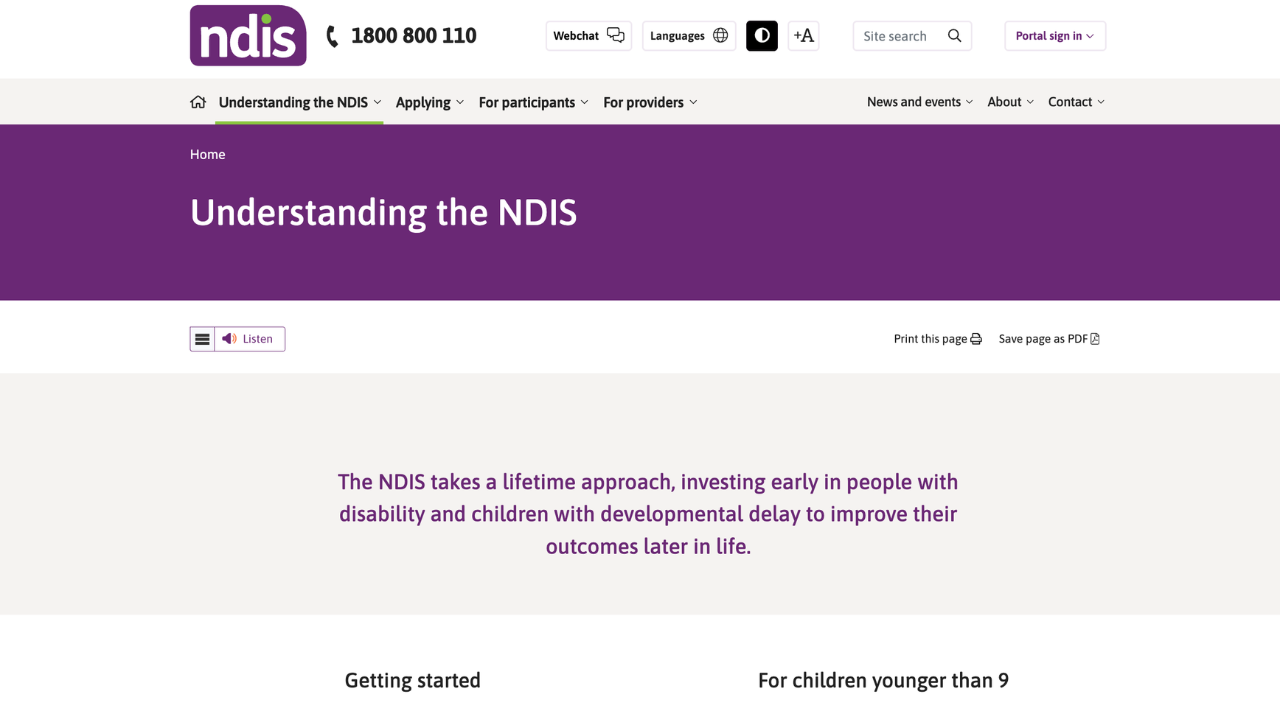
Providers must follow strict rules when using the NDIS logo.
The logo should only be used by registered NDIS providers and must accurately represent registration status.
Misleading use of the NDIS logo may be considered a breach of guidelines and may lead to compliance action.
Providers should ensure branding, websites, and marketing materials clearly reflect their registration status.
Incident Management And Recordkeeping
Every provider should maintain a strong incident management system.
A well designed incident management system should:
- record all incidents
- track investigations and progress
- document actions taken
- maintain secure records
- identify improvements
These systems support quality, improve service outcomes, and protect NDIS participants.
Providers should regularly review their systems to ensure they meet current NDIS quality and safeguards requirements.
Resources And Next Steps For NDIS Providers
Useful resources for providers include:
NDIS Commission official website
https://www.ndiscommission.gov.au
Reportable incident guidance
https://www.ndiscommission.gov.au/providers/reportable-incidents
NDIS complaints process
https://www.ndiscommission.gov.au/complaints
These resources help providers understand compliance obligations and reporting procedures.
Supporting Providers Through The NDIS System

At Re.Connect Support Services, a community-based support organisation, we understand how complex the NDIS system can be for providers and participants.
Our team works with NDIS participants, support coordinators, and families to ensure people receive the right supports, understand their NDIS plan, and feel confident navigating the NDIS with a registered NDIS provider.
We are committed to maintaining quality, protecting participant safety, and supporting people to reclaim independence and improve quality of life for people living with disability.
If you have questions about supports, reporting processes, or how to navigate NDIS services, our team is here to help.