
Why this guide matters
These ndis fraud prevention tips are for both an ndis participant and any ndis provider that wants to protect ndis funds, ndis supports, and trust in the National Disability Insurance Scheme. Fraud prevention protects real people, real services, and the long-term integrity of the scheme.
The goal of fraud prevention

Good ndis fraud prevention helps participants keep access to the supports they rely on, and helps providers strengthen compliance, documentation, and safer business practices. It is not only about catching fraudsters after harm has happened. It is also about building systems that prevent fraud, detect problems early, and respond properly.
Understanding NDIS fraud
What NDIS fraud means
Understanding ndis fraud starts with a simple idea: ndis fraud is when someone intentionally misuses ndis funds, records, consent, identities, or claims for unfair gain. That can include false invoices, supports never delivered, fake records, or dishonest use of participant information.
To verify providers, ensure they are registered with the NDIS, check their credentials, and read reviews before engaging services.
Conduct rigorous staff screening and implement training to recognize fraud red flags such as pressure to backdate services.
Why it matters to participants
For an ndis participant, fraud can reduce the money available in an ndis plan, disrupt support, damage participant choice, and create stress for families and carers. When fraud affects the system, it can also delay access to legitimate supports and weaken trust in the whole NDIS Core Supports Budget framework.
Why it matters to providers
For providers, fraud and non compliance can lead to audits, debt recovery, referrals, enforcement action, and even prosecution. The NDIA says it may reclaim debts or refer matters for prosecution, while the ndis commission can take compliance and enforcement action where needed.
The bigger enforcement picture
The NDIA says the Fraud Fusion Taskforce was created to find and stop fraud in the NDIS and government payment programs, and it says participants and providers should continue to report suspected fraud for the taskforce to investigate. That is part of a broader new system focused on strengthening payment integrity and stopping dodgy providers from taking advantage of people with disability.
Red flags to recognise quickly

Why red flags matter
The easiest way to prevent fraud is to learn the common red flags early. If something feels wrong, pause, check the records, preserve the evidence, and do not keep processing payments automatically.
Claims for services not delivered
One of the clearest warning signs is a claim for support that never happened, especially as NDIS policy updates in 2024 continue to tighten rules around evidence and billing. Phantom shifts, duplicate invoices, or backdated claims that do not match rosters or notes are classic examples of fraudulent activity.
Pressure, gifts, or kickbacks
Be cautious when gifts, rewards, or pressure are used to influence participant choice. These tactics can undermine free decision-making and are a major warning sign, especially when a participant feels pushed toward one provider or told not to question the process.
Repeated or unusual billing patterns
Repeated identical invoices, fixed billing despite changing rosters, or odd timing around paid services can point to fraud and non compliance. Reconcile invoices against shift records, service notes, and participant confirmations.
Identity and consent concerns

Mismatched personal details, unclear authority, or weak consent records are also red flags. Identity and consent should be checked before delivery begins, and dated records should be kept so the organisation can show what was agreed and when.
Always create a written service agreement to clarify services, costs, and frequency of support, ensuring compliance with Australian Consumer Law.
Misleading provider marketing
Promises of “free” supports, guaranteed approvals, or unrealistic outcomes should trigger caution. These claims can be part of scams or misleading conduct, especially when the provider cannot back them up with proper registration, insurance, or clear service terms.
If you suspect fraud, report it to the NDIS Fraud Reporting and Scams Helpline at 1800 650 717 or via email at fraudreporting@ndis.gov.au.
Choosing reputable NDIS providers
Check registration and compliance history
When choosing providers, verify whether they are registered and whether there are current compliance actions recorded against them. The Commission says enforcement actions can be searched on the Provider Register and related compliance-action pages.
NDIS providers must maintain accurate and up-to-date records of all services provided.
Review service agreements carefully
Clear service agreements are one of the simplest protections for both participants and providers. They help explain what support is being delivered, including NDIS travel and transport support, how much is being charged, and what each party has agreed to.
Use extra caution with dodgy providers
If a provider avoids paperwork, pressures quick decisions, discourages questions, or makes inflated claims, treat that as a warning sign. Dodgy providers often rely on confusion, urgency, or poor record-keeping to hide risk.
Best practices for NDIS providers

Reconcile claims and invoices routinely
A strong provider should routinely compare claims, invoices, rosters, notes, and participant confirmations. This is one of the most practical fraud prevention controls for reducing billing mistakes and deliberate misuse.
Train staff on the NDIS Code
The ndis code of conduct and the Commission’s fraud guidance make it clear that providers need systems, people strategies, and workplace culture that minimise fraud risk. Staff need to know how to spot red flags, preserve records, and escalate concerns early, including around specialised supports such as NDIS nutritional support services.
Build a simple internal reporting pathway
Every provider should have a clear internal path for escalation. If staff see suspicious behaviour, they should know who to contact, what to preserve, and how to report concerns without fear or confusion.
Protect data and original records
Do not alter records after the fact. Preserve originals, timestamps, emails, screenshots, and booking notes. Good data protection and record control make it easier to investigate concerns and prove legitimate service delivery.
NDIS fraud prevention strategies for participants
Check your plan and invoices

Participants should compare invoices and booked supports against what was actually delivered under the plan. If something does not match, ask questions early. A plan manager can help review records when the situation is unclear, and manage NDIS funding effectively so supports align with goals and budget by using different NDIS plan management approaches.
Always maintain transparent invoicing that accurately reflects the services delivered. Maintaining detailed records of services received, including dates, times, and staff signatures, is essential for comparison against invoices before payment.
Use support people when unsure
Trusted supporters can help. The NDIA says a friend, nominee, plan manager, provider contact, support coordinator, or Local Area Coordinator can lodge a report on someone’s behalf. This can make the process safer for self managed participants and others who feel uncertain or overwhelmed.
Review budget statements monthly to identify discrepancies such as “phantom billing” or payments for services not delivered.
Common red flags that may indicate fraudulent activity include suspicious billing and pressure tactics, and support coordination to maximise NDIS funding can help participants identify and respond to these issues early.
Stay informed about scams
Staying informed matters because scammers adapt quickly. Scamwatch says scams are everywhere, look like the real thing, and often try to get your money, personal details, or trust when you are busy or not expecting contact.
Reporting NDIS fraud and scams

Use official NDIS fraud reporting channels
The NDIA says ndis fraud reporting can be done online through the fraud tip-off form or by phone through the Scams Helpline on 1800 650 717, Monday to Friday. This is the main pathway for fraud tip offs, tip offs, and other reports of suspected fraud or fraud and non compliance.
Preventing fraud within the National Disability Insurance Scheme (NDIS) requires active monitoring of plans, careful selection of providers, and vigilance regarding personal information.
What to include in a report
The NDIA says to include as much information as possible, including names, dates, service agreements, invoices, receipts, bank statements, and why the behaviour looks suspicious. Strong evidence makes it easier to investigate.
Suspect invoices that lack detail, contain errors, or charge more than the agreed price for services. The NDIS aims to empower participants through choice and control, but fraud threatens this goal.
Anonymous reporting and follow-up
You can report anonymously through the online form, but the NDIA says anonymous reports can limit follow-up because it may not be able to ask for more information later. If you already reported once, keep the reference number and quote it when adding more details.
It is crucial to protect personal information by never sharing myGov, NDIS portal login, or personal identification details with service providers.
Role of the NDIS Commission and Safeguards Commission
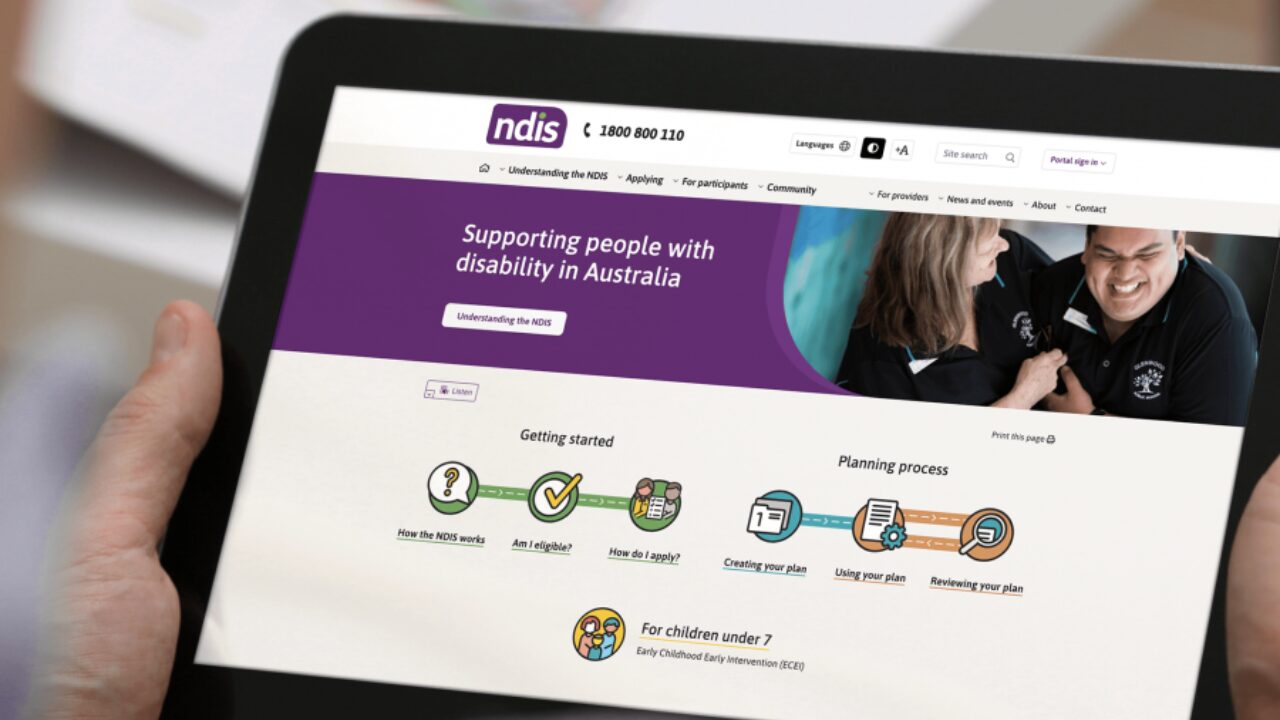
What the Commission does about NDIS Prevention Tips
The ndis commission, also called the safeguards commission, regulates registered providers, handles complaints, and works to improve ndis quality, participant safety, and provider conduct. If your concern is about safety or the quality of supports and services, the Commission is the right place to report it.
Conclusion: practical prevention every dayci

The most useful ndis fraud prevention tips are simple: know the red flags, check invoices, protect records, use clear service agreements, and report concerns quickly when something feels off. Fraud can happen anywhere, but better awareness, stronger compliance, and faster reporting help protect participants, providers, and the system they all rely on. For extra help, use the NDIA’s fraud page, the fraud reporting form, the Commission’s fraud guidance, and Scamwatch.