
Quick Answer: What Are the Most Common NDIS Application Mistakes to Avoid?
The most common NDIS application mistakes to avoid include many of the most frequent mistakes such as providing insufficient supporting evidence, misunderstanding eligibility criteria, choosing the wrong plan management option, failing to prepare for NDIS planning meetings, and not seeking guidance from support coordinators or plan managers. Avoiding these mistakes improves approval outcomes, reduces delays, and helps participants receive the right supports from the National Disability Insurance Scheme (NDIS).
Learn more about the NDIS application process on the official NDIS website:
https://www.ndis.gov.au/applying-access-ndis
Key Takeaways for Applicants

- Strong medical and functional evidence is essential
- Understanding your NDIS plan and management options prevents costly mistakes
- Support coordination improves outcomes and reduces service gaps
- Budget mismanagement leads to missed opportunities
- Regular plan reviews keep supports aligned with ongoing needs
- Preparation and clear communication matter at every stage of the NDIS journey
Introduction to the NDIS
The National Disability Insurance Scheme (NDIS) provides vital support for Australians living with disability. It funds a broad range of supports designed to assist with daily life, independence, and long-term wellbeing.
https://www.ndis.gov.au
While the disability insurance scheme NDIS is designed to be participant-focused, the system can feel complex, particularly during the application stage.
Many applicants experience delays or unsuccessful outcomes not because they are ineligible, but due to small errors, missing documentation, or misunderstandings about how the NDIS system works.
This guide explains the most frequent NDIS application mistakes to avoid and highlights common mistakes, providing guidance on ow to navigate the process with confidence.
Understanding How the NDIS System Works
The NDIS is an insurance-based system, not a welfare payment.
Funding decisions are based on how a person’s disability affects their ability to complete daily tasks, manage daily life, and participate in the community.
Understanding this principle early helps applicants avoid common misunderstandings during the application process.
Official guidance on eligibility can be found here:
https://www.ndis.gov.au/applying-access-ndis/am-i-eligible
What an NDIS Plan Covers
An NDIS plan outlines the supports provided to a participant over a set period.
Plans typically include funding for:
- Core supports
- Capacity building supports
- Support coordination
Each plan also specifies how funding is managed. For practical advice on managing your NDIS funding, see these essential tips.
You can read more about using your NDIS plan here:
https://www.ndis.gov.au/participants/using-your-plan
Understanding Plan Management Options
Choosing the right plan management option is critical.
Participants can choose between:
Self Managed
You manage providers, invoices, and payments yourself.
Plan Managed
A plan manager pays providers and helps track budgets on your behalf.
NDIA Managed
The NDIA pays registered NDIS providers directly.
Each option offers different levels of flexibility.
The NDIS explains plan management options in detail here:
https://www.ndis.gov.au/participants/using-your-plan/ways-manage-your-funding
Why Support Coordination Matters

Support coordination helps participants understand their plan and navigate the NDIS system.
Support coordinators assist with:
- Finding suitable providers
- Managing service delivery
- Addressing service gaps
- Preparing for plan reviews
- Avoiding unregistered providers
- Seek advice
More information on support coordination is available here:
https://www.ndis.gov.au/participants/using-your-plan/who-can-help-start-your-plan/support-coordination
Not using support coordination is a common mistake that can lead to confusion, missed opportunities, and can be avoided to avoid costly mistakes.
Applying for the NDIS: Where Many Participants Go Wrong
Applying for the NDIS requires preparation, evidence, and organisation.
Many applicants underestimate how detailed the process is and submit applications without the necessary documentation, including relevant medical reports .
Understanding the application requirements early reduces delays.
NDIS application guidance is available here:
https://www.ndis.gov.au/applying-access-ndis
Mistake 1: Not Providing Enough Supporting Evidence
One of the most common NDIS mistakes is submitting insufficient supporting evidence.
Evidence must show how your condition impacts daily life, not just a diagnosis.
The NDIS clearly outlines what evidence is required here:
https://www.ndis.gov.au/applying-access-ndis/how-apply/supporting-evidence
Mistake 2: Failing to Explain Functional Impact
Eligibility depends on functional impact, not just medical labels.
Applicants should clearly explain challenges with:
- Mobility
- Communication
- Self-care / Personal Care
- Social interaction
- Daily living activities
Guidance on functional evidence is available here:
https://www.ndis.gov.au/applying-access-ndis/how-apply/what-evidence-you-need
Mistake 3: Misunderstanding Eligibility Criteria
Many applicants assume eligibility is automatic.
However, the NDIS has strict eligibility rules relating to permanency and impact on daily life.
Not understanding these rules is a frequent cause of rejection.
Eligibility criteria are explained here:
https://www.ndis.gov.au/applying-access-ndis/am-i-eligible
Mistake 4: Poor Preparation for NDIS Planning Meetings
NDIS planning meetings shape the entire support pathway.
Attending without preparation often results in missing important details about current supports, daily challenges, and long-term goals.
Information about planning meetings is available here:
https://www.ndis.gov.au/participants/creating-your-plan
Mistake 5: Ineffective Communication With the NDIS Planner
Clear and honest communication with your NDIS planner is essential. This is very essential especially for other NDIS participants who are really clueless on how their plans should go.
Downplaying challenges or providing vague answers can result in inadequate funding and inappropriate supports, highlighting the need for effective communication .
Mistake 6: Choosing the Wrong Provider
Choosing the wrong provider can affect service quality and safety.
Participants are encouraged to work with registered NDIS providers, who meet NDIS standards.
You can find registered providers using the NDIS provider finder:
https://www.ndis.gov.au/participants/working-providers/find-registered-provider
Mistake 7: Not Reviewing Service Agreements Carefully

Service agreements outline costs, cancellation terms, and supports provided to ensure the NDIS quality.
Failing to review agreements can lead to disputes and unexpected charges.
Mistake 8: Inadequate Utilisation of NDIS Funding
Many NDIS participants finish their plan period with unused funding.
This inadequate utilisation can impact future plan reviews and choose providers.
Regular budget checks help prevent missed opportunities.
Mistake 9: Poor Budget and Plan Management
Understanding plan management is key to effective funding use and ensures that NDIS participants to find providers and receive ongoing support.
Plan managers help track spending and ensure invoices are processed correctly.
Mistake 10: Ignoring Capacity Building Supports
Capacity building supports help participants develop skills, independence, and confidence.
These supports are designed to improve long-term outcomes and should not be overlooked.
Mistake 11: Not Requesting a Plan Review When Needs Change
Participants can request a plan review when circumstances change to adjust to their own life.
Failing to request a review may result in supports no longer meeting current needs.
Information on changing your plan is available here:
https://www.ndis.gov.au/participants/changing-your-plan
Mistake 12: Failing to Track Progress and Paperwork
The NDIS requires ongoing documentation.
Failing to manage paperwork can delay reviews and impact access to supports.
Mistake 13: Not Knowing About Internal Reviews
If a decision is incorrect, participants can request an internal review.
This allows the NDIA to reassess decisions based on additional evidence.
Appeal and review information is available here:
https://www.ndis.gov.au/participants/changing-your-plan/appeals
The Role of Support Groups

Joining support groups connects participants with others navigating the NDIS journey.
Support groups provide emotional support, shared experiences, and practical advice.
Disability advocacy and support resources can be found here:
https://www.dss.gov.au/disability-and-carers/programs-services/disability-advocacy
https://pwd.org.au
Staying Informed Through Workshops and Resources
Attending workshops helps participants stay informed about changes to the NDIS system.
Regularly visiting the NDIS website ensures access to current guidelines and updates. For tailored nutritional guidance relevant to NDIS participants, see The Aussie Diet: Nutritional Guidance for Optimal Wellness. https://www.ndis.gov.au
Creating a Successful NDIS Plan
A successful plan reflects real daily challenges, goals, and ongoing needs.
Working with experienced support coordinators and registered providers improves outcomes and service quality.
Final Thoughts: Avoiding Costly NDIS Application Mistakes
Avoiding NDIS application mistakes to avoid can significantly improve your experience with the scheme.
Most mistakes are preventable with preparation, guidance, and clear communication.
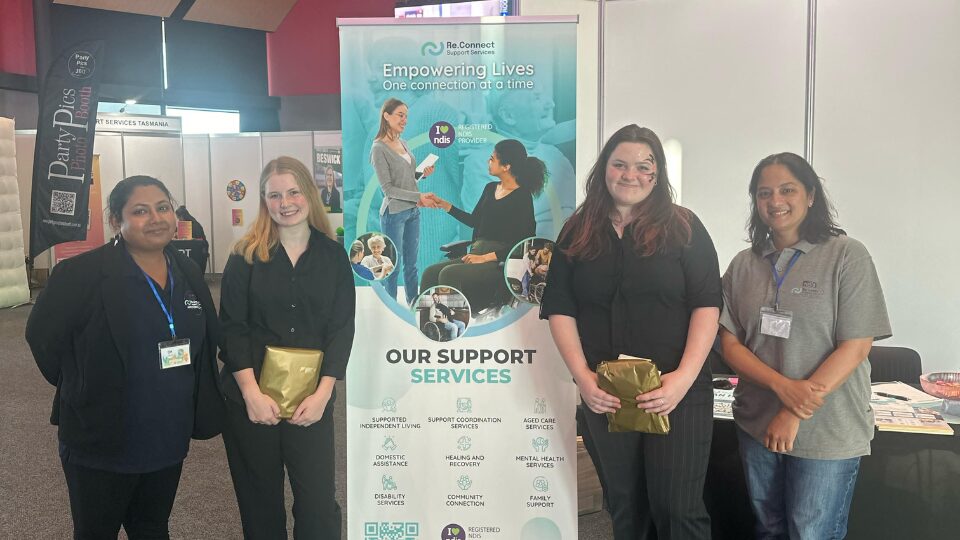
At Re.Connect Support Services, we support participants at every stage of the NDIS journey.
If you need help applying for the NDIS, preparing for planning meetings, or managing your current plan, our team is here to support you.