
Quick Answer

NDIS participant challenges often stem from navigating a complex system, understanding individualised funding, accessing the right providers, dealing with plan reviews, managing disability supports, and overcoming service gaps in remote communities. While the National Disability Insurance Scheme aims to deliver choice and control, many participants still struggle with planning processes, disability funding clarity, and long waiting times.
Navigating a Complex System
By understanding the structure of the National Disability Insurance Agency, recent reforms, market issues, and available advocacy pathways, participants and families can improve their experience and access the supports they need.
Importance of Expert Advice
Receiving expert advice from support coordinators or advocates is essential, as it helps participants navigate the NDIS process, communicate effectively, and access necessary services.
Role of Support Coordinators and Service Providers
Support coordinators, disability service providers, and organisations like Re.Connect Support Services play a critical role in helping individuals navigate these challenges.
Active Involvement of Participants and Families
Participants, families, and support coordinators are actively involved in navigating and improving the NDIS experience, ensuring that everyone engaged in the scheme has a voice in decision-making and service provision.
Introduction to the National Disability Insurance Scheme
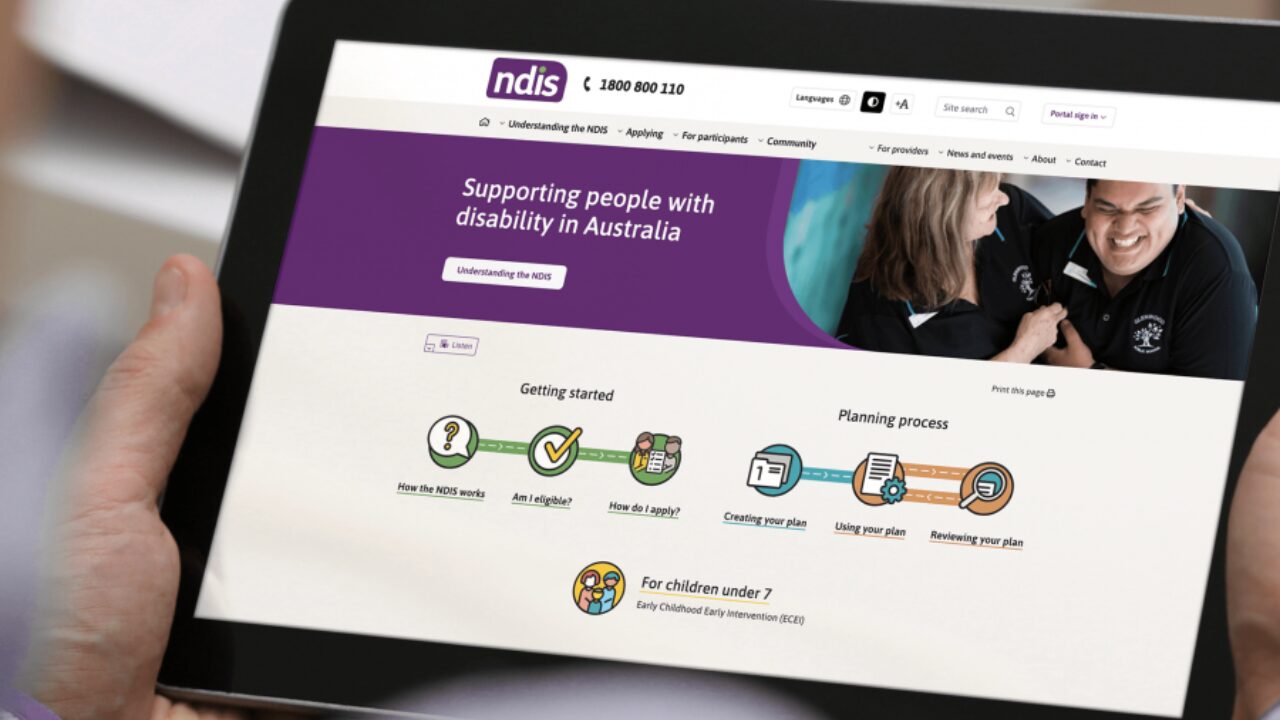
The National Disability Insurance Scheme (NDIS) was introduced to revolutionise the way Australians with disability access support, presenting both significant opportunities and unique challenges for a disabled person. As the system enters its first decade of operation, it continues to evolve. The NDIS is built on individualised funding, offering participants more control over the supports they receive. Although this structure provides flexibility, it also creates complexity. Many participants, particularly first time users, struggle to fully understand the scheme.
The Role of the National Disability Insurance Agency
The National Disability Insurance Agency (NDIA) is responsible for administering the scheme, determining access, approving NDIS plans, and managing funding. Understanding how the NDIA works is essential for navigating the system effectively. Official NDIA information: https://www.ndis.gov.au/about-us/operational-guidelines
Individualised Funding and Participant Control
The scheme aims to give NDIS participants greater independence and agency in shaping their services. A central feature of the NDIS is the allocation of individual budgets, which are personalised funding packages designed to help participants purchase supports that align with their personal goals. However, the reality is that navigating the system can feel overwhelming. Participants often rely on service providers, support coordinators, and family members to interpret the rules, understand budgets, and advocate for additional support.
Disability Services and Support Under the NDIS
Core Supports and Capacity Building

The NDIS funds a wide range of NDIS supports, which are the range of supports funded by the scheme. These include core supports for everyday tasks, capacity building supports for skill development, and capital supports such as assistive technology. These NDIS supports are essential for helping participants achieve their goals and improve quality of life.
Core supports may include:
- Personal care
- Daily living assistance
- Meal preparation
- Transport
- Community participation
Capacity building supports
help participants gain independence through:
- Therapy
- Skill building
- Employment programs
- Social participation
More information on support categories: https://www.ndis.gov.au/participants/creating-your-plan/support-budgets
Multiple Providers and Service Provision

Participants can choose from multiple providers, which is a key feature of the scheme. This ensures individuals can find the right providers that match their needs, preferences, and cultural background. However, having many providers can also create challenges in service coordination and consistency.
The freedom to select providers is empowering, but it requires strong decision making and the ability to evaluate service options. Not all providers deliver services equally, and quality varies across regions, especially in remote communities.
Support Coordinators and Their Role
Support coordinators help participants navigate the NDIS and make the most of their plans. They guide individuals through selecting services, comparing options, understanding budgets, and resolving issues. For many participants, support coordination is vital to improving their participant experience.
NDIS Planning and Delivery

Understanding the Planning Process
The NDIS planning process requires participants to explain their goals, support needs, and functional limitations. Many participants struggle to articulate their needs clearly, especially those without advocacy or those with communication difficulties.
Information about planning meetings:
https://www.ndis.gov.au/participants/creating-your-plan
During planning, the NDIA assesses:
- Disability impact
- Required supports
- Functional capacity
- Safety risks
- Daily living needs
- Long term goals
Many participants feel challenged by the planning meeting process. It requires careful preparation, clarity, and confidence. Without proper support, important details may be overlooked.
Plan Reviews and Ongoing Needs
Plan reviews are essential for ensuring that a participant’s needs continue to be met. However, plan reviews can be stressful and unpredictable. Many participants report receiving fewer supports after a review, or facing changes that do not reflect their lived experience.
Participants often require help preparing:
- Updated reports
- Functional assessments
- Evidence of needs
- Progress updates
The uncertainty around plan reviews remains one of the most significant NDIS participant challenges.
Challenges for Remote Communities
NDIS participants living in remote communities such as parts of New South Wales, Northern Territory, and regional Queensland face specific obstacles. There may be limited service providers, long waitlists, and fewer trained workers. This creates delays, reduces service quality, and forces some participants to rely on family members for support.
NDIS Plans and Funding

Individualised Funding as a Key Feature
A major innovation of the NDIS is its system of individualised budgets. Instead of one size fits all funding, participants receive a budget based on their unique circumstances.
However, the flexibility of individualised budgets also creates challenges. Many participants, families, and advocates struggle to understand:
- Why certain funding decisions are made
- Why some supports are approved while others are denied
- How to interpret funding categories
- How to avoid overspending or underspending
Resources on how NDIS funding works:
https://www.ndis.gov.au/participants/your-plan
Managing Disability Funding
Participants may choose to manage their plans through:
- NDIA management
- Plan management
- Self management
Each option has its benefits, but also different levels of complexity. For example, self management offers the most flexibility but requires significant administrative responsibility.
Effectively managing money within the NDIS plan is crucial, as it ensures that funding is allocated appropriately to support individual needs and goals.
Understanding disability funding categories is a recurring challenge, especially for many participants who have limited experience with budgeting.
Issues With NDIS Costs and Scheme Sustainability
The federal government and the NDIA spokesperson often highlight concerns about rising NDIS costs. As the scheme expands, the government has introduced legislative changes, including amendments to the NDIS Act, to ensure sustainability. Changes to the NDIS Act have influenced scheme reforms by emphasizing co-design principles, improving governance, and affecting leadership appointments and the integration of disabled Australians in decision-making processes. These changes may affect funding distribution and access to certain supports.
Participants must stay informed about how reforms may impact their plan and ongoing support.
Market Challenges and Limitations

Limited Providers and Competition
The Productivity Commission has repeatedly outlined concerns about the lack of provider competition in some areas.
Reference: https://www.pc.gov.au/inquiries/completed/ndis-costs
Participants may experience:
- Fewer service options
- Lower quality supports
- Higher travel charges
- Longer waiting periods
Remote communities face the most significant gaps, but even metropolitan areas have disparities based on the type of disability support required.
Workforce Challenges Across the Scheme
The NDIS workforce faces growing pressure due to increased demand. Many workers in the sector receive limited training, experience burnout, and struggle with complex participant needs. Workforce shortages affect:
- Therapy availability
- Support worker consistency
- Wait times for assessments
- Access to specialised care
The federal government and NDIA must continue investing in workforce development.
Senate Estimates and Accountability
Holding the NDIA Accountable

The Senate Estimates process allows politicians, advocates, and community members to question NDIA decisions and raise concerns about scheme performance.
Through Senate Estimates, key issues are discussed such as:
- Funding fairness
- Operational delays
- Assessment quality
- Participant experience
- Service gaps
Minutes and transcripts:
https://www.aph.gov.au/Parliamentary_Business/Senate_Estimates
Administrative Review Tribunal
When participants disagree with an NDIA decision, they can request an independent review through the Administrative Review Tribunal (ART).
More information: https://www.art.gov.au/
This process is essential for fairness, but it can be time consuming and emotionally draining. Participants often feel they must fight for their rights rather than being supported by the system.
Need For Transparency
Participants need clear explanations about:
- Why decisions are made
- How budgets are calculated
- What evidence is required
- Why some supports are considered reasonable and necessary
Transparency builds trust and improves the lives of participants.
The New System and NDIS Reforms
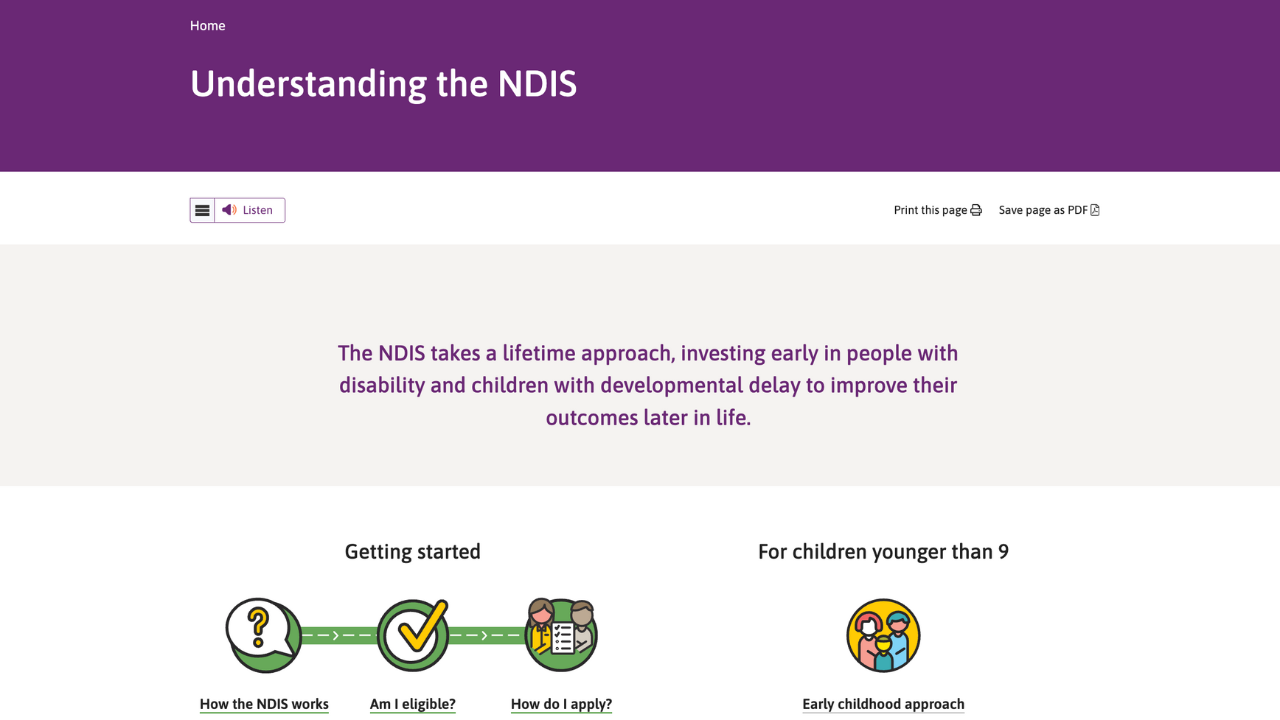
A Significant Transition in the First Decade
As the NDIS enters its first decade, a series of reforms known as the new system aim to reduce barriers, simplify processes, and improve outcomes.
Key changes may include:
- Adjusted funding models
- Revised planning pathways
- Clarity on what is funded
- Stronger engagement with other sectors
- Improved disability care alignment with health and community systems
Impact on NDIS Participants
Many participants feel anxious about these transitions. Change can create uncertainty about:
- Eligibility
- Funding levels
- Service access
- Continuity of care
Providers such as Re.Connect Support Services help participants understand reforms and navigate the transition confidently.
Participant Perspectives and Experiences
Listening to Lived Experience
The NDIS must remain participant centred. Listening to lived experience helps identify systemic issues, gaps in support, and areas needing improvement. Many participants report challenges such as:
- Difficulty understanding complex system rules
- Feeling rushed during planning meetings
- Inconsistent communication
- Unclear approval decisions
- Lack of transparency
Ensuring Accessible and Affordable Support
Disability services must be accessible, affordable, and suited to individual needs. Participants repeatedly emphasise the importance of culturally informed and personalised care.
Feedback from NDIS advocates:
https://www.nds.org.au/policy/advocacy
Workforce Development and Training

Why Workforce Quality Matters
High quality disability support depends on the availability of trained workers who understand the NDIS, communicate effectively, and provide person centred care.
Challenges include:
- Worker shortages
- Low wages
- High turnover
- Limited training opportunities
Improving Workforce Capability
Government and NDIA investment in workforce development can help:
- Build specialist skills
- Improve service consistency
- Increase worker retention
- Ensure safe and effective support
Conclusion and Recommendations
The NDIS remains a life changing scheme, but it is not without significant challenges. To improve outcomes for participants, the government, the NDIA, providers, and the community must work together to address:
- Market gaps
- Workforce shortages
- Transparency issues
- Inconsistent planning outcomes
- Funding uncertainty
Participants must be at the centre of reform efforts. A participant centred NDIS must value lived experience, promote choice, improve accessibility, and ensure accountability at every level.
Re.Connect Support Services is committed to supporting NDIS participants through these challenges by providing clear guidance, personalised care, and reliable advocacy.
Future Directions and Opportunities

The future of the NDIS depends on improving flexibility, accessibility, and responsiveness across the scheme. Opportunities include:
- Stronger integration with the health sector
- Greater investment in workforce programs
- Use of technology such as digital planning tools
- Innovative service delivery models
- Improved accessibility for remote communities
- Better alignment between funding and functional needs
With continued collaboration and investment, the NDIS can better support participants to achieve their goals, build independence, and live fulfilling lives.