
Navigating the NDIS can feel overwhelming, especially when trying to understand what level 2 support coordination actually involves. Many NDIS participants see “2 support coordination” or “coordination of supports” listed in their NDIS plan but are unsure how it fits into their overall NDIS journey.
This guide explains how support coordination works, how it differs from specialist support coordination, and how to choose the right coordination level for your circumstances.
What Is Level 2 Support Coordination?

Level 2 support coordination, also known as 2 coordination of supports, helps participants implement their participant’s plan and connect with the right NDIS providers.
It is funded under capacity building supports and focuses on helping participants understand and use their NDIS funded supports effectively, including capacity building.
The main purpose is to:
- Help participants understand their support plan
- Connect them with the right services
- Assist participants to manage service delivery tasks
- Build independence so they can eventually manage their own supports
Support coordination funding sits within the Capacity Building category of your NDIS plan.
Official NDIS explanation of support coordination levels:
https://www.ndis.gov.au/participants/using-your-plan/who-can-help-start-your-plan/support-coordination
Specialist Support Coordination is usually only funded when a participant has complex needs requiring specialised support, or the client is in a crisis situation.
Levels of Support Coordination Explained
There are three levels of support coordination under the NDIS.
Level 1: Support Connection
Helps participants connect with community services and basic funded supports.
Level 2: Coordination of Supports
Ongoing assistance to coordinate participant’s supports, maintain relationships with providers, and manage service delivery tasks.
Level 3: Specialist Support Coordination
High-intensity, time-limited support for participants facing complex barriers or high risk situations.
The support coordination level included in your plan depends on your assessed support needs.
What Does Level 2 Support Coordination Actually Do?

Level 2 support coordination services help participants:
- Understand their NDIS funding
- Find providers that match their needs
- Develop service agreements
- Maintain relationships with providers
- Monitor funded supports during the plan period
- Prepare for plan reviews
A specialist support coordinator works alongside the participant, but does not replace support workers or therapists.
Instead, they help coordinate NDIS services so everything works together.
Common Situations That Require Level 2 Support Coordination

You may benefit from 2 support coordination if you:
- Are new to the NDIS
- Have multiple providers
- Have intellectual disabilities requiring structured coordination
- Are plan managed or agency managed
- Need help finding right providers
- Are unsure how to implement your participant’s plan
- Have moderate mental health challenges
- Need help preparing for plan reviews
Level 2 is ideal when there are coordination needs but not severe high risk barriers.
Level 2 Support Coordination is designed for people who need more than just basic guidance, but who don’t require the highest level of intervention.
- Participants can choose to change support coordination providers at any time, as long as they follow the notice periods in their service agreement.
- The support coordinator should end the service booking so that the participant can create their service agreement and booking with the new support coordinator.
What Is Level 3 Specialist Support Coordination?
Eligibility for Level 3 Support Coordination is decided by the NDIA based on specific circumstances and documented barriers.
Level 3 specialist support coordination is designed for participants facing complex situations or high risk circumstances.
This includes:
- Justice system involvement
- Severe mental health instability
- Crisis situation requiring immediate support
- Safeguarding concerns
- Complex barriers preventing service access
Level 3 support coordination is often time-limited and focused on stabilisation.
Level 3 specialist support typically requires higher qualifications and experience, often involving collaboration with health professionals and allied teams.
NDIS Practice Standards reference:
https://www.ndiscommission.gov.au/providers/ndis-practice-standards
Level 2 vs Level 3: Choosing the Right Coordination Level
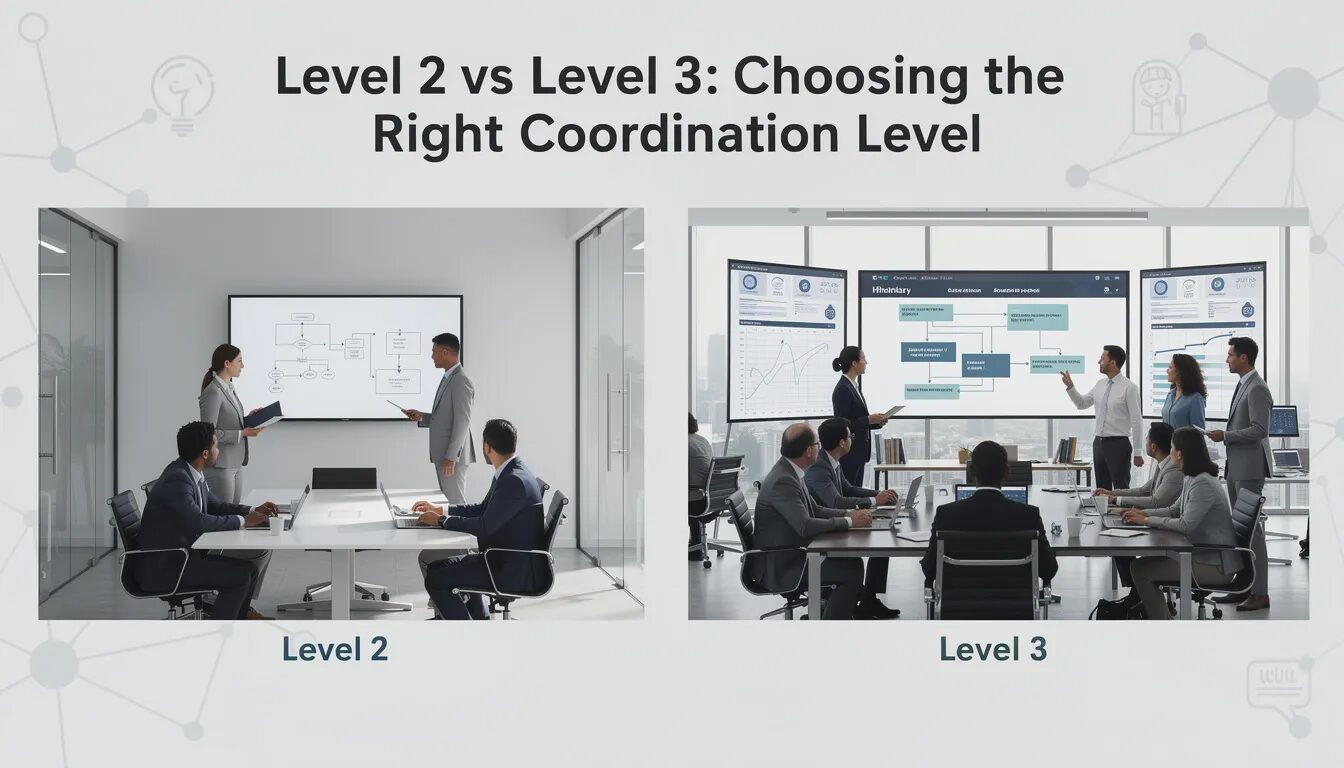
Choosing between 2 support coordination and 3 specialist support coordination depends on:
- Risk level
- Complexity of service environment
- Crisis support needs
- Involvement of justice system
- Mental health complexity
- Ability to manage own supports
If complex situations escalate, participants can request additional funding at plan reviews.
You can also discuss mixed funding across plans with the National Disability Insurance Agency.
The current support coordinator should prepare a report as part of the handover process when changing support coordinators.
NDIA official site:
https://www.ndis.gov.au
How to Start With a Support Coordinator
To access level 2 support coordination, you must have support coordination funding included in your plan.
You can:
- Request it during a planning meeting
- Ask your local area coordinator
- Provide evidence of complex barriers
- Document challenges in your current plan
When contacting providers, include:
- Your NDIS goals
- Your support needs
- Current providers
- What assistance you require
Compare providers before signing a service agreement.
Changing Your Current Support Coordinator
If you want to change your current support coordinator:
- Check notice periods in your service agreement
- Confirm your end date
- Request a handover report
- Ensure continuity of services
A good provider will assist participants during transition to avoid service gaps.
Qualifications and Provider Expectations
When choosing a provider for support coordination services, ask:
- What experience do you have?
- How do you manage service delivery tasks?
- How do you assist participants to build skills?
- How do you handle crisis situation support?
For level 3 specialist support, qualifications in allied health or community services are typically expected.
Managing NDIS Funding and Plan Use

Support coordination funding helps participants implement their funded supports.
It does not usually cover:
- Direct support worker hours
- Transport (unless specifically funded)
- Core services
If you are self managed, plan managed, or agency managed, your approach to budgeting will differ.
If you struggle to spend funding due to unavailable providers, document this for plan reviews.
Supporting Mental Health and Complex Needs
Level 2 support coordination often supports participants with:
- Mental health conditions
- Intellectual disabilities
- Psychosocial challenges
- Moderate complexity situations
When high risk emerges, escalation to level 3 support coordination may be required.
The NDIS Quality and Safeguards Commission provides oversight and safeguards.
NDIS Safeguards Commission:
https://www.ndiscommission.gov.au
Promoting Safety and Compliance
Support coordinators must follow:
- NDIS Code of Conduct
- Safeguards Commission requirements
- Ethical decision-making standards
If high risk or immediate danger arises, emergency services must be contacted.
Support coordinators help participants activate all supports in their NDIS plan and develop a wrap-around system of care. Not all NDIS participants require funding for support coordination, as many are supported by NDIS partners in the community.
Preparing for Plan Reviews
To justify continued 2 support coordination:
- Gather reports from providers
- Document service delivery challenges
- Highlight progress toward NDIS goals
- Show ongoing support needs
Clear evidence strengthens your case for funding.
Information about plan reviews:
https://www.ndis.gov.au/participants/changing-your-plan
NDIS participants can manage their funding through three different methods: agency managed, plan managed, and self-managed.
Participants can use a combination of management types within their NDIS plan to suit their needs. The amount of funding for support coordination varies depending on the participant’s circumstances and needs.
Frequently Asked Questions
Is Level 2 the most common coordination level?
Yes, most participants who need coordination receive Level 2.
Can I request support coordination if not funded?
Yes, during plan reviews with supporting documentation.
Can I switch providers?
Yes, according to your service agreement terms.
Can Level 2 increase to Level 3?
Yes, if complex barriers or high risk develops.
Can I get my supports through unregistered providers?
You can but risks are unmanageable.
Re.Connect Support Services: Level 2 Support Coordination
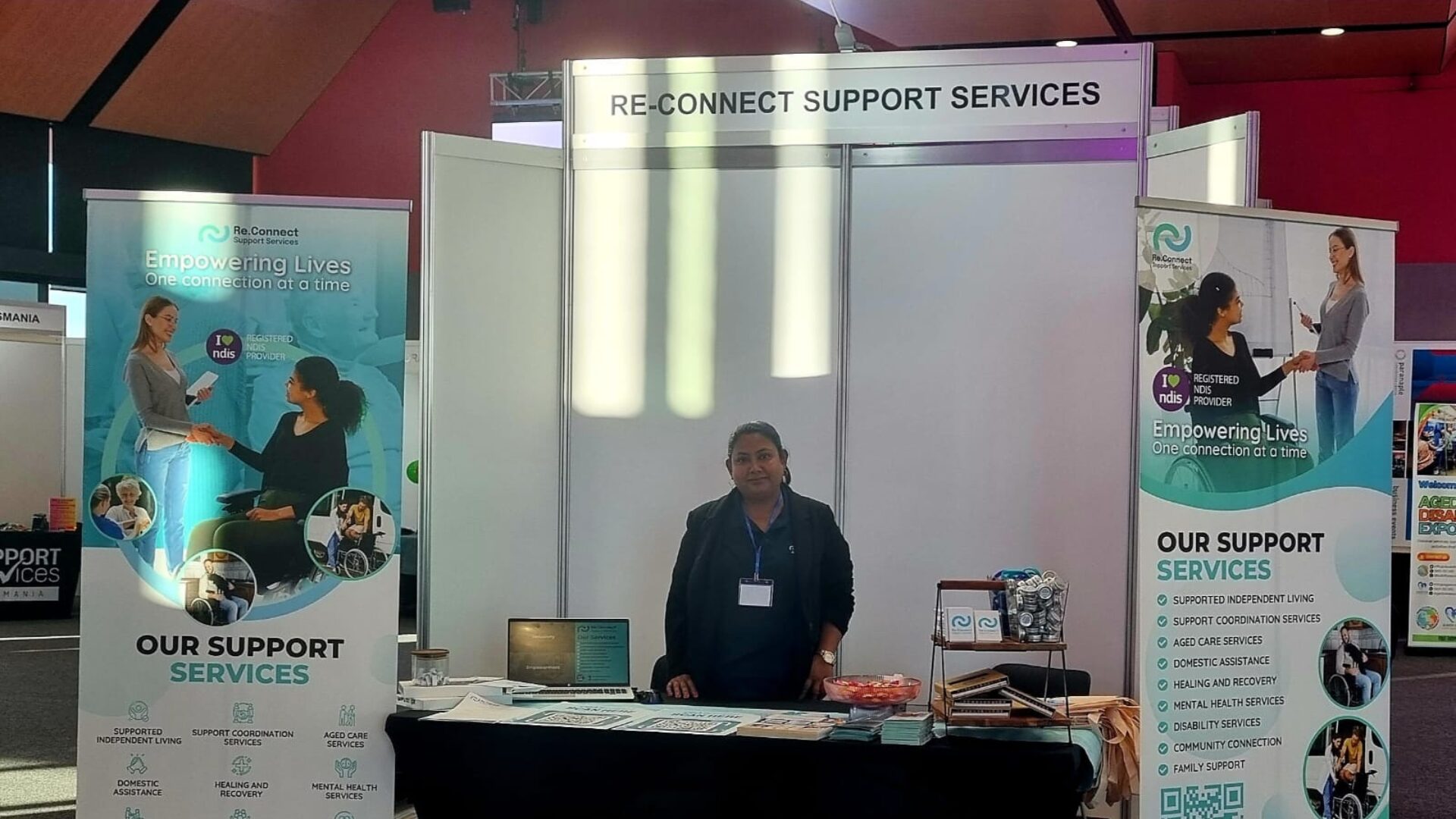
At Re.Connect Support Services, our friendly team provides professional level 2 support coordination tailored to each participant’s circumstances.
We help participants:
- Understand their NDIS plan
- Implement funded supports
- Maintain relationships with providers
- Build independence and skills
- Make informed choices
- Navigate complex situations
- Prepare confidently for plan reviews
Our focus is helping participants access the right supports, connect with the right providers, and build lasting independence throughout their NDIS journey.
If you are looking for reliable, ethical, and person-centred coordination of supports, contact Re.Connect Support Services today to speak with our friendly team and begin your next step forward.