
Community Connections Overview

NDIS community connection services help people with disability find the right community supports and resources in their local community so they can create connection, confidence, and independence. The NDIA says community connections can help people with disability aged 9 to 64 connect to information, mainstream supports, and community-based supports in their local area, even if they do not yet have an ndis plan.
Unlike funded NDIS supports, community connections focus on helping people connect with existing services, groups, and opportunities around them. This guide is for participants, families, carers, and referrers who want to better understand how local support can help people engage, join activities, and achieve critical everyday goals.
Local Area Coordinator Role

A local area coordinator lead can help an eligible person explore and recognise options, identify local supports, and build a simple Community Connections plan that summarises what was discussed and what next steps could help. The NDIA says LACs help people access both the NDIS and broader mainstream and community supports, and that they have strong links in their communities.
If someone wants help with community connections, they can contact the nearest local area coordination partner office to refer or talk with the NDIA directly. The NDIA also says LACs can support people to gather information if they later choose to apply to the NDIS.
Community Supports and Mainstream Services
Mainstream services are government-funded ensuring supports such as health, mental health, and education. Community supports come from community organisations, peer groups, local councils, sports clubs, neighbourhood houses, and volunteer groups. The NDIA’s mainstream and community supports guidance makes this distinction clearly.
This means a person might use a local sports club, an art group, or a volunteer program as part of building a stronger sense of belonging. These local options are often essential because they help people take part in ordinary community life, not only meeting disability-specific programs.
Local Community Participation

Being involved in the local community can do more than fill time. Regular participation can boost confidence, encourage people to step out of their comfort zones, and build everyday capability over time. Support networks also matter because they can reduce isolation and improve emotional wellbeing. These are consistent with the broader goals of local participation and inclusion described in NDIA community supports guidance.
Participants can also form meaningful relationships with peers, mentors, and community members who share similar interests. That can provide both emotional support and practical knowledge, whether the activity is social, cultural, creative, or skill-based.
Services Offered
Re.Connect Support Services work by offering in-home care, housing support, community access, and therapeutic services designed to help people maintain independence and improve quality of life. That kind of personalised disability support can be tailored to a person’s unique needs, goals, and preferred way to live in the community.
This approach is important because the best support is usually flexible. It should fit the individual, not force the individual into a rigid service model, and services such as personalised care options for aged care, domestic assistance, mental health, homelessness and disabilities can be adapted to what each person needs.
NDIS Support Coordination

Support coordination helps participants understand their plan, choose providers, and build the confidence to manage supports more independently, and different types of NDIS support coordination can help people make informed choices about how they use their plans. The NDIA says support coordinators and local contacts can help people connect with both NDIS-funded and mainstream or community services. Re.Connect also describes NDIS support coordinators as helping people navigate services and achieve their goals.
That makes support coordination especially useful when someone needs help to find, compare, and organise the right mix of services in their local area, because different levels of support coordination can guide how complex funding and provider arrangements are managed.
Supported Independent Living (SIL)
Supported Independent Living, or SIL, is designed for people with complex support needs who need regular help or supervision with daily tasks, and tailored supported independent living services can match a person’s preferred home environment and level of assistance. The NDIA says SIL helps participants live as independently as possible while building skills, and it usually happens in a participant’s home, often in shared housing.
That means SIL can provide a safe and supportive environment for people with complex support requirements while still promoting autonomy, wellbeing, and skill development, especially when combined with tailored healing and recovery services that focus on mental health and personal development. Typical arrangements can include shared homes or other home-and-living setups depending on the person’s goals and eligibility.
NDIS Personal Care Support
Personal care support can be personalised to help with daily routines such as dressing, showering, grooming, meals, and getting ready in the morning, and Re.Connect’s personalised support services emphasise this kind of day-to-day assistance. Depending on the person’s needs, support can range from a few hours each week to much more regular assistance. SIL guidance also notes that support may include help with personal care tasks and cooking meals.
This kind of support is important because it helps people manage daily living with dignity while building confidence over time and aligns with Re.Connect’s focus on empowering individuals to reclaim their lives and enhance quality of life.
Community Hub Participation
Community hubs and local groups can be powerful spaces for skill-building. Workshops in cooking, technology, art, or practical money skills can help people build daily living skills and independence, supporting mental health recovery and social and community participation for people using NDIS supports. Activities like cooking classes, art programs, or volunteering can also support communication, budgeting, and learning how to navigate public transport and local environments. These examples are practical applications of community participation and mainstream support pathways.
Transport support can also help people attend these activities regularly, which makes it easier to build routine, social confidence, and a stronger connection to community life.
Applying to the NDIS

People can apply to the NDIS directly or through partner pathways. The NDIA says applicants need supporting documents such as identity details and disability evidence, and that once all necessary information is provided, it will make an access decision within 21 days.
Checking Your Identity
Identity checks are part of the process to protect privacy and make sure information is shared appropriately. If a representative is acting on behalf of a participant, there may also be authority and identity checks to confirm who can speak or act for that person.
Pricing, Funding and Plan Use
Community connections themselves are usually about linking people to supports rather than charging for a specific line-item service. If a person already has an ndis plan, they may use funding for related supports, depending on the plan goals and support category. It helps to discuss this with the participant, their team, or their dedicated support coordinator to assist so the right supports are used in the right way.
Contact Re.Connect Support Services
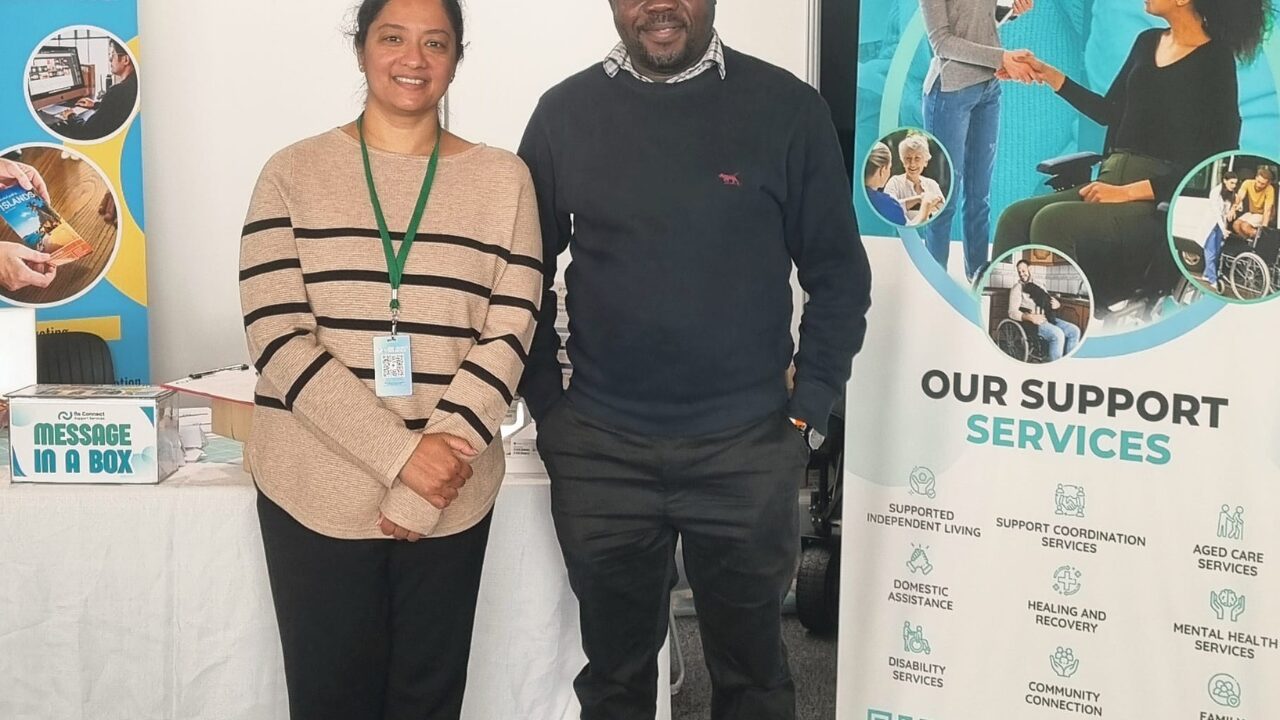
Re.Connect Support Services lists its Tasmania office at 355 Wellington St, South Launceston, TAS 7249, with phone 1-300-001-109 and office hours Monday to Friday, 9AM to 5PM. You can also visit the Re.Connect home page, its Community Connection page, its Support Coordination page, or its Contact Us page to ask questions or book support.
If you want help to connect with the right community supports, better understand your options, or choose the right support pathway, Re.Connect Support Services offers a practical local place to start.