
Overview: First Nations people and the NDIS First Nations Strategy
This guide is for any first nation NDIS participant and families, carers, community workers, and providers who want clearer, more culturally safe access to the National Disability Insurance Scheme. It explains how the National Disability Insurance Agency, also called the disability insurance agency ndia, is using the NDIS First Nations Strategy to improve outcomes for first nations people, including aboriginal and torres strait and torres strait islander people living with disability.
The New Strategy
The new strategy is designed to make the NDIS more equitable, community-centred, coordinated, and accessible. The NDIA says the first nations strategy will improve access and participation for nations ndis participants, their families, carers, and communities, and that the nations strategy embeds the knowledge, experiences and aspirations of First Nations people while reflecting First Nations concepts of disability and wellbeing.
The Scale of Work
The scale of this work is significant. The NDIA says the NDIS is supporting more than 52,000 First Nations participants, and its public reporting says First Nations participants made up about eight per cent of all NDIS participants in late 2024. The same 2025 announcement said the Australian Government had launched this strategy to help ensure first nations australians with disability receive culturally safe and accessible support through the Scheme.
Why this matters for First Nations communities
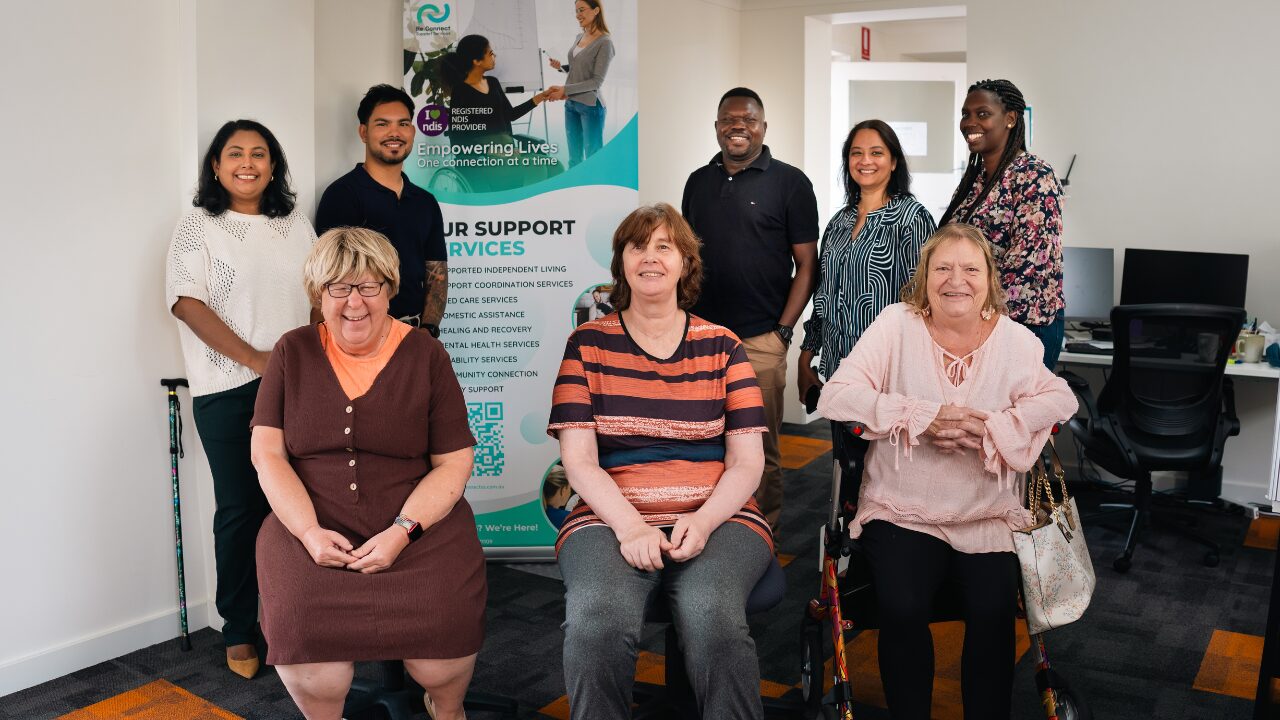
The NDIA says it is committed to an equitable Australia for First Nations people with disability, and the strategy is meant to support meaningful reforms rather than symbolic action. It was co-developed with a First Nations Strategy Working Group made up of First Nations NDIS participants, providers, peak bodies, academics, advocates, and community partners, which means lived experience and community expertise were built into the document from the start. You can read more in the NDIA’s First Nations Strategy document.
Remote Communities
This matters especially in remote communities and regional areas, where the gap in service availability, cultural safety, and workforce access is often wider. The Disability Royal Commission found that many First Nations people with disability and their families find the NDIS complex and hard to navigate, that services are often not culturally safe, and that the lack of available, accessible, and culturally appropriate services is a national crisis.
Aboriginal Community Controlled and Aboriginal Community Controlled Health Organisations frequently deliver disability services with inadequate funding and resourcing. The lack of available, accessible, and culturally appropriate services for First Nations people with disability represents a pressing national crisis that demands immediate attention and action.
Reporting
The same Royal Commission reporting also found that First Nations NDIS participants were 28% less likely to receive care via the NDIS than non-Indigenous participants. It also highlighted that First Nations people with disability experience the compounding effects of racism and ableism, which shapes how they experience systems, providers, and access to support.
Engage First Nations communities properly
The Local Response
A strong local response starts with engaging Elders, respected leaders, local Aboriginal services, and trusted community groups before designing or changing supports. The NDIA says partnership, co-design, and power sharing should sit at the centre of the strategy, and this is consistent with the broader national agreement on Closing the Gap approach.
Aboriginal Communities
That means providers and local teams should map local Elders, health organisations, aboriginal community controlled organisations, disability groups, and other community leaders first. These first nations organisations often bring trust, understanding, and cultural authority that mainstream systems cannot simply substitute. The NDIA’s media release says first nations organisations bring trust, connection, and understanding to the NDIS.
Yarning circles, co-designed workshops, and community feedback sessions are useful because they let people explain what culturally safe support looks like in their own context. They also help record community preferences for service delivery, family involvement, and what kind of engagement feels respectful on Country.
Design culturally safe supports
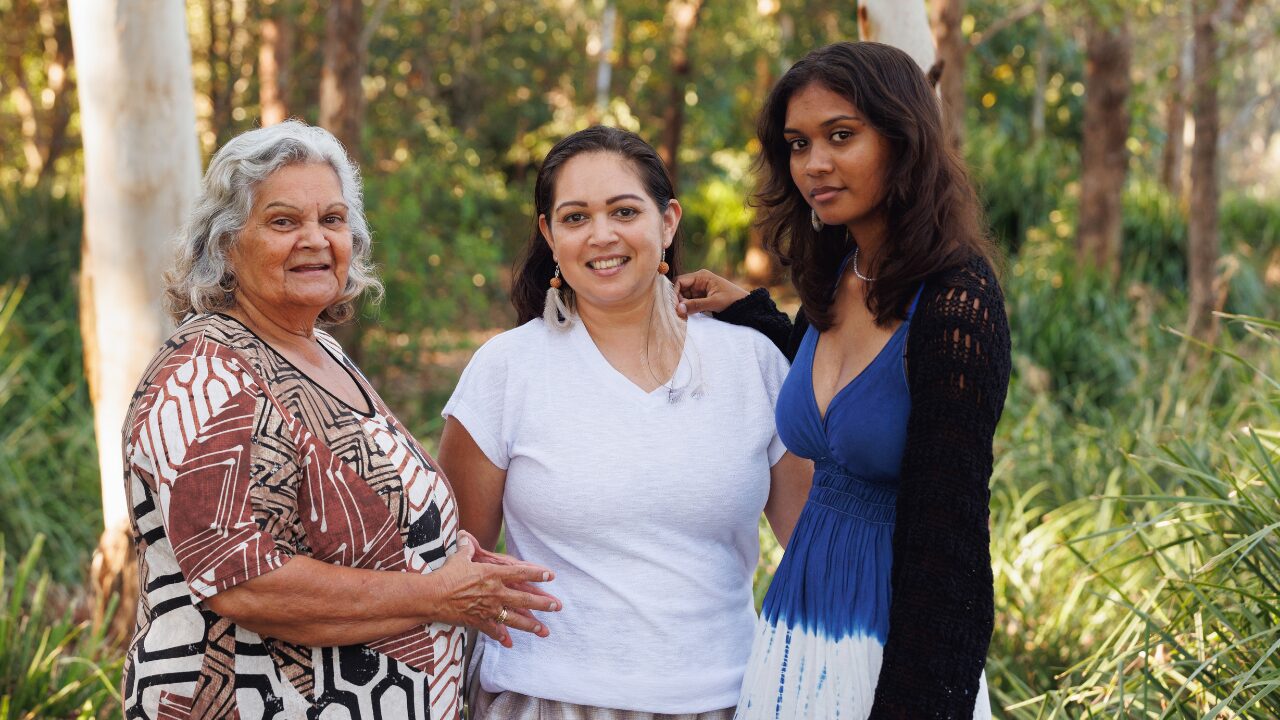
A culturally safe ndis approach is not only about words or translation. It means support should reflect family, culture, community relationships, and First Nations ways of knowing, being, and doing. The NDIA says the strategy reflects First Nations concepts of disability and wellbeing and aims to improve how the NDIS responds to those realities.
For Providers
For providers, this means building access supports and planning models that are trauma-informed, family-centred, and community-aware. It also means recognising that nations people with disability may define independence, wellbeing, and support differently from narrow bureaucratic systems.
The Disability Royal Commission said there is an urgent need for the whole disability workforce to better understand and deliver culturally safe and trauma-informed care. It also found that many First Nations people and families do not feel safe using services that are not culturally sensitive, including areas like NDIS-funded nutritional support and dietetic services.
Improve access and navigation
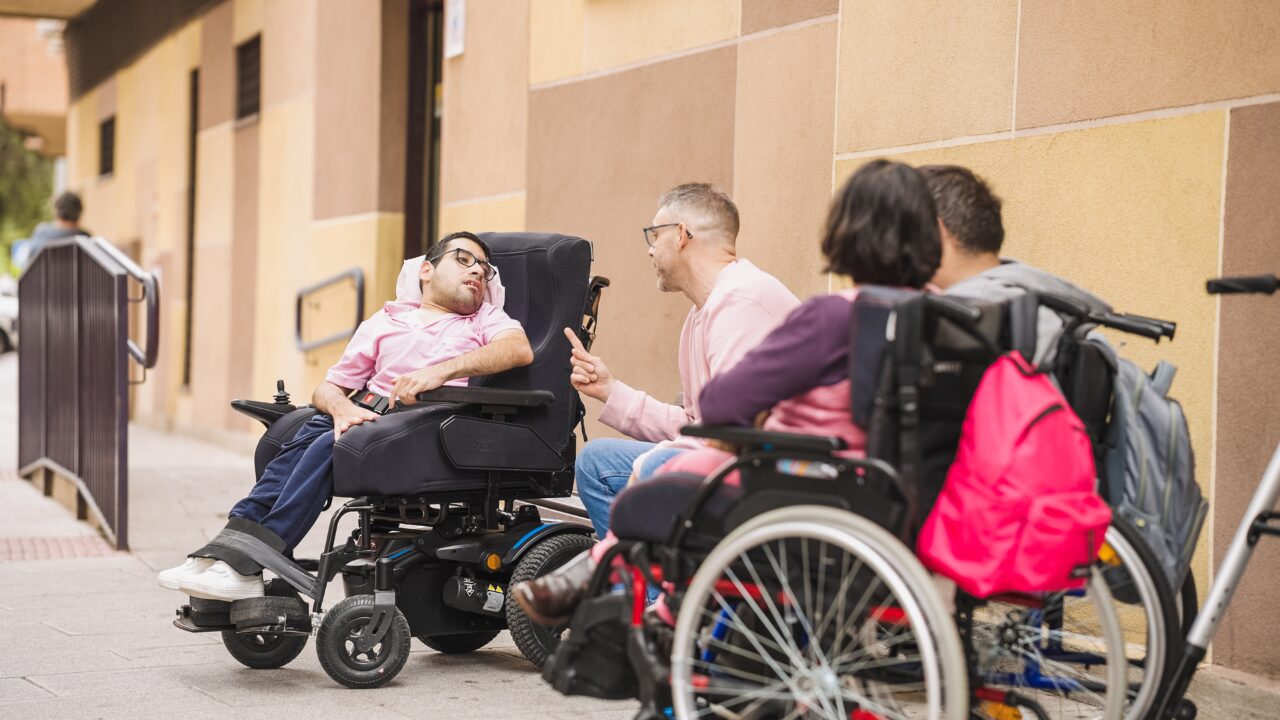
Many First Nations people with disability and their families find the NDIS confusing and difficult to navigate. That is one reason the strategy puts such a strong focus on improving access, understanding, coordination, and community-based support coordination within the NDIS.
The NDIA uses Remote Community Connectors (RCCs) to provide face-to-face assistance in remote and very remote areas, playing a role similar to that of NDIS support coordinators who help participants navigate their plans. The NDIA says these connectors support the culturally appropriate delivery of the NDIS, help people understand how to join, how to build a plan, and how to use funded supports, including travel and transport support under the NDIS, and they operate across hundreds of remote communities. You can see this on the NDIA page about Community Connectors.
The NDIA has also funded Aboriginal Disability Liaison Officers (ADLOs) through NACCHO to support First Nations people with disability in urban and rural areas, helping them understand and use NDIS Core Supports for daily living and participation. According to the NDIA, ADLOs help people access the NDIS, use their plans, and, much like specialist NDIS plan management services, build stronger relationships with providers. See the NDIA update on dedicated support for urban and rural First Nations Australians to engage with the NDIS.
The NDIA’s Remote Service Delivery Framework also says remote participants may need different support arrangements to participate fairly in the NDIS, especially where local Partner access is limited. That framework is part of the agency’s broader commitment to respectful, inclusive, and community-led service delivery in remote areas.
Build the First Nations market and workforce
A stronger nations market needs more local services, more culturally safe providers, and more First Nations workers across disability, health, and aged care systems, supported by a broader network of disability services available in Australia. The NDIA’s First Nations strategy materials say community-controlled services and locally trusted organisations are critical to making the NDIS more accessible and effective.
That is why the strategy aims to increase the number of Aboriginal Community Controlled Organisations and aboriginal business enterprises operating in the ndis market, strengthening disability services that promote independence and inclusion. The NDIA’s 2025 media release said the strategy is designed to create meaningful change by increasing the number of community-controlled organisations and Aboriginal business enterprises working in the Scheme.
The same announcement said first nations organisations bring trust, connection, and understanding to the NDIS, making it more accessible for First Nations people, including those needing specialist NDIS supports for Autism Spectrum Disorder. That point matters because trust is often one of the biggest barriers or enablers in disability support.
The workforce issue is also urgent, particularly when we consider how NDIS supports can expand employment opportunities for people with disability. The Disability Royal Commission said approximately 13,000 NDIS workers will be needed in the First Nations disability sector by 2031, and that First Nations people remain underrepresented in the care workforce across the country, especially in remote communities.
Why community-controlled organisations matter
The Royal Commission and NDIA materials both support a stronger role for community-controlled services that focus on community connection and tailored access supports. Community-controlled organisations are often better placed to provide culturally safe and accessible services because they already understand local families, community structures, and cultural obligations, a perspective echoed in many NDIS and disability support resources on our blog.
That is also why many advocates say aboriginal community controlled and Aboriginal Community Controlled Health Organisations play a vital role in disability service delivery, even when funding and resourcing are inadequate. The Royal Commission pointed to the wider problem of under-resourcing and limited culturally appropriate services for First Nations people with disability.
Plans, culture, and community life

An NDIS plan should be about more than funding categories. For many First Nations participants, real support may involve community, family, connection to place, and cultural identity. The strategy says the NDIS should reflect First Nations concepts of disability and wellbeing, which supports broader planning conversations than a narrow service list.
That means plans can and should consider culturally relevant supports where they meet the NDIS criteria and are properly connected to disability-related needs. In practice, this can include stronger family involvement, culturally relevant community participation, or supports that make it easier for a person to stay connected to community and Country, where appropriate within the rules of the Scheme, drawing on options like NDIS Improved Life Choices supports for independence. This is an inference from the strategy’s emphasis on culture, wellbeing, and community-centred support.
Accountability, data, and outcomes

The NDIA says the strategy will improve how it collects and reports information about First Nations participation and outcomes, which will intersect with recent updates to NDIS policies and rules in 2024. Better data matters because it helps governments, communities, and organisations understand what is improving and where the gap still remains. You can also read the NDIA’s supporting document on tracking progress and accountability.
Community accountability matters too. If local initiatives are designed with community input, progress should also be shared back with community in clear, community-facing ways. That aligns with the strategy’s emphasis on partnership, co-design, and measurable improvements in wellbeing and participation.
Practical next steps for participants and providers

For a first nation ndis participant, a practical next step may be asking whether a Remote Community Connector or ADLO is available, bringing a trusted person to a meeting, and asking for information in plain language, as well as considering specialist support coordination to maximise NDIS funding. These supports, together with effective management of NDIS funding, can help make the Scheme easier to understand and use.
For providers, the next steps are to strengthen cultural capability, recruit more First Nations workers, build relationships with local community-controlled organisations, and design services with communities rather than for them, in line with the approach of person-centred NDIS support providers like Re.Connect Support Services. That is the most practical path to improve outcomes and create more sustainable, inclusive support, especially when paired with dedicated NDIS support coordination services.

In the end, this is not only about one strategy document. It is about whether the NDIS can genuinely work better for first nations people, their families, and their communities. The NDIA’s first nations strategy is one important step, but the real measure will be whether trust, access, and culturally safe services actually improve over time.