
Quick Answer: NDIS Application Mistakes to Avoid
The biggest NDIS application mistakes to avoid are submitting an incomplete NDIS application, providing outdated documents, skipping relevant medical reports, focusing only on diagnosis instead of functional impact, missing important details, and choosing the wrong plan management options. Many NDIS participants also forget to track progress, manage paperwork, and prepare for the planning meeting, leading to service gaps, delays, and costly mistakes. With the right support coordinator, plan managers, and the right approach to evidence, you can move through the NDIS application process faster and more confidently.
Introduction to NDIS Applications

The National Disability Insurance Scheme (NDIS) provides vital NDIS support for Australians living with disability.
It can fund supports that improve daily life, independence, and long-term wellbeing.
But the NDIS application process can feel overwhelming at first.
Many participants run into delays because of small errors.
Others experience stress because the system is new.
The good news is this: most frequent mistakes are preventable with preparation and guidance.
At Re.Connect Support Services, we help participants take the right steps early so they can avoid missing support opportunities.
Mistake #1: Not Understanding the NDIS Application Process
One of the most common NDIS mistakes is starting an application without understanding the process.
Some people assume it works like a quick form submission, but there are several important steps to find the perfect aged care for your needs.
But NDIS applications rely heavily on documentation and evidence.
The NDIA must assess eligibility using strict NDIS requirements.
If key information is missing, you may be asked for more evidence, which delays progress.
For official steps, see the NDIS guidance on applying and evidence requirements.
Mistake #2: Not Providing Enough Evidence

A major reason applications slow down is not providing enough evidence.
You need evidence that proves your disability is likely permanent.
You also need evidence that explains how your condition affects your day-to-day functioning.
Without that detail, the NDIA may not approve access.
This is where relevant medical reports and assessments matter most.
Mistake #3: Using Outdated Documents
Many participants attach old reports and assume they are fine.
But outdated documents can fail to reflect your current situation.
They might not explain your evolving needs, current supports, or current plan gaps.
If the evidence is too old, it may not show the right level of support needed now.
Always double check dates and update documentation when possible.
Mistake #4: Focusing Only on Diagnosis, Not Functional Impact

The NDIS is not just about the label of your condition.
It is about functional impact.
That means your evidence must describe how the disability affects:
- mobility
- communication
- self care
- social interaction
- learning and decision-making
Even specific examples help.
For instance, limited grip strength might affect meal preparation, dressing, and personal care.
This level of detail supports the right funding decisions. Create a monthly spending plan that spreads your funding across the full plan period. Not explaining the impact of the disability clearly can lead to application rejection.
Mistake #5: Missing Important Details in Your Application
Small missing details can slow down the process.
Common missing points include:
- incomplete forms
- missing attachments
- unclear descriptions of daily challenges
- no explanation of how supports will help
These mistakes can lead to requests for extra information. That means more time and more paperwork.
Before submitting, double check the full application carefully. Track your spending regularly using your plan management portal or the NDIS app. Submitting outdated documentation, such as reports older than two years, can cause immediate delays or rejections in the NDIS application process.
Small mistakes, such as incomplete forms, can halt the entire NDIS application process. Incomplete evidence is the most common reason for delays in NDIS applications.
Mistake #6: Not Tracking Progress or Managing Paperwork

The NDIS system includes forms, emails, calls, evidence, and updates.
If you do not track progress, it is easy to lose momentum.
It also becomes harder to follow up.
A simple system helps:
- save every email
- keep scans of reports
- label documents clearly
- store notes after phone calls
This makes the application and planning process smoother. Clear documentation from relevant health professionals showing the permanency of the disability is essential in NDIS applications.d
It also reduces stress for families and participants. Review your invoices weekly or fortnightly to catch errors early.
Mistake #7: Not Preparing for the Planning Meeting
Your planning meeting is where your needs and goals are discussed.
Many participants show up underprepared.
That often leads to missing funding for key supports.
Before your meeting, prepare a list of:
- daily life challenges
- support needs
- short term goals and longer goals
- current supports and service gaps
The NDIS explains what to expect and how to prepare for a planning meeting here. Using a Local Area Coordinator (LAC) can assist applicants in completing NDIS paperwork effectively. Not mentioning help from family or carers in an NDIS application can weaken the evidence of existing support systems.
Mistake #8: Not Setting Person-Centred Goals

Your NDIS plan should be based on person centred care.
If goals are vague, the plan may be vague.
Try goal wording like:
- “Improve independence with daily routines”
- “Build confidence in community access”
- “Support communication and social participation”
Clear goals help justify funding and services.
Mistake #9: Choosing the Wrong Plan Management Options
A big step is understanding plan management options.
Your management option affects how you pay providers and how much admin work you handle.
The NDIS offers:
- self managed
- plan managed
- NDIA managed
This is why understanding plan management options early matters.
If paperwork is stressful, plan managed funding can reduce burden.
If you want control, self managed may suit.
If you want minimal admin, NDIA managed may work.
Mistake #10: Not Working With Plan Managers
Many participants assume they must handle the budget alone.
But plan managers can help you:
- pay providers correctly
- manage invoices
- track spending
- keep you compliant with NDIS funding rules
A plan manager can reduce administrative stress so you can focus on supports.
Plan management is especially helpful for participants juggling multiple services.
Mistake #11: Not Using a Support Coordinator

A support coordinator helps participants navigate the NDIS system.
They can:
- explain your plan
- help you find providers
- support planning meeting preparation
- help avoid service gaps
- advocate when supports are delayed
Support coordination is especially helpful for first plans.
You can read the official NDIS explanation of support coordination here. Work with your support coordinator or plan manager to monitor your budget.
Mistake #12: Not Checking Whether Your Provider Is Registered
Not every provider is the right fit.
And not every provider is compliant, which is why NDIS support coordinators can play a crucial role in helping you navigate the system.
Working with a registered NDIS provider can add confidence around service quality.
To find providers, use:
- NDIS “Find a registered provider” guidance
- NDIS Commission provider register tool
This step helps many participants avoid costly mistakes. Use a budget monitoring application to maintain an accurate and well-organized record of all your costs. Effective NDIS budget management is essential to guarantee you have the money you need to receive the services and supports specified in your plan.
Mistake #13: Not Comparing Providers or Services

Choosing the first provider you see is risky.
- Different service providers offer different approaches.
- Some providers specialise in specific disability supports.
- Some have long waitlists.
- Some may not match your goals.
- Take time to compare services and ask questions.
- This reduces the chance you will need to change providers later.
Mistake #14: Skipping Service Agreements
Service agreements protect your funding and expectations.
A service agreement explains:
- what services are delivered
- how often supports happen
- cancellation rules
- costs and responsibilities
Without a service agreement, misunderstandings happen.
And those misunderstandings can create delays or wasted funding.
Mistake #15: Forgetting Plan Reviews and Internal Review Options
NDIS plans should match your current needs.
If your needs change, you may need plan reviews. Using specific examples when describing your challenges helps planners understand your support requirements.
Many participants wait too long, even when supports are not enough.
If decisions feel incorrect, an internal review may be available.
Your support coordinator can guide the next steps so the process is handled correctly. Participants should treat their review like a new planning meeting with the same level of preparation.
NDIS Funding Mistakes That Lead to Missed Opportunities
NDIS funding can go unused when participants:
- do not start services early
- do not understand plan budgets
- struggle to find providers
- get stuck with service gaps
These are common mistakes, especially in the first plan year. Many participants and carers don’t fully express their needs or advocate for themselves during planning or review meetings. The NDIS does not approve applications based solely on a diagnosis; it assesses how the condition impacts daily function.
Being proactive helps you use your funding effectively.
Final Thoughts: The Right Support Makes the Process Easier
The NDIS can open doors to better support, independence, and quality of life.
But the application process requires clear evidence, planning, and the right team.
Avoiding the most frequent mistakes leads to a smoother journey.
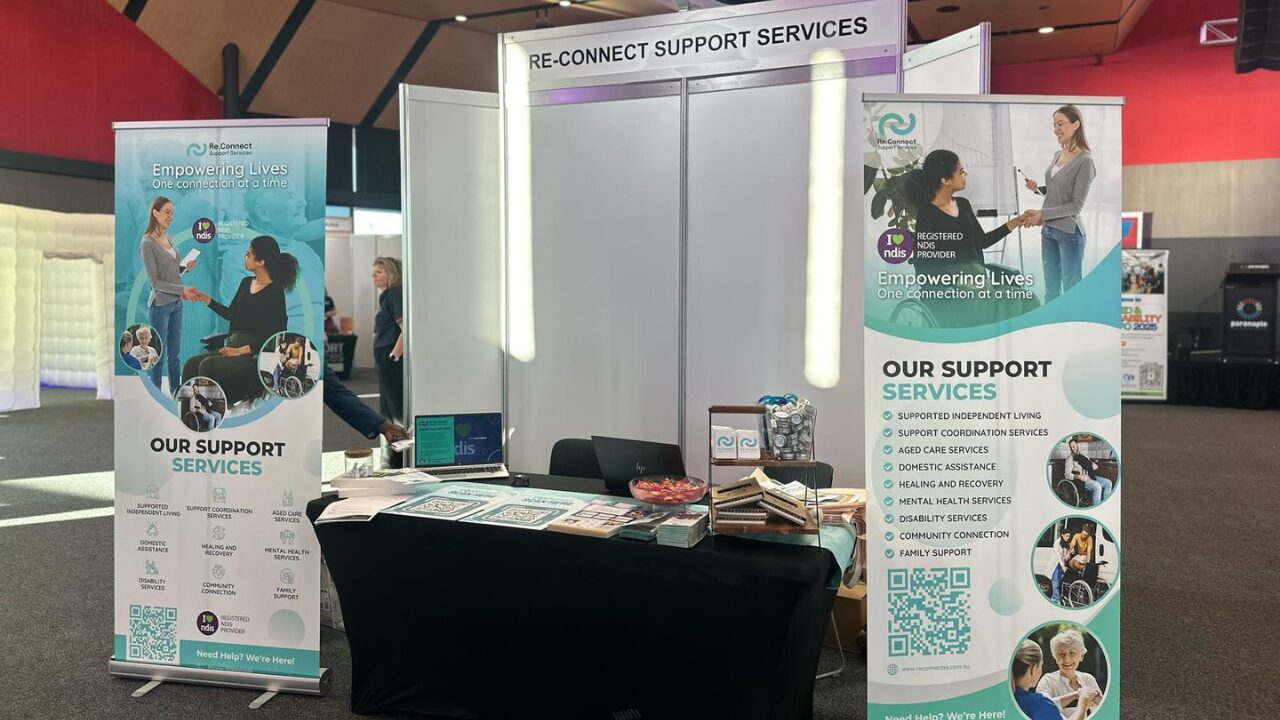
At Re.Connect Support Services, we support participants through guidance, planning, and connecting to the right services.
You do not have to navigate the system alone.
Helpful External Links
NDIS – Support coordination (official explanation):
https://www.ndis.gov.au/participants/using-your-plan/who-can-help-start-your-plan/support-coordination
NDIS – Ways to manage your funding (self managed / plan managed / NDIA managed):
https://www.ndis.gov.au/participants/using-your-plan/ways-manage-your-funding
NDIS – Preparing for your planning meeting:
https://www.ndis.gov.au/participants/creating-your-plan/preparing-your-planning-meeting
NDIS – Providing evidence of disability / supporting evidence guidance:
https://www.ndis.gov.au/applying-access-ndis/how-apply/supporting-evidence
NDIS – Finding and working with providers (participant guide):
https://www.ndis.gov.au/participants/working-providers
NDIS Commission – Find a registered provider / Provider register:
https://www.ndiscommission.gov.au/participants/find-registered-provider