
Quick Answer
Navigating the NDIS for first timers can feel overwhelming, but understanding the process makes it easier to access the right support. The National Disability Insurance Scheme provides long term funding for people with permanent and significant disabilities, aiming to build independence, daily life capacity, and community participation.
The process begins with determining eligibility, completing the NDIS Access Request Form, gathering strong supporting evidence, developing a personalised NDIS plan, choosing providers, and understanding plan management options. With the help of a Local Area Coordinator, support coordinator, or a registered NDIS provider, first time applicants can move through the NDIS journey with confidence.
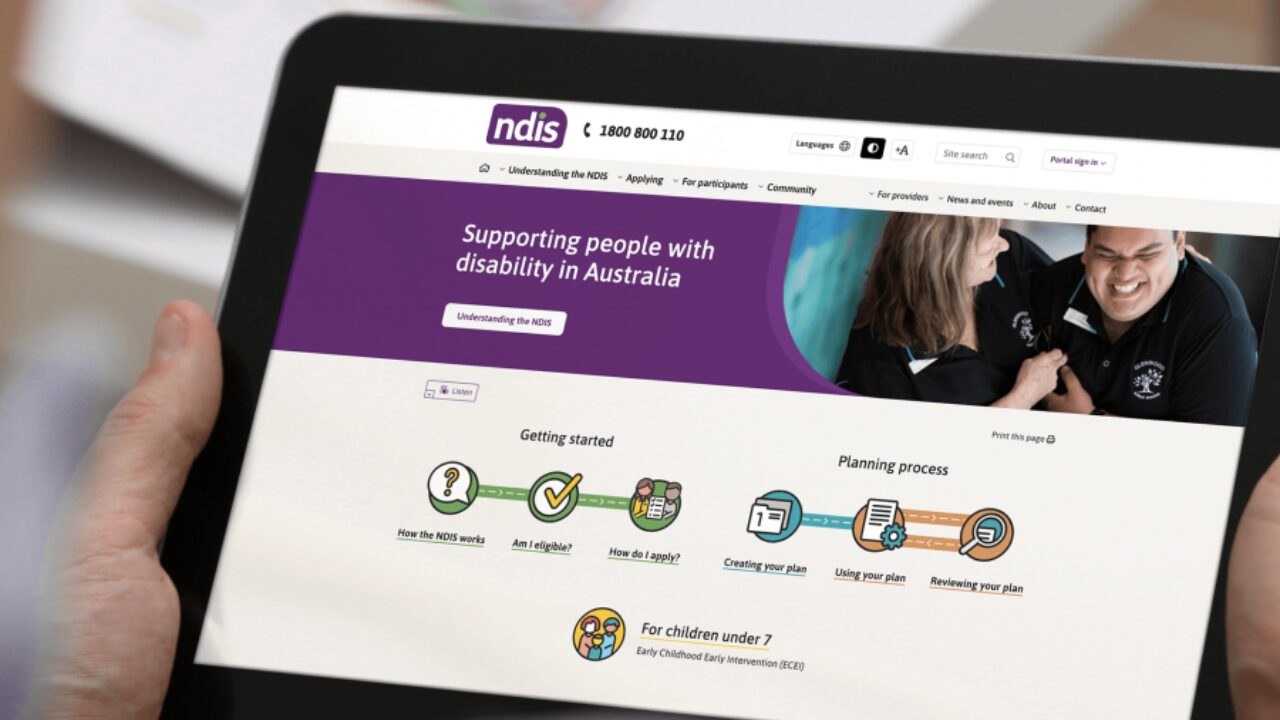
Official information can be found on the NDIS website:
https://www.ndis.gov.au/
Introduction to the National Disability Insurance Scheme

The National Disability Insurance Scheme is designed to provide long term, individualised support for Australians with permanent and significant disabilities. For individuals who are navigating the NDIS for the first time, understanding how the scheme operates is essential for accessing necessary support.
The NDIS empowers participants to have more choice and control over their supports. It helps people with intellectual disabilities, physical disabilities, mental health conditions, and other conditions that impact functional capacity. The scheme also funds assistive technology, therapy, community supports, and personalised services based on a person’s needs.
To understand the scheme from the source, visit:
https://www.ndis.gov.au/understanding/what-ndis
Understanding NDIS Eligibility
Eligibility Requirements
The NDIS has specific eligibility requirements that determine access to NDIS funding. To apply, individuals must:
- Be under 65 years old
- Be an Australian citizen, permanent resident, or Protected Special Category Visa holder
- Have a significant disability that affects daily life
- Require long term support or early intervention
Official eligibility guidelines:
https://www.ndis.gov.au/applying-access-ndis/am-i-eligible
What the NDIS Looks For

NDIS eligibility focuses on the functional impact of the disability. It considers:
- Mobility challenges
- Self care needs
- Communication difficulties
- Learning limitations
- Ability to complete everyday activities
- Level of community engagement possible
Eligibility decisions are made on a case by case basis, requiring applicants to provide substantial evidence of functional impact.
Application Process
Starting Your NDIS Application
The first step in the ndis application process is contacting the NDIS through:
- The NDIS helpline
- The NDIS website
- A Local Area Coordinator
- An early childhood partner (for children younger than six)
How to apply:
https://www.ndis.gov.au/applying-access-ndis/how-apply
For more information on disability services in Australia.
Completing the NDIS Access Request Form
Applicants must complete the NDIS Access Request Form, which collects:
- Identity documents
- Details about how the disability affects daily life
- Medical history
- Safety information
- Consent to share data
This form allows the NDIS to determine whether the applicant meets the disability criteria.
Gathering Evidence
Why Supporting Evidence Matters
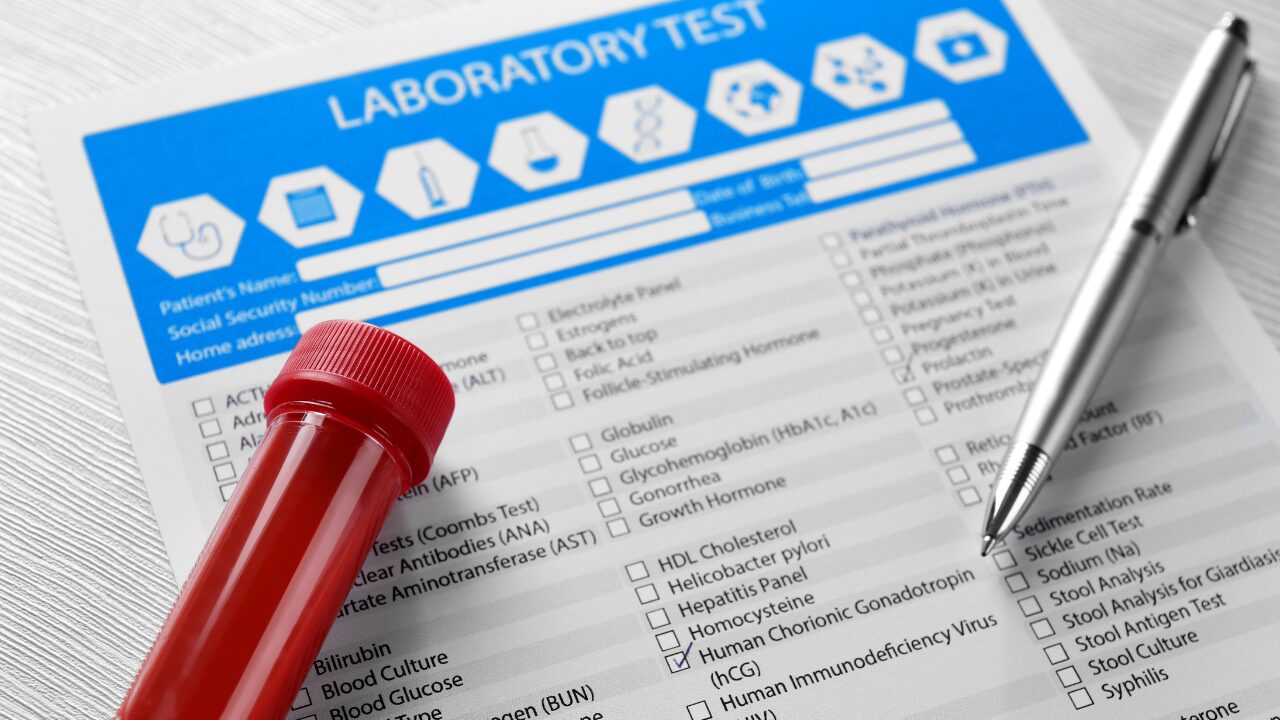
The NDIS requires detailed information and evidence to determine the level of functional impact and the need for NDIS support. Strong evidence improves the likelihood of a successful application, especially for first time applicants.
What Evidence to Provide
Evidence may include:
- Medical reports
- Statements from allied health professionals
- Functional assessments from occupational therapists, psychologists, or physiotherapists
- Reports from family members or carers
- Statements about challenges with daily tasks
- Proof of support needs for personal care and home modifications
Evidence requirements:
https://www.ndis.gov.au/applying-access-ndis/how-apply/evidence-requirements
Planning and Funding
The Planning Meeting

Once your application is approved, you will meet with an NDIS planner or Local Area Coordinator (LAC). This meeting shapes your future supports and creates your personalised NDIS plan.
What Your NDIS Plan Includes
Your NDIS plan may include:
- Core supports for daily life tasks
- Capacity building supports for building skills and greater independence
- Funding for therapies delivered by health professionals
- Assistive technology
- Home modifications
- Community participation supports
Understanding plan structure:
https://www.ndis.gov.au/participants/creating-your-plan
Understanding Plan Management
Funding Management Options
Participants can manage their funds in three ways:
- NDIA managed
- Plan managed
- Self managed
Each option offers different levels of control, flexibility, and administrative responsibility.
Why Plan Management Matters
Plan management helps participants:
- Track budgets
- Pay providers
- Understand service charges
- Avoid overspending
- Stay compliant with NDIS guidelines
More about managing your funding:
https://www.ndis.gov.au/participants/your-plan/how-manage-your-funding
Choosing Service Providers
Selecting the Right NDIS Provider
Choosing the right NDIS provider ensures you receive high quality, tailored support. Look for providers with:
- Experience in your disability
- Clear communication
- A person centred approach
- Strong relationships with clients
- A track record of delivering positive outcomes
Find providers using the NDIS Provider Finder:
https://www.ndis.gov.au/participants/working-providers/find-registered-provider
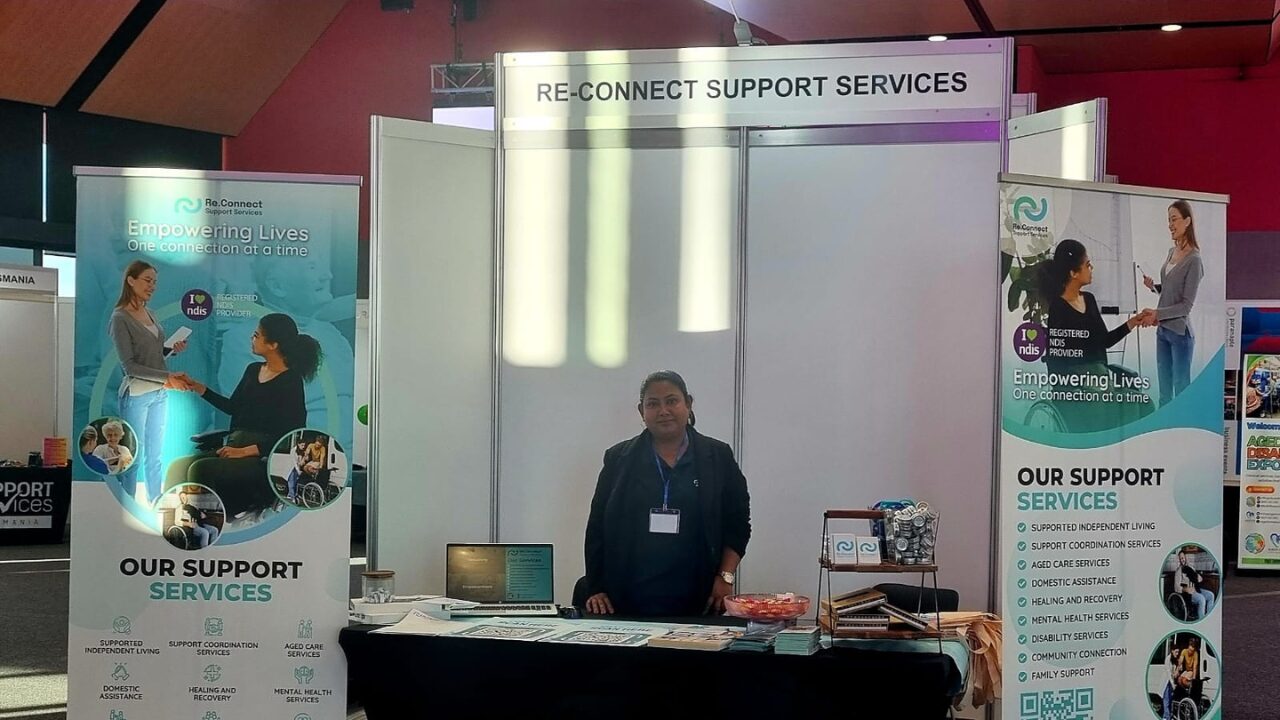
The Role of Re.Connect Support Services
Re.Connect Support Services supports first time applicants and their family members by:
- Explaining the NDIS process
- Helping with evidence collection
- Preparing for planning meetings
- Providing ongoing support coordination
- Connecting participants with community supports
- Offering compassionate and professional care
Daily Life and Support
What the NDIS Funds
The NDIS funds supports that improve daily living, such as:
- Assistance with daily tasks
- Personal care
- Community engagement
- Skill development
- Therapy services
- Independent living supports
- Assistive technology
Building Skills and Independence
Capacity building supports help participants:
- Learn new skills
- Improve mobility
- Build confidence
- Live independently
- Engage in education or work
- Strengthen community connection
Troubleshooting and Advocacy
Common Challenges
Common issues for first time applicants include:
- Insufficient evidence
- Unclear goals
- Confusion about budgets
- Difficulty choosing providers
How to Advocate for Yourself
Participants can:
- Contact their support coordinator
- Speak with their Local Area Coordinator
- Request further information
- Ask for changes if supports do not match their needs
Advocacy enables participants to ensure their needs are met appropriately.
Support for First Time Applicants
Why Guidance Helps
First time applicants may find the process confusing. Working with experienced professionals helps reduce stress for you and your loved one, ensuring a smoother experience.
Who Can Help
Support may come from:
- A support coordinator
- A Local Area Coordinator
- An early childhood partner
- A registered NDIS provider like Re.Connect
These supports help applicants stay informed, avoid common pitfalls, and access the right support.
Working with a Local Area Coordinator
The Role of LACs

A Local Area Coordinator helps with:
- Understanding eligibility
- Completing forms
- Developing the NDIS plan
- Exploring community supports
- Making referrals to local services
LACs help participants build strong relationships and confidently engage with the NDIS process.
More about LAC partners:
https://www.ndis.gov.au/partners/working-with-local-area-coordinators
Conclusion
Understanding the NDIS for first timers is the key to securing meaningful support. By learning each step, gathering strong evidence, preparing for the planning meeting, choosing the right providers, and understanding how funding is managed, By actively participating, participants can create a personalised NDIS plan that reflects their needs and goals.
With the support of Re.Connect Support Services, Local Area Coordinators, and experienced professionals, the NDIS journey becomes manageable and empowering for NDIS Participants.
Re.Connect is committed to providing compassionate care, expert guidance, and ongoing support to ensure every participant receives the services they need to achieve independence and build a fulfilling life with Disability Insurance Scheme NDIS.