
Quick Answer: What Does Care for Aged at Home Mean?
Care for aged at home refers to professional services that support older Australians in staying safe, comfortable, and supported while continuing to live life in their own home.
Instead of moving into residential care early, many older people receive aged care services through Australian aged care programs that help them stay independent and maintain wellbeing.
Official starting point for all services:
https://www.myagedcare.gov.au/
The Australian government provides funding to subsidise Home Care Packages, but you may be required to contribute a portion of the costs towards your care package based on your financial situation.
Why More Older Australians Want Support at Home

Most older Australians prefer to remain in familiar surroundings.
Living in your own home supports:
- independence
- routine
- comfort
- connection to community
- a positive lifestyle
With the right support at home, ageing does not mean losing control. It means receiving necessary care while continuing living independently.
The higher your income and assets, the greater your potential contribution towards aged care services may be.. There is a maximum amount that anyone can be asked to pay for a Home Care Package.
Understanding Australia’s Aged Care Website and Home Program Options
The Australian aged care website is the government’s main platform for accessing services, funding, and assessments.
My Aged Care portal:
https://www.myagedcare.gov.au/
Through this website, eligible clients can explore the national home program options available.
If your income and assets are below a certain threshold, you might not have to pay the income-tested care fee at all. In addition to the income-tested care fee, there is also a basic daily fee that everyone receiving a Home Care Package may be required to pay towards their package funding.
What Are the Main Government Funded Aged Care Programs?

Australia offers multiple government funded services so older people can receive quality support at home.
Key aged care programs include:
- Commonwealth Home Support Program
- Home Care Packages Program
- The upcoming Support at Home Program
These programs are supported by the Australian Government and delivered through approved providers. Your income and assets assessment is typically reviewed annually, and if there are changes in your financial situation, your fees might change accordingly.
You can locate aged care providers in your local area by using the My Aged Care search tool.
Commonwealth Home Support Program (CHSP)
The Commonwealth Home Support Program provides entry-level assistance for older people who need basic home support.
CHSP can include services such as:
- domestic assistance
- meal preparation
- transport
- social support
- home services
More information:
https://www.myagedcare.gov.au/commonwealth-home-support-program
This program is ideal for people needing smaller amounts of support. It’s important to talk with your loved one and involve them in the decisions about their care. Choosing the right aged care service provider is essential to ensure you receive care that truly enhances your quality of life.
The Home Care Packages Program Overview
The Home Care Packages Program supports older Australians who require ongoing or higher care needs.
Official program details:
https://www.myagedcare.gov.au/home-care-packages
Home care packages allow participants to receive services like:
- personal care
- nursing
- home modifications
- support workers
- complex care support
These packages vary based on the level of support required. Choosing the right aged care service provider is essential to ensure you receive care that truly enhances your quality of life.
Community centres, senior centres, libraries, and local pharmacies may have information about aged care services in your area. You can apply for an aged care assessment online and search for local aged care providers that meet your needs.
Home Care Package Levels Explained

Home care package levels are designed to match different care needs.
These levels range from:
- Level 1: basic care services
- Level 2: low-level support
- Level 3: intermediate support
- Level 4: very high support needs
The right package level depends on your aged care assessment outcome.
The Support at Home program was launched in November 2025, replacing both the Home Care Packages Program and the Short-term Restorative Care Programme. When approved for ongoing Support at Home services, you will be allocated one of eight funding classifications tailored to your specific care needs.
The Restorative Care Pathway is short-term care to help you regain function and stay independent through accessing coordinated allied health and/or nursing services.
The New Support at Home Program
Australia is introducing the Support at Home Program, a new program aiming to simplify aged care services.
Government update:
https://www.health.gov.au/topics/aged-care/support-at-home-program
This support at home program will focus on:
- easier access
- clearer funding
- flexible home care services
- better care management
The Assistive Technology and Home Modifications (AT-HM) scheme gives you upfront funding to make your home safer or more accessible.
What Services Are Included in Home Care?

Home care includes services designed to make daily activities easier.
Support services may cover:
- meal preparation
- domestic assistance
- assistance with showering
- medication support
- transport
- social engagement
These home services aim to support an older person’s wellbeing and independence. The End-of-Life Pathway will support you to remain at home and provide additional care in your last 3 months of life.
An aged care assessment will determine if you are eligible for ongoing or short-term Support at Home services. Once approved for Support at Home services, the wait time for funding depends on the date of approval and your priority category.
Personal Care and Domestic Assistance at Home
Personal care helps older people maintain dignity.
Domestic assistance helps keep the home safe.
Common services include:
- dressing support
- cleaning
- cooking meals
- laundry
- daily routine help
These services can have a positive impact on daily life. Support at Home enhances your access to a wide range of services, products, equipment, and home modifications designed to help you live independently and safely in your own home for longer.
Support Workers and Social Support
Many older people benefit from trained support workers.
Support workers provide:
- companionship
- assistance
- emotional reassurance
- help with daily tasks
Social support is essential for mental wellbeing, especially for families supporting a loved one. Key resources for elderly care include My Aged Care for assessments, the Aging Life Care Association for expert managers, and local community services for support.
Safety upgrades for elderly care include installing mobility aids, increasing lighting, and securely arranging furniture to prevent falls. Creating a consistent daily schedule supports emotional stability for elderly individuals.
Allied Health Support and Occupational Therapy
Home care services may also include allied health support such as:
- physiotherapy
- occupational therapy
- podiatry
Occupational therapy helps older people stay independent by improving home safety and daily function.
It is important to involve aging loved ones in decision-making to maintain their dignity and sense of control. Private providers can offer immediate support for elderly care if one is waiting for government funding.
Encouraging social interaction, such as through video calls, helps prevent loneliness among elderly individuals.
Home Modifications and Assistive Technology
Home modifications can prevent falls and improve independence.
Examples include:
- grab rails
- ramps
- shower chairs
- improved lighting
Assistive technology may also be funded, such as mobility aids.
These supports help older people remain in their house safely. Geriatric Care Managers assist in coordinating care and are often available through the Aging Life Care Association. Removal of clutter, loose rugs, and electrical cords is necessary for preventing falls in elderly home care.
Personal care services include assistance with showering and getting ready in the morning. Domestic assistance services include household tasks like cleaning and laundry. In-home care services can support individuals with complex health needs, including dementia and cognitive decline.
Funding Sources and Services Australia

Home care is government funded, but contributions may vary depending on financial situation.
Some information may come through Services Australia:
https://www.servicesaustralia.gov.au/aged-care
Understanding costs early helps avoid hidden costs later. Installing handrails, removing tripping hazards, managing medications, and arranging regular check-ins are key strategies for elderly care.
Home care services can help elderly individuals with everyday tasks such as meal preparation and transport to activities. Caring for aging loved ones at home requires proactive safety modifications, organized care planning, and utilizing community resources.
Aged Care Assessment: The First Step to Accessing Support

An aged care assessment is required before receiving services.
Assessment process:
https://www.myagedcare.gov.au/get-assessed
The aged care assessment determines:
- eligibility
- care needs
- level of support
- funding approval
It ensures necessary care matches individual circumstances.
Creating a Personalised Care Plan
After approval, your aged care provider works with you to create a care plan.
A care plan outlines:
- services provided
- support schedule
- care management goals
- wellbeing priorities
The care plan should always match lifestyle and preferences. Low-impact physical activities, such as gentle stretching or walking, are recommended to maintain mobility in the elderly.
The Commonwealth Home Support Programme (CHSP) provides entry-level support for basic tasks like cleaning, meals, or transport. Regular health monitoring and doctor visits are essential to manage chronic conditions in elderly individuals.
Care Management and Coordinated Support
Care management ensures services run smoothly.
A coordinated provider helps maintain:
- quality care
- consistent delivery
- appropriate support
- ongoing plan reviews
This reduces stress for clients and families.
Legal and financial arrangements, such as having Powers of Attorney and Advance Directives, are crucial in elderly care planning. Medication management includes using pill organizers and setting alarms to ensure timely medication intake.
Restorative Care Pathway and Short Term Care Options
Some older people benefit from short term pathways such as restorative care.
The restorative care pathway focuses on:
- recovery after illness
- rebuilding strength
- short term care support
This helps many older Australians return to independence faster.
Complex Care and End of Life Pathway Support
Home care can also include complex care needs such as:
- nursing support
- chronic illness management
- high support situations
Some individuals may enter an end of life pathway where comfort-focused quality support becomes essential.
Respite Care Options for Families and Carers

Respite care provides relief for carers.
Respite care can include:
- in-home respite
- centre-based respite
- temporary short term care stays
Respite access:
https://www.myagedcare.gov.au/respite-care
This helps families maintain balance while supporting a loved one.
Self Managing vs Provider Coordinated Home Care
Some participants prefer self managing their home care package.
Others prefer provider coordination.
Self managing involves:
- scheduling
- budgeting
- managing services
Coordinated care offers more support and less administration.
Choosing the Right Aged Care Provider
Choosing the right aged care provider is critical.
Look for providers offering:
- quality care
- strong support services
- transparency
- approved government funded programs
- a professional team
A provider should always respect independence and wellbeing.
Practical Checklist for the First 30 Days of Home Care
In the first month:
- complete a home safety audit
- arrange meal preparation support
- confirm emergency contacts
- organise respite care options
- review assistive technology needs
This early planning helps maintain consistent care delivery.
Complaints, Quality Standards, and Support Pathways
If concerns arise, complaints can be lodged through the Aged Care Quality and Safety Commission:
https://www.agedcarequality.gov.au/making-complaint
All providers must meet quality care standards.
Resources and Next Steps
Key links to help you access services:
Home Care Packages Program:
https://www.myagedcare.gov.au/home-care-packages
CHSP home support:
https://www.myagedcare.gov.au/commonwealth-home-support-program
Support at Home Program:
https://www.health.gov.au/topics/aged-care/support-at-home-program
Aged care assessment:
https://www.myagedcare.gov.au/get-assessed
Services Australia aged care funding:
https://www.servicesaustralia.gov.au/aged-care
Re.Connect Support Services: Quality Support at Home
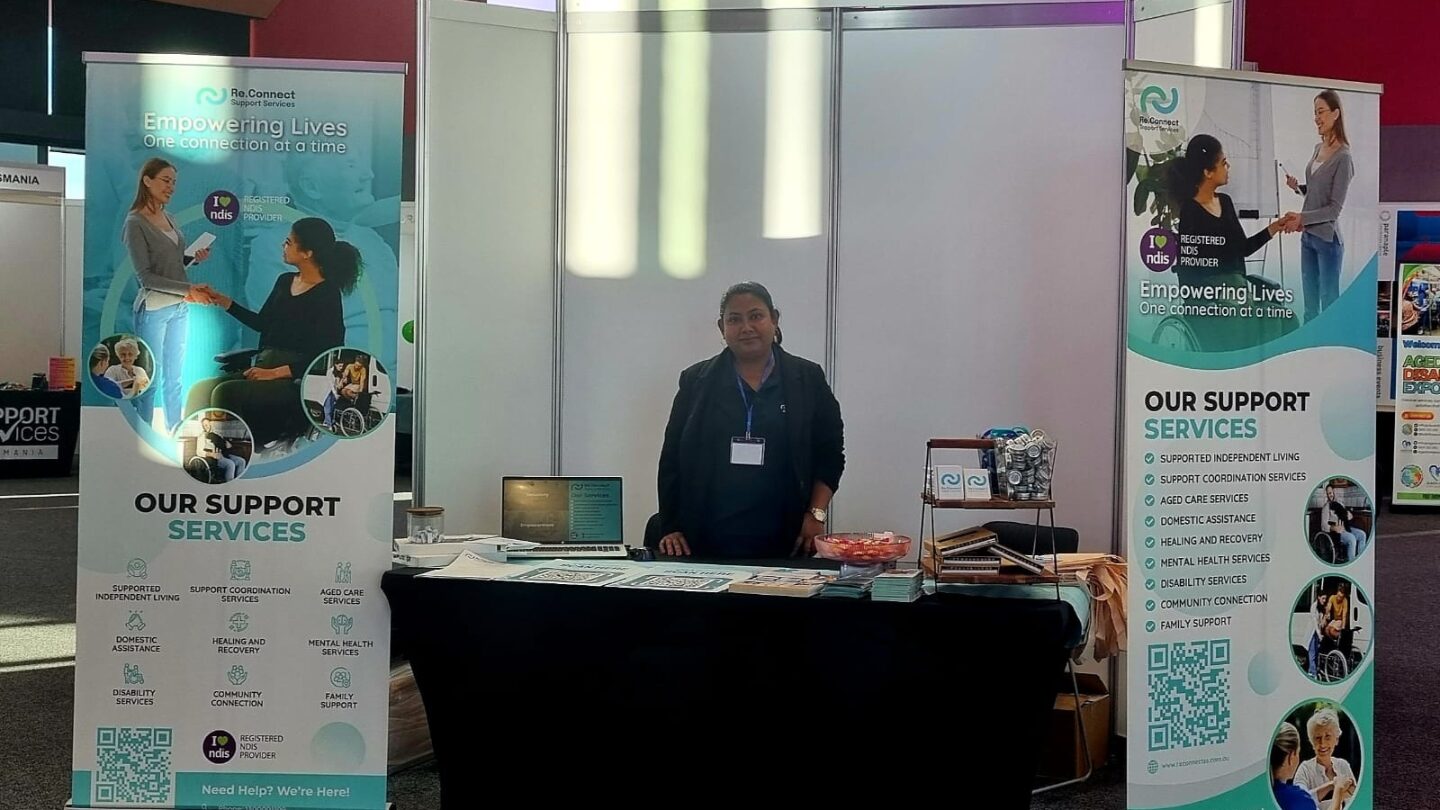
At Re.Connect Support Services, we understand how important it is for older people to stay independent in their own home.
We provide:
- aged care services
- domestic assistance
- meal preparation
- respite care support
- care management guidance
- tailored home care services
We work closely with families to ensure every older person receives appropriate support with dignity, respect, and confidence.
If you are exploring care for aged at home, we are here to help you speak with a caring team and access the right services.