
Introduction to Cardio Exercises for Elderly
Cardio exercises for elderly individuals are essential for maintaining independence, mobility, and overall health as age increases.
Cardiovascular exercise refers to any aerobic activity that raises the heart rate and keeps the body moving in a safe way.
For older adults, the goal is not extreme workouts but regular physical activity performed at moderate intensity.
Staying physically active supports heart health, improves balance, strengthens muscles, and reduces the risk of chronic condition complications such as heart disease.
The aim is simple. Maintain independence and improve quality of life through safe, structured movement.
Physical Activity Guidelines for Older Adults
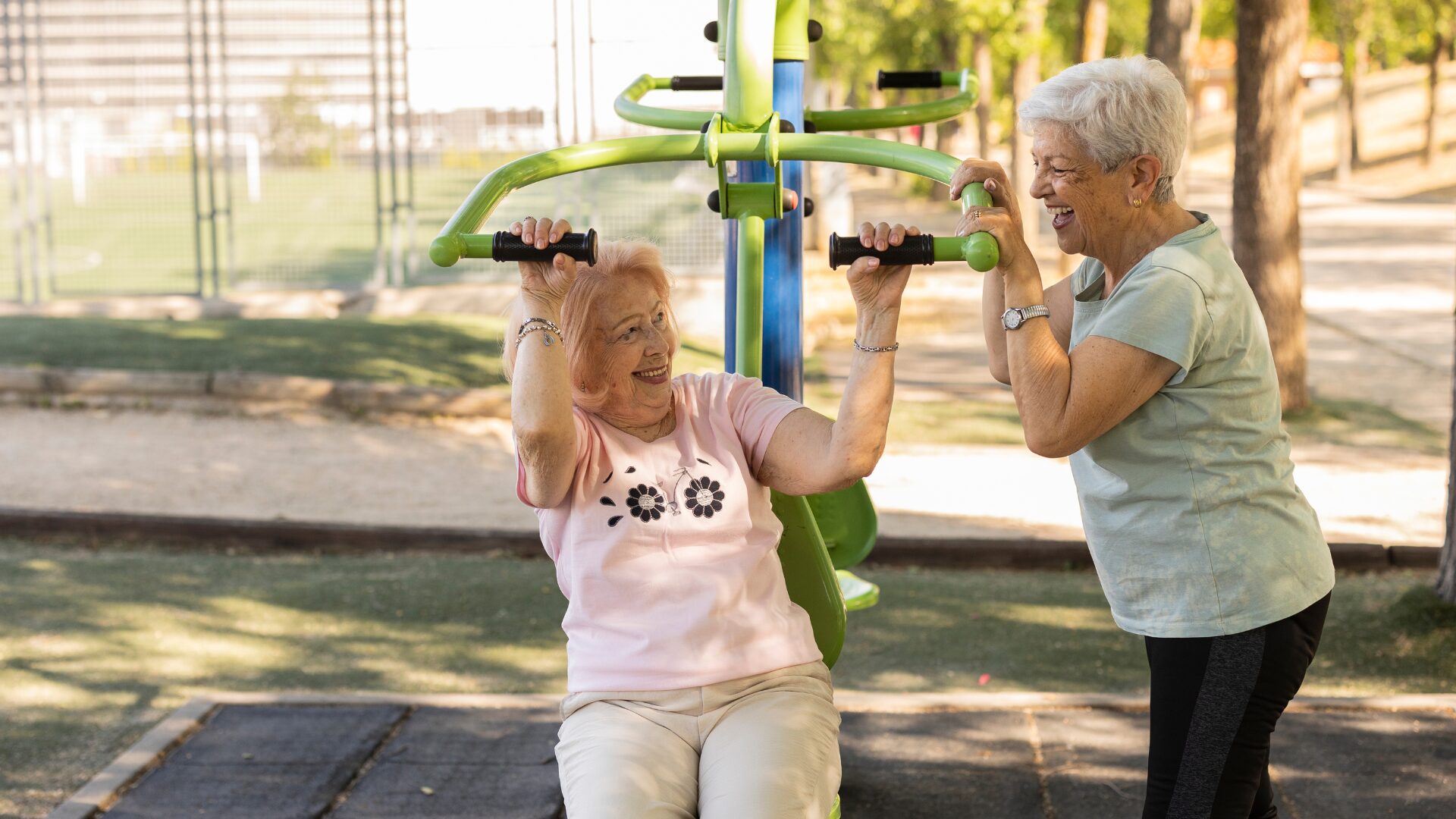
According to Australian physical activity guidelines, older adults should aim for at least 150 minutes of moderate aerobic activity each week.
This recommended amount can be achieved through brisk walking, cycling, or water aerobics spread across the week.
Physical activity recommendations also include muscle strengthening activities at least two days per week.
Balance activities such as tai chi are strongly encouraged to improve balance and reduce injury risk.
You can review official Australian physical activity guidelines here:
https://www.health.gov.au/topics/physical-activity-and-exercise
American Heart Association Recommendations
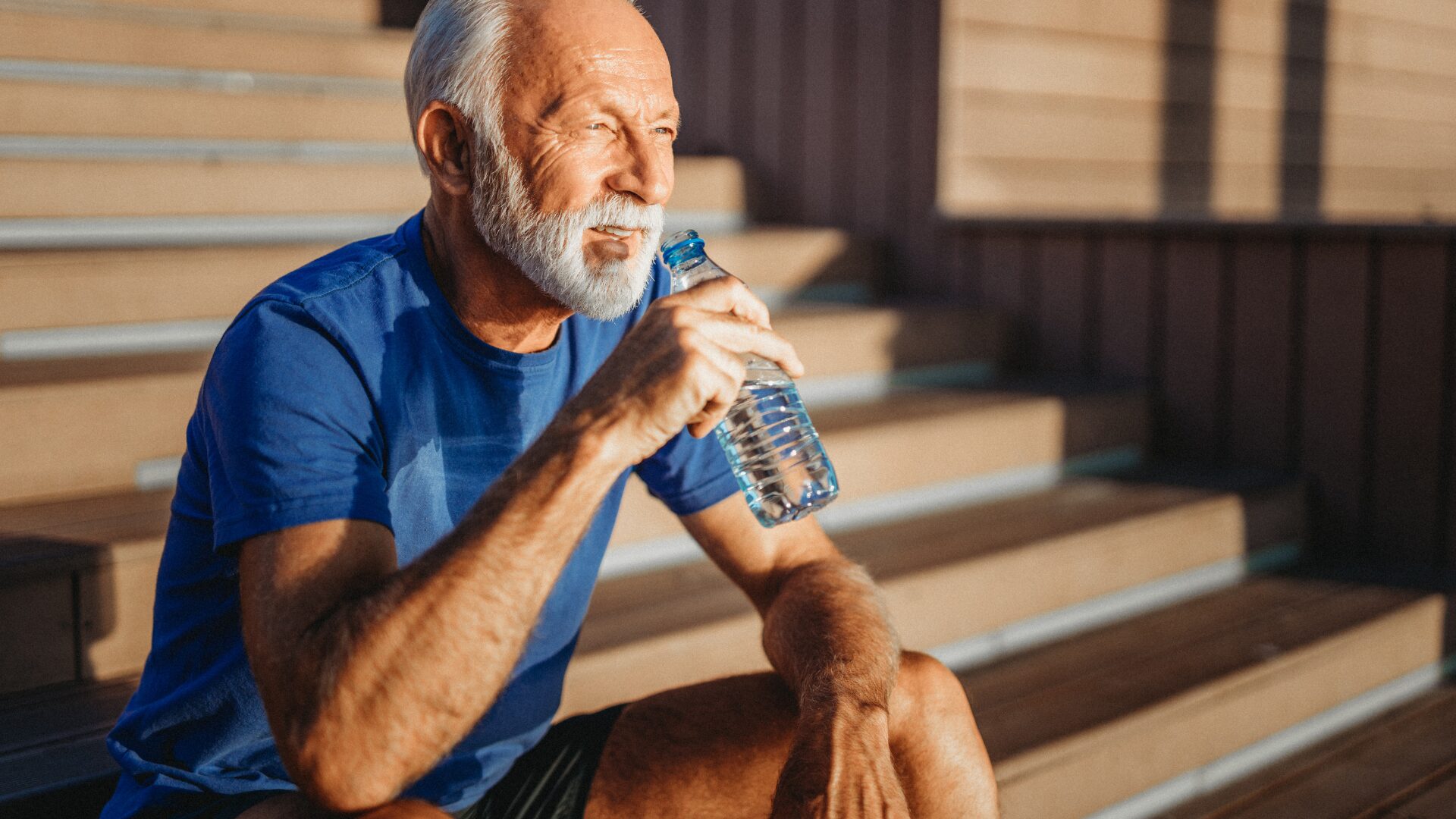
The American Heart Association recommendations highlight the importance of aerobic exercise for heart health and overall fitness.
Adults with heart disease or a chronic condition should consult their doctor before beginning vigorous exercise or vigorous intensity activity.
Monitoring heart rate during cardio sessions ensures the exercise regimen remains safe.
More information is available here:
https://www.heart.org/en/healthy-living/fitness
Health Benefits of Cardiovascular Exercise
Regular cardiovascular exercise improves circulation and strengthens the heart muscle.
The health benefits include reduced risk of heart disease, better blood pressure control, and improved cholesterol levels.
Aerobic activity also supports cognitive function, mood, and sleep.
Regular physical activity enhances overall health and promotes active ageing, and NDIS capacity building supports for independence and personal growth can further complement these benefits.
Understanding Moderate and Vigorous Intensity
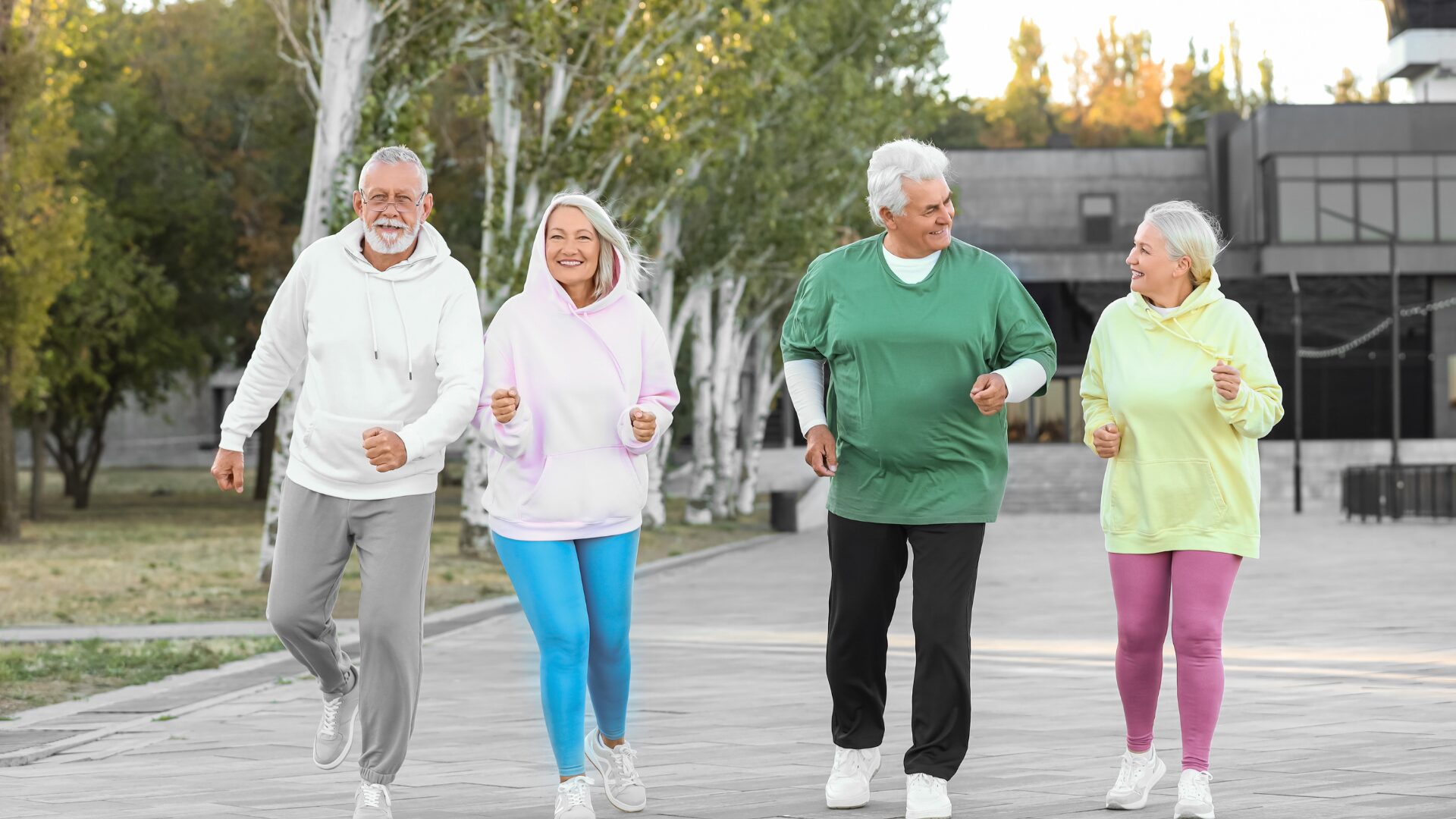
Moderate intensity exercise means you can talk but not sing during the activity. Walking is a simple and effective form of aerobic exercise for older adults.
Vigorous intensity causes heavier breathing and higher effort levels. Moderate aerobic exercise can include activities like brisk walking, cycling, and dancing.
For many older adults, moderate aerobic activity is safer than vigorous intensity exercise.
Intensity should match fitness level, age groups, and medical history.
Always increase effort gradually and in a safe way. Incorporating balance exercises can help prevent falls in older adults, and appropriate assistive technology to support safe movement can also be considered where needed.
Safe Warm Up and Progression
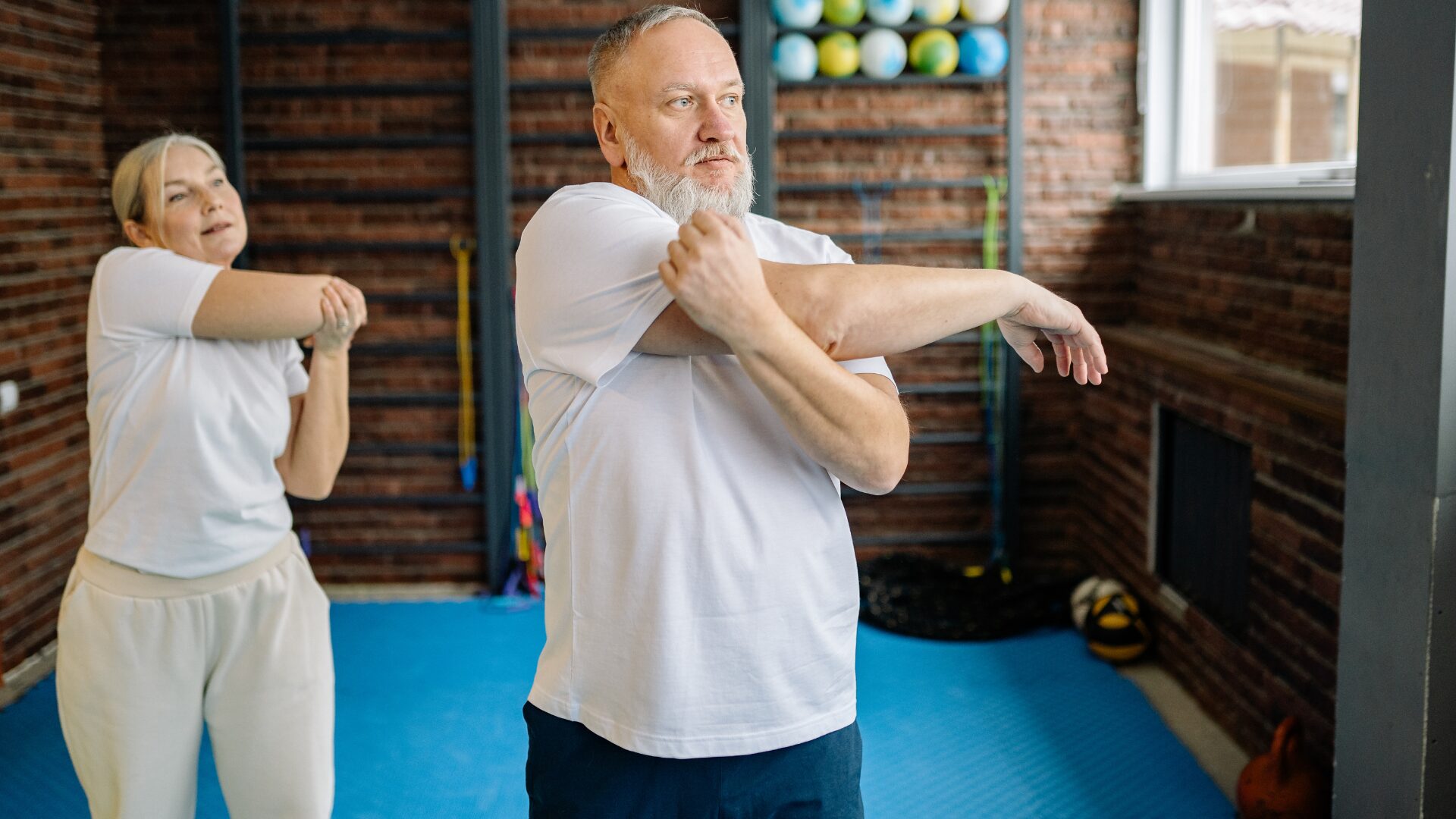
Every workout should begin with a warm phase. Stretching before and after exercise is important for older adults to improve flexibility.
Start in a starting position with feet hip width apart and feet flat on the floor.
March gently while swinging arms to shoulder height.
Stretching the shoulders, hips, chest, and leg muscles prepares the body for exercise.
After activity, allow time to rest and cool down to reduce injury risk.
Cardio Exercises for Elderly by Age Groups
Low-impact activities for seniors include walking, swimming, water aerobics, cycling, dancing, and using elliptical machines. You can break your exercise into 10- or 15-minute chunks throughout the day. Moderate aerobic exercise can include activities like brisk walking, cycling, or dancing.
Age 60s
Brisk walking for 30 minutes five days per week supports heart health.
Cycling and water aerobics provide excellent low impact cardio. Chair cardio is a safe alternative for those who struggle with balance or standing for long periods.
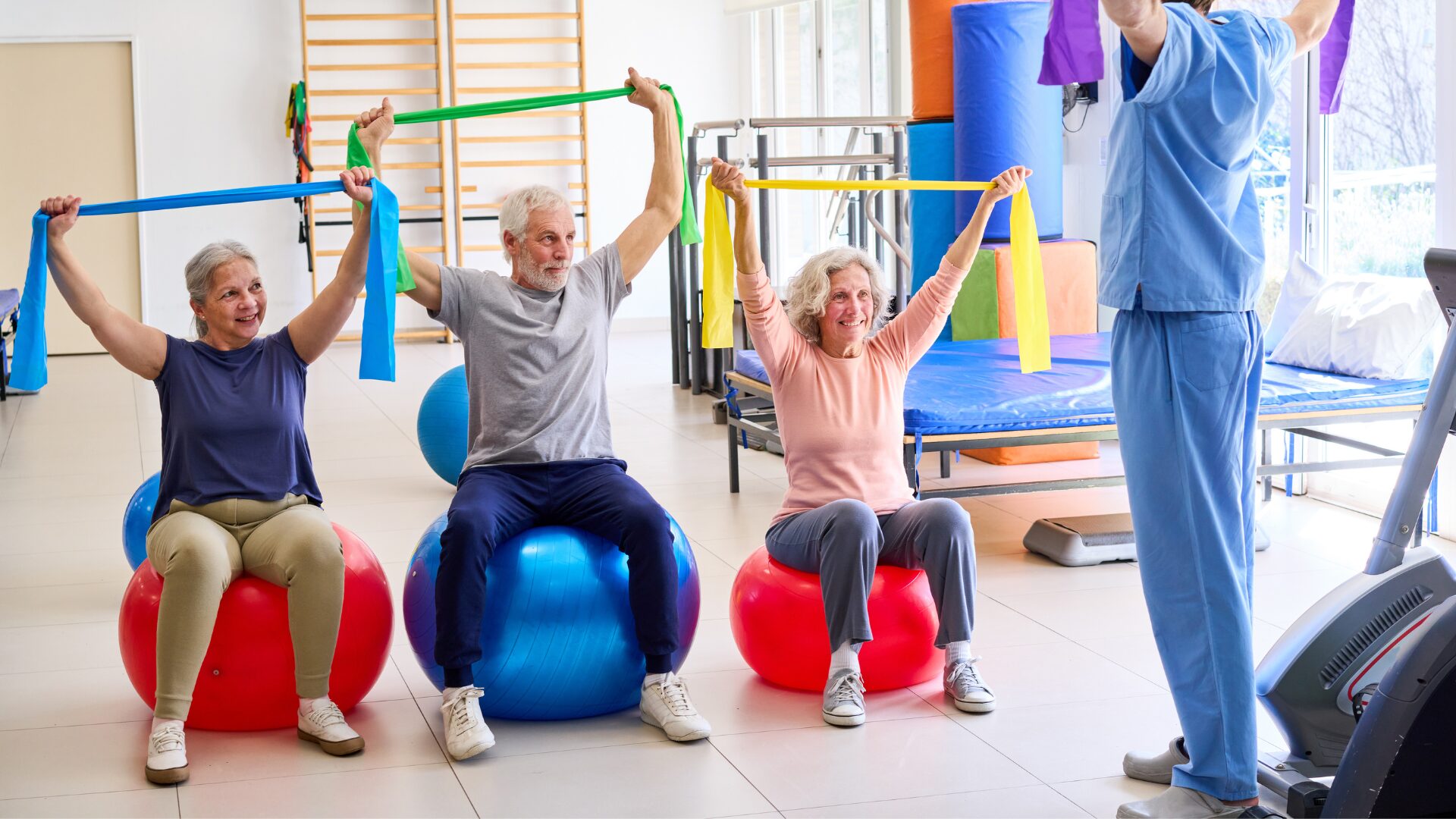
Include push ups against a wall and light weights or resistance bands for muscle strengthening activities. Cycling on a recumbent bike is safer than on a standard bicycle and reduces stress on the knees and hips.
This supports abdominal muscles and overall fitness. Water aerobics and swimming are ideal for individuals with arthritis or joint pain as water supports body weight and provides natural resistance.
Age 70s
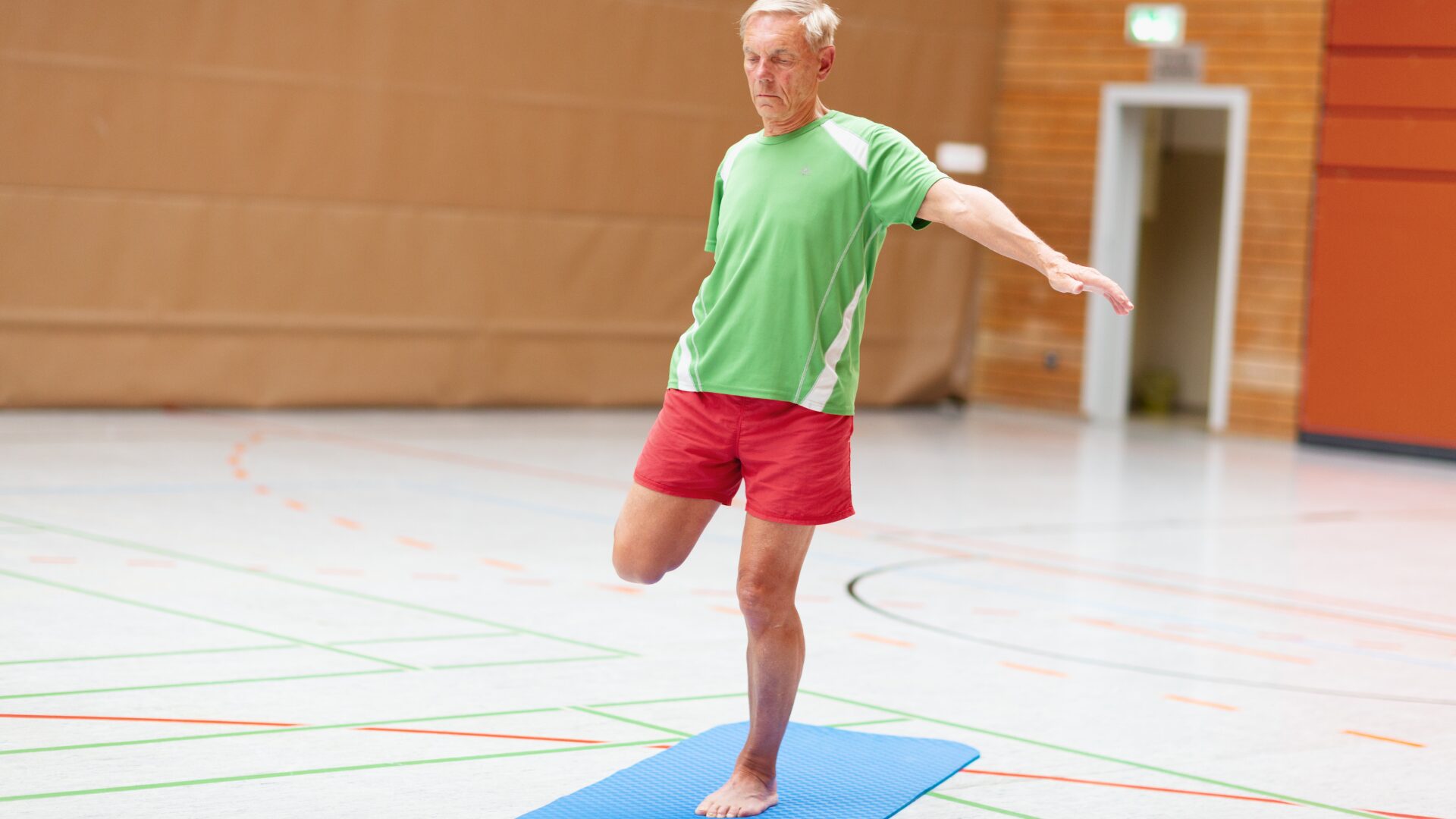
Walking with poles improves balance and stability. Brisk walking is a versatile, low-impact activity that can be done anywhere.
Chair based aerobic exercise helps those with limited mobility, and some may also benefit from Supported Independent Living (SIL) services in Adelaide for additional day-to-day support.
Step forward with the right foot, then the opposite leg, to improve coordination.
Tai chi is highly effective for balance activities and reducing fall risk, while appropriate NDIS nutritional support for older adults can further improve overall health outcomes.
Age 80s and Above
Short sessions across the week are effective.
Seated marching with upbeat music keeps the body moving.
Lift arms to shoulder height and perform light leg movements to maintain muscle strength.
Water aerobics is gentle and ideal for joint support.
Always incorporate warm-ups and cool-downs into exercise routines to prevent injury.
Muscle Strength and Balance
Muscle strengthening activities help maintain independence.
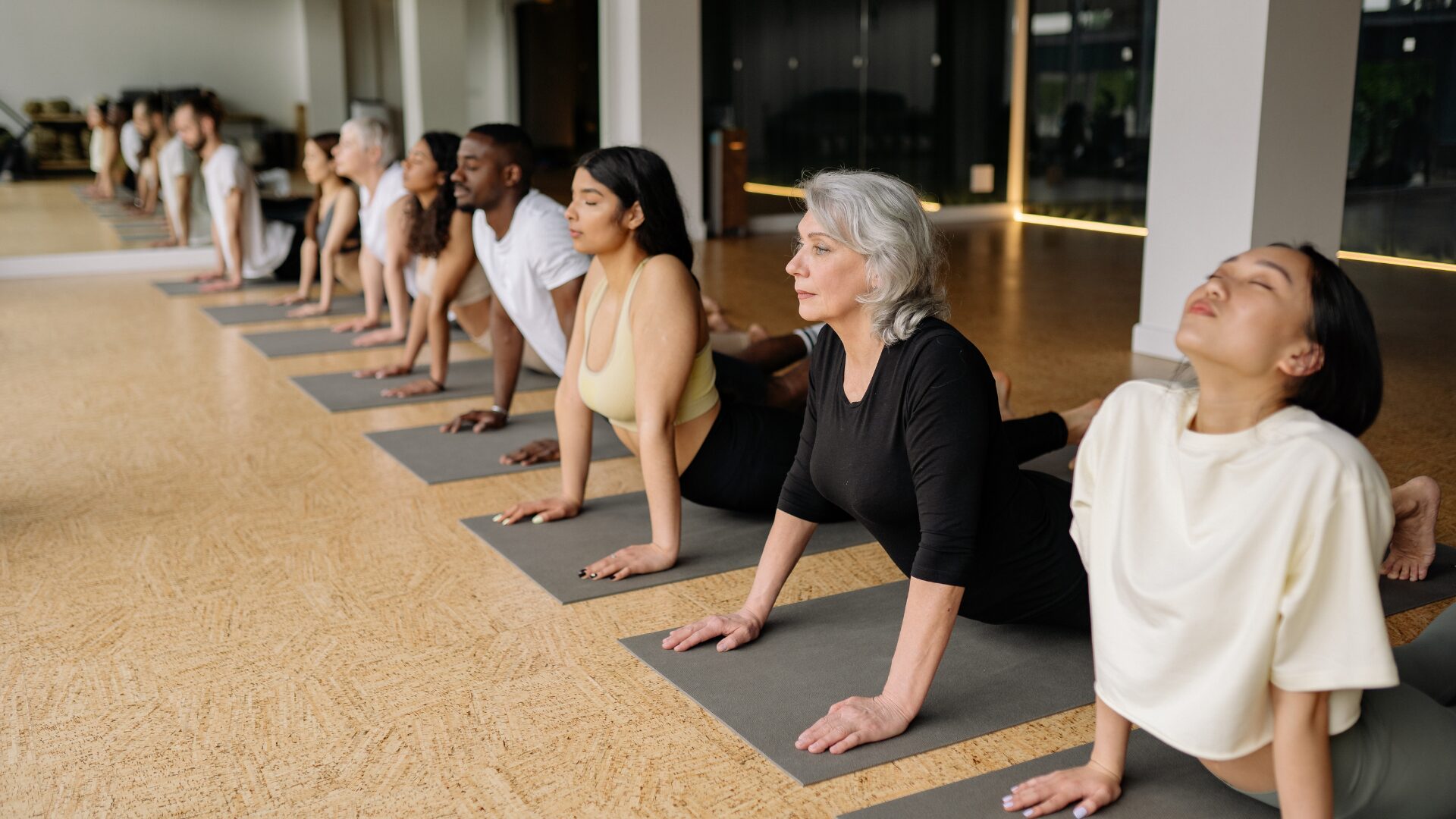
Yoga can be integrated into the exercise regimen of older adults to improve flexibility and balance, and some individuals may also benefit from tailored healing and recovery services alongside physical activity.
Using resistance bands or light weights strengthens muscles safely, and support coordination to streamline daily living supports can help ensure these activities fit within a broader care plan.
Standing exercises with feet shoulder width apart improve stability.
Balance exercises protect against falls and support daily living. Doing exercises to improve strength, balance, and flexibility will help make older adults stronger and feel more confident on their feet.
Strong abdominal muscles and leg strength reduce strain on hips and chest during movement.
Resistance exercises help increase muscle and core strength and improve flexibility. Stretching daily will improve your range of motion and make activities more comfortable. Engaging in strength training with bands or light weights twice a week is recommended for overall stability, and working with NDIS support coordinators to manage and coordinate services can make it easier to maintain a consistent routine.
Monitoring Heart Rate and Effort
Check resting heart rate before starting cardio.
During aerobic activity, monitor heart rate to maintain moderate intensity.
If chest discomfort, dizziness, or severe fatigue occurs, stop immediately.
Adults managing heart disease should always consult a doctor before vigorous exercise.
Injury Prevention and Safety
Wear supportive footwear during walking or cycling sessions.
Avoid overexertion, especially when beginning a new exercise regimen.
Progress gradually across the week rather than increasing intensity too quickly.
Injury prevention is key to staying active long term.
Staying Motivated and Consistent
Regular physical activity is easier when enjoyable, and access to tailored mental health recovery and social participation programs can also increase motivation to stay active.
Listen to upbeat music during workouts.
Join community fitness classes for older adults or explore community connection and engagement supports through NDIS providers.
Access local resources and related topics on healthy ageing through the Heart Foundation:
https://www.heartfoundation.org.au
Consistency builds lifelong benefits.
Final Thoughts
Cardio exercises for elderly individuals should prioritise moderate intensity, safe progression, and consistent effort.
The goal is not extreme performance but maintaining independence, improving balance, strengthening muscles, and protecting heart health.
With the right exercise regimen, older adults can continue living an active life at any age.
At Re.Connect Support Services, we support older adults in staying physically active and accessing appropriate community programs.
Re.Connect Support Services is your Daily NDIS Guide, helping you stay active, informed, and supported every step of the way.