Launceston is compact, walkable and packed with accessible activities for adults with disability. From gorge-side cafés to wetland boardwalks and river cruises, the city delivers accessible parks, cultural venues, and boat cruises without requiring a car for every outing. Launceston offers accessible options for visitors with mobility challenges, sensory considerations, and varying energy levels alike.
This guide focuses on practical, on-the-ground access details: parking, paths, accessible toilets, costs, and how support workers can help people participate. Re.Connect Support Services works alongside adults with disability in and around Launceston, so the perspective here is local and tested. Information is drawn from public resources including the City of Launceston, Parks & Wildlife Tasmania and attraction websites – always double-check close to your visit, as conditions change.
How We Chose Launceston’s Best Accessible Activities
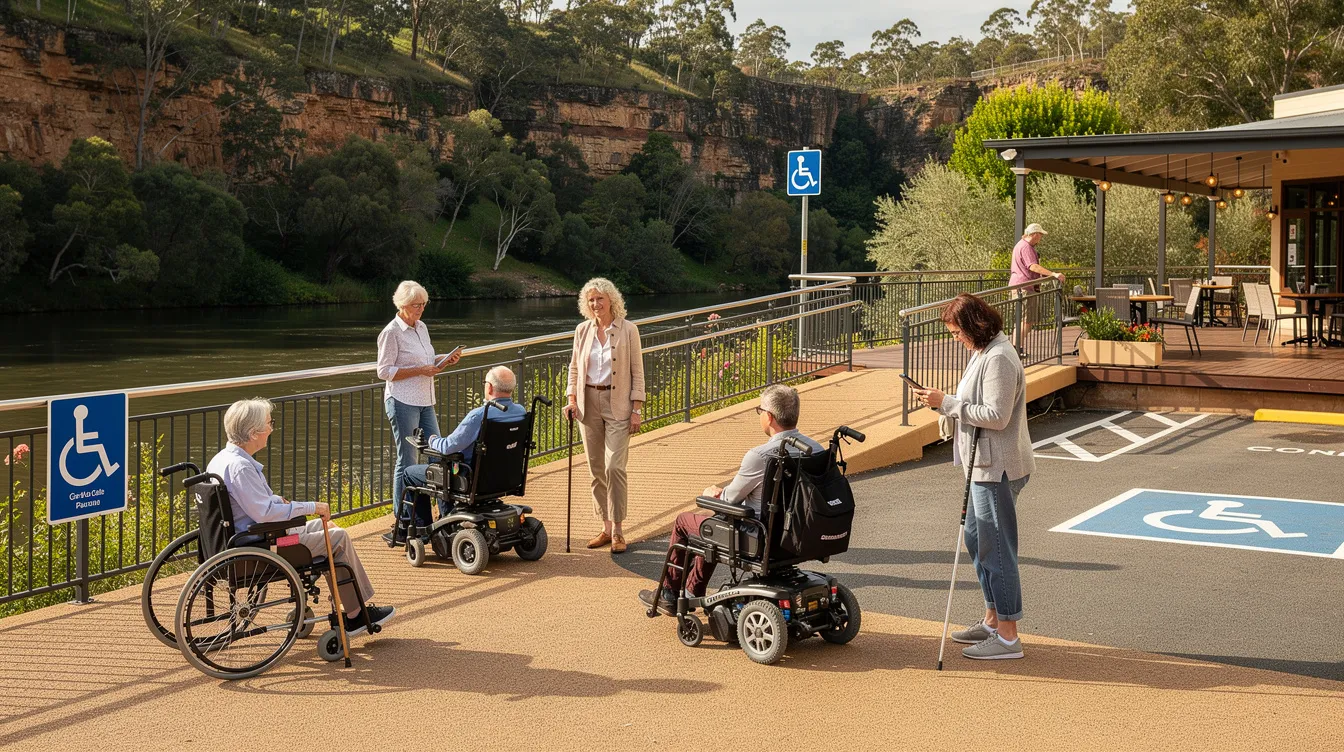
Not every attraction made the list. We selected places with clearly documented access features based on these criteria:
- Step-free or ramp access to main areas
- Accessible toilets (including MLAK or Changing Places where confirmed)
- Accessible parking bays and drop-off points nearby
- Mostly level paths suitable for wheelchair users, walkers and mobility scooters
- Welcoming policy for assistance dogs and support workers
- Cost transparency, including Companion Card acceptance
- Suitability for adults, not just children’s playgrounds
Activities are grouped by type and summarised later by goal. Links point to official or high-authority sources so you can verify the latest details.
Top Accessible Things to Do in Launceston for Adults with Disability
This section covers specific attractions and what to expect on arrival. Most prices are current as of late 2026 but may change – confirm on official websites.
1. Cataract Gorge Reserve: Accessible Nature, Chairlift & Cafés Close to the CBD
Cataract Gorge is Launceston’s signature attraction, roughly 15 minutes’ walk or a short drive from the Launceston CBD. It combines level riverside walks, accessible cafés, a swimming pool area and lookouts in one compact spot.

Why it stands out: Cataract Gorge Reserve has a free inclinator for accessing the First Basin area, providing step-free travel between the car park, café level and picnic grounds. The sealed Cataract Walk (~1 km from Kings Bridge to First Basin) is suitable for wheelchairs, walkers and mobility scooters. Cataract Gorge Reserve has accessible tracks and facilities throughout the basin side, including accessible toilets, showers, BBQs and drinking fountains.
Best for: Adults who enjoy gentle nature, people-watching and café stops. NDIS participants working on community participation or physical activity goals with their support worker.
Key accessibility features:
- First Basin Car Park has ~200 spaces including disability access parking zones (display your Australian Disability Parking permit). Cost is approximately AU$6/day.
- Basin Café offers wheelchair access and scenic views. Gorge Restaurant has wheelchair-friendly public restrooms nearby.
- Sealed, mostly level paths on the basin side; steeper tracks like Duck Reach require assistance and are more rugged tracks.
- Accredited animals assisting people are permitted under Tasmanian law.
Costs & booking tips: Free entry to the reserve. Chairlift tickets vary by age; confirm whether carers ride free with Companion Card on the operator’s site. Quieter times are weekday mornings.
How support workers can help: Assist with navigating slopes, choosing rest spots on benches, café ordering and money handling. The outing can also practise wayfinding or public transport skills.
2. Queen Victoria Museum & Art Gallery (QVMAG): Inclusive Culture Across Two Sites
QVMAG operates across two sites: the Museum at Inveresk (science, Tasmanian history, planetarium) and the Art Gallery at Royal Park (fine art). Both sit in or near the CBD.
Why it stands out: The Queen Victoria Museum offers wheelchair access with wide corridors, lifts between floors, and free entry to general exhibitions. Exhibits explore the complex history of the region, including Tasmanian Aboriginal People and European settlement, alongside science and art. The quieter indoor environment suits people who prefer predictable, low-sensory settings.
Best for: Adults interested in art, history or sensory-friendly indoor activities. Support workers and participants seeking low-cost outings that feel enriching.
Key accessibility features: Step-free entrances, lifts, accessible toilets at both sites, accessible parking bays via Paterson Street West car park (Royal Park) or Inveresk lot. Wheelchair accessible buses on Metro Tasmania routes service Inveresk. Assistance dogs welcome. Staff at reception can help with directions and adjustable seating options.
Costs & planning: Free general admission. Special exhibitions or planetarium shows may carry fees – enquire directly. Visit weekday mornings for quieter conditions.
How support workers can help: Co-create a simple plan with the participant – which galleries to visit, how long to stay, when to rest. Use exhibits as conversation prompts to support communication goals.
3. Harvest Launceston Community Farmers’ Market: Saturday Morning Social Outing
This popular Saturday market (8:30 am–12:30 pm) runs on a level site in Cimitiere Street car park, central Launceston.
Why it stands out: A lively community feel with local food stalls and live music on a flat asphalt surface. Assistance dogs are welcome, and accessible toilets are nearby. Earthy Eats caters to all dietary needs in Launceston and is among the vendors you may find here.
Best for: Adults working on social skills, budgeting, community inclusion or food-related goals.
Key accessibility features: Step-free access across the car park; parking bays in nearby city disabled bays. Visit the relevant visitor centre accessibility map for locations.
Costs & planning: Free entry; costs are for food only. Arrive 8:30–9:30 am to avoid peak crowds.
How support workers can help: Support budgeting and decision-making, coach ordering from stallholders, offer seating breaks and identify quieter corners if the market feels overwhelming.
4. Tamar River Cruises: Viewing Launceston from the Water
Tamar River Cruises depart from Home Point, with options ranging from a 50-minute gorge cruise to a 4-hour lunch cruise up the Tamar River.
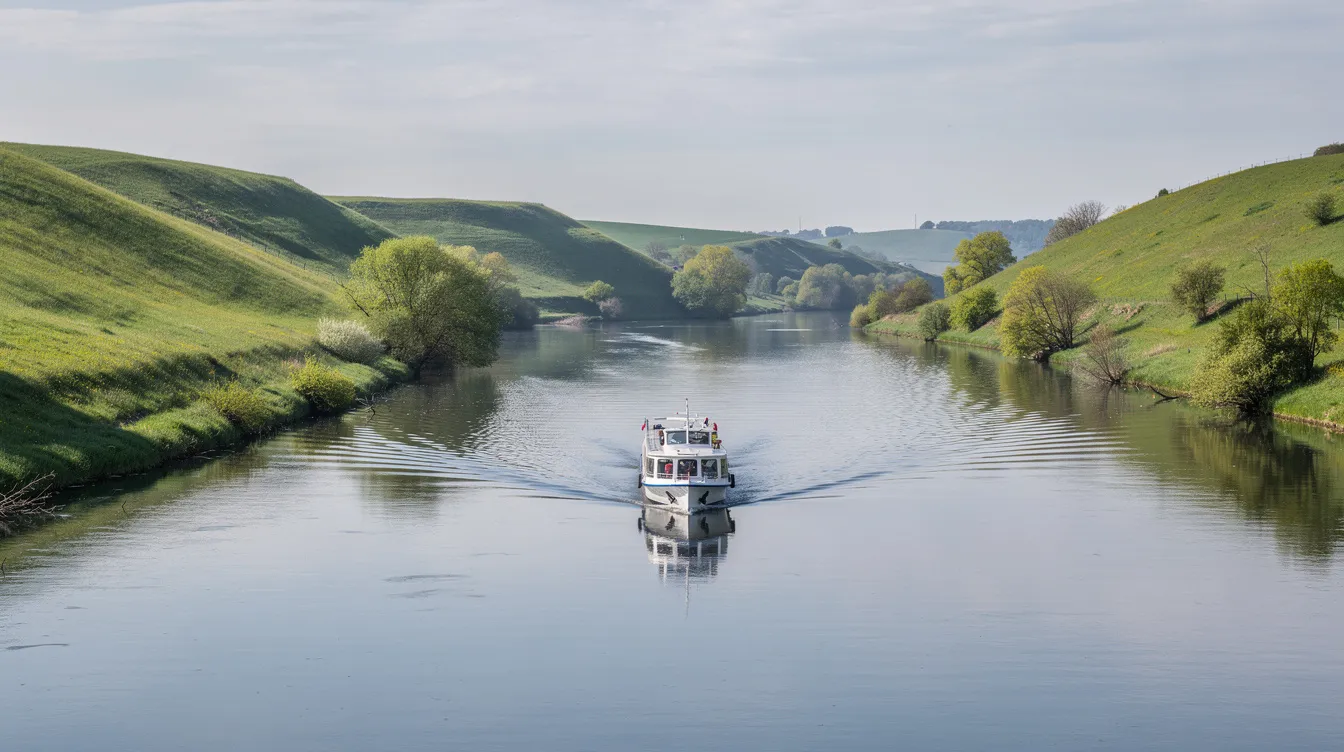
Why it stands out: Cataract Gorge cruises on the Lady Launceston are wheelchair accessible. Commentary and scenery with minimal walking make this ideal for enabling travellers who prefer guided, structured experiences.
Key accessibility features: Free parking at the terminal; ramp or step-free boarding (declare wheelchair size and type when booking via Tamar River Cruises). Onboard accessible toilets on some vessels. Assistance dogs accommodated – confirm at booking.
Costs & booking: Prices vary by cruise type. Book in advance, state access needs clearly, and check Companion Card acceptance with the operator.
How support workers can help: Assist with ramp navigation, securing a comfortable seat, and using commentary as a conversation starter or cognitive activity.
5. National Automobile Museum of Tasmania: Accessible Nostalgia for Car Lovers
Located near City Park on Lindsay Street, this museum houses over 100 years of automobile history in level, indoor exhibit halls. Nearby, Riverbend Park features wide, flat pathways and inclusive play equipment for all abilities.
Why it stands out: Fully wheelchair accessible with level access throughout, accessible toilets and shower bench, and free onsite parking. The Ducks Bar and Restaurant provides red-carpet ramp service nearby. Stillwater Restaurant serves fresh local produce and is accessible, also within easy reach.
Best for: Adults who enjoy vehicles, design, nostalgia or photography in a predictable indoor environment.
Costs & planning: Adults ~AU$8.50, children ~AU$4.50; Companion Card accepted. Summer hours 9 am–5 pm, winter 10 am–4 pm. Most visitors spend 60–90 minutes, combining nicely with a City Park stroll.
How support workers can help: Support pacing and rest if standing is tiring. Encourage participants to photograph favourite vehicles and create a simple photo story for later reflection.
6. Tamar Island Wetlands: Boardwalks, Birds and Big Sky Views
About 10 minutes’ drive from Launceston, this Parks & Wildlife Tasmania reserve features a visitor interpretation centre and long boardwalks through estuarine wetlands.
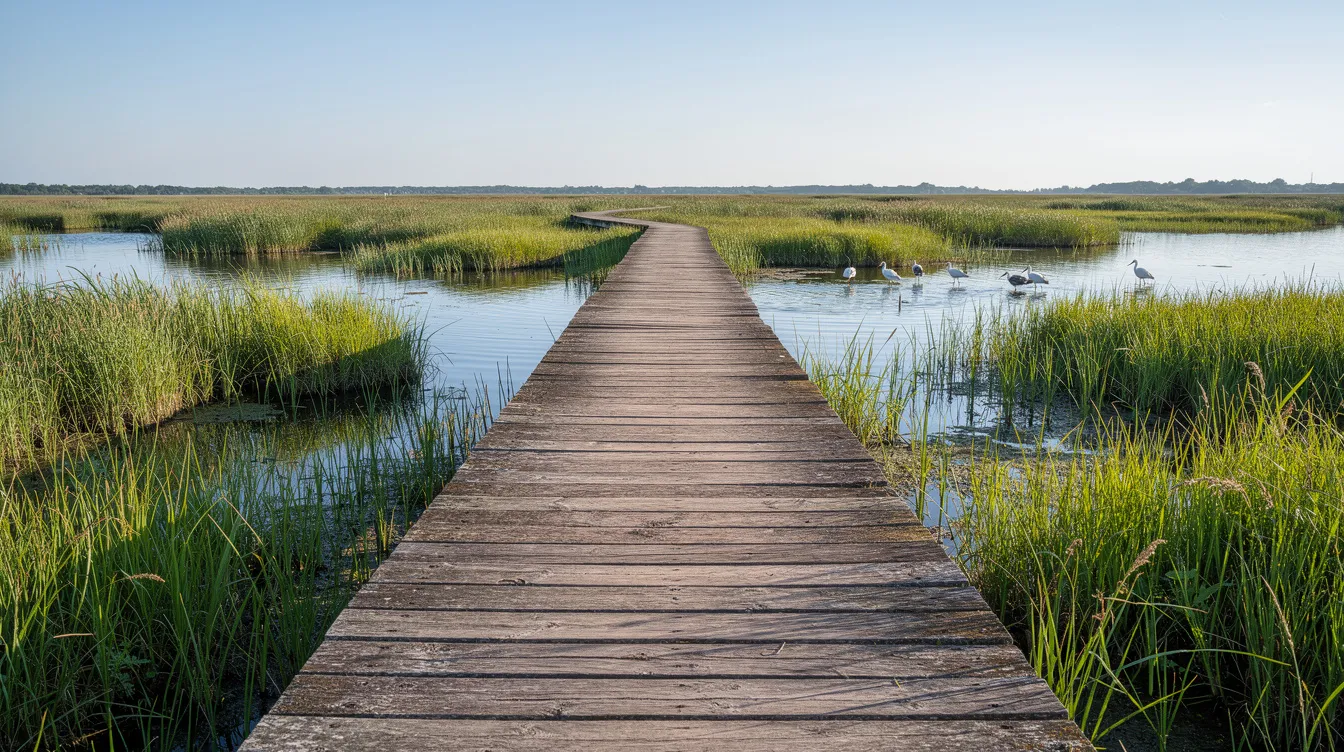
Why it stands out: Tamar Island Wetlands Centre features a wheelchair accessible boardwalk rated Grade 1 for the core section. Around 60 bird species including black swans and egrets can be spotted. The visitor centre and its toilets are fully wheelchair accessible.
Best for: Adults who enjoy quiet nature, birdwatching and gentle exercise. Participants working on fitness, stamina or mindfulness goals.
Costs & planning: Entry by donation. Visitor Centre open Wed–Sun, 10 am–4 pm. Some boardwalk sections are under repair through late 2026 – check the Parks Tasmania website before visiting. The full return walk is ~4.3 km; plan shorter turn-around points if needed.
How support workers can help: Set a target distance, bring binoculars for wildlife encounters, and monitor safety in windy or wet conditions on exposed sections.
7. Easy Day Trips from Launceston with Accessible Features
7.1 Grindelwald & Tamar Valley
A Swiss-inspired village about 20 minutes from Launceston with level paths, café options and accessible cellar doors in the Tamar Valley. Many tourism operators in the valley offer ramped access, accessible toilets and welcome assistance dogs. Support workers can coordinate tasting experiences with non-alcoholic options and safe transport.
7.2 Bridestowe Lavender Estate
Bridestowe Lavender Estate sits roughly 45 minutes north-east of Launceston, best visited during flowering season (December–January). Wide, mostly compacted paths surround the main visitor area, café and shop. Accessible toilets and parking near the entrance. Hollybank, also in the region, has a 2 km wheelchair accessible track worth exploring.
7.3 Beauty Point: Seahorse World & Platypus House
About 45 minutes from Launceston at Beauty Point, Seahorse World has no stairs and is wheelchair accessible, while Platypus House offers ramped indoor tours. Both provide a one hour guided tour option, accessible toilets and parking at the shared wharf area. Support workers can help manage tour pacing and sensory load in darker indoor environments.

Quick Comparison: Which Launceston Accessible Activity Suits Which Goal?
| Activity | Best For | Cost | Mobility Level |
|---|---|---|---|
| Cataract Gorge Reserve | Nature, café time, short walks | Free (parking ~$6/day) | Moderate (sealed paths) |
| QVMAG | Culture, quiet indoor learning | Free general entry | Easy access (lifts, level) |
| Harvest Market | Social skills, budgeting, food goals | Free entry | Easy (flat asphalt) |
| Tamar River Cruises | Scenic views, structured outings | Paid (varies) | Easy (mostly seated) |
| National Automobile Museum | Car enthusiasts, indoor browsing | ~$8.50 adult | Easy (level throughout) |
| Tamar Island Wetlands | Birdwatching, gentle exercise | Donation | Moderate (long boardwalk) |
| Day trips (Bridestowe, Beauty Point) | Full-day adventures, new environments | Paid entry | Varies by venue |
How to Choose the Right Accessible Activity in Launceston
The best activity depends on mobility, sensory preferences, budget and support goals. Use this as a checklist when planning.
Mobility and energy: Mostly seated options include Tamar River Cruises and the automobile museum. More walking is involved at Cataract Gorge and Tamar Island Wetlands. Wheelchair accessibility in Launceston typically means sealed or timber-boardwalk paths – gravel sections may need assistance. Match outing length to usual stamina. For those wanting to explore national parks and reserves beyond the city, Russell Falls track is wheelchair accessible in Mount Field National Park, and TrailRider wheelchairs are available for hire through Tasmania Parks at several Tasmanian parks. If you use a guide dog or other assistance animal, contact wildlife service staff before visiting more remote parks or reserves to confirm access arrangements.
Sensory preferences: Busier environments include Harvest Market and school-holiday periods at Cataract Gorge. Calmer spaces include QVMAG on weekdays and the wetlands. Strategies like noise-reducing headphones or scheduling visits at quieter times help manage sensory load. People with hearing or speech impairment should check whether venues offer visual or written alternatives.
Budget and supports: Free or low-cost activities include Cataract Gorge entry, QVMAG, Tamar Island Wetlands and City Park. Factor in transport costs – 13cabs provides wheelchair accessible taxis in Launceston, Metro bus timetables indicate wheelchair accessible services, Tassielink Transit offers step-less entry buses, and some car hire companies offer hand control hire cars. Public transport in Launceston includes low-floor, wheelchair accessible buses. Accessible parking bays are available throughout Launceston.
Which Activities Work Best for Common NDIS and Life Goals?
- Choose QVMAG or the Automobile Museum for learning, communication and low-pressure social practice
- Choose Harvest Market for social participation, money handling and community confidence
- Choose Cataract Gorge or Tamar Island Wetlands for physical activity, stamina and connecting with nature
- Choose Tamar River Cruises for structured outings with set times and clear routines
- Choose day trips to Bridestowe or Beauty Point for practising longer outings, planning skills and coping with new environments
The Tasmanian tourism industry acknowledges the importance of equal access and continues improving facilities. Several Tasmanian parks now offer remarkable coastal views via accessible paths – visitors exploring Tasmania’s deep east coast can find wheelchair accessible trails near Coles Bay and Wineglass Bay lookout within Freycinet National Park, while Cradle Mountain and Derwent Bridge offer accessible nature experiences in the west. These wildlife encounters across the country today show the strategic direction of the broader tourism industry toward enabling travellers of all abilities.
Planning an Accessible Day Out in Launceston: Practical Tips and Accessible Parking Bays
Check parking, toilets and maps: Use the City of Launceston’s online resources to locate disability access parking zones and public passenger vehicles stops. Call each attraction for the latest on lifts, ramps and any temporary works. Have a Plan B nearby. If you’re visiting reserves, check Tasmania Parks access information in advance.
Use Companion Card and carer discounts: The Tasmanian Companion Card provides free companion entry at participating venues. Carry concession cards and photo ID. Stack free activities with an occasional paid highlight for an easy and fun holiday that stays within budget. Dog guides and guide dog documentation should be carried for accredited animals. Where applicable, visitors can notify wildlife service staff on arrival or contact them ahead of time with questions about assistance animals. Access rights are supported under Tasmanian law for all public spaces and waterfront precincts.
Accessible accommodation: If staying overnight, Hotel Grand Chancellor Launceston has spacious rooms with ramp access, The Sebel Launceston offers wheelchair accessible rooms with shower benches, Peppers Silo has gorge view rooms customizable for disabilities, Stewarts Bay Lodge has fully self-contained accessible rooms, and Tamar Valley Resort offers accessible hotel rooms with level access. Wheelchair hire is available at the City of Hobart car park for visitors arriving without their own equipment. These pram friendly and accessible accommodation options make planning a fun holiday straightforward.
Working with your support worker: Communicate what you need – pace, breaks, sensory supports, preferred transport. Support workers can document outings for NDIS evidence with photos, brief notes about achieved goals, and receipts. Choose the activity together, set one or two simple goals, and debrief afterwards. This welcomes visitors into the planning process and supports uninterrupted care throughout the day. For people with low vision, support workers can describe exhibits, scenery and signage. Those using motorised wheelchairs should confirm space and turning requirements with each venue.
Easy Day Trips from Launceston with Accessible Features and Accessible Accommodation
Launceston offers a diverse array of accessible nature, culture and social experiences for adults with disability – and the top half of Tasmania keeps improving its access infrastructure each year. The best activity depends on the person’s interests, energy, sensory profile and goals, not just an attraction’s popularity. Aboriginal people have cared for this country today known as lutruwita/Tasmania for tens of thousands of years, and exploring it should be open to everyone.
Treat this guide as a starting point. Keep exploring as wheelchair accessibility across the city improves, check each comprehensive list of features before you go, and reach out to Re.Connect Support Services if you want local support to plan and enjoy these outings in a way that matches your NDIS plan and aspirations. Start with one outing, set a simple goal, and build from there.