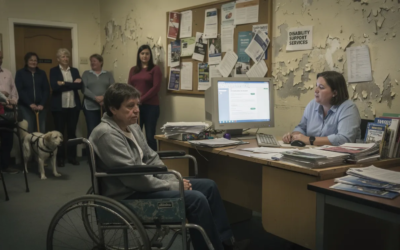
If your support coordinator is not responding to your calls and emails, you are not alone, and you are not powerless. So many people in the NDIS system face this exact challenge, and the good news is there are clear, practical steps you can take today to protect your supports, your funding, and your wellbeing.
Key Takeaways
If your NDIS support coordinator is not responding, you do not have to sit and wait. You can take action right now to get your plan back on track and your life moving forward.
- Document every missed call, email, and text message. This creates a vital paper trail if you need to escalate later.
- Try multiple contact methods on the same day (phone, SMS, email to both your coordinator and their organisation) and set a clear response deadline, such as 3 business days.
- Involve a trusted person – a family member, support worker, or advocate – if you feel anxious about following up.
- You can change support coordinators at any time without losing your NDIS plan funding. Your plan remains active even if your current provider is silent, and the NDIS focus on Improved Life Choices and participant control supports this flexibility. You do not need NDIA’s permission to change coordinators.
- You can make a formal complaint directly to the NDIS Quality and Safeguards Commission if the issue is serious or unresolved. Re.Connect Support Services can step in as a new support coordinator if you decide to move on.
- Key contacts for help: NDIA (free call 1800 800 110), NDIS Commission (1800 035 544), local disability advocacy services, and community legal centres.
Why a Non‑Responsive Support Coordinator Is a Serious Problem

Support coordination is funded in your NDIS plan for a reason. Your coordinator’s job is to turn your plan into real supports – connecting you with NDIS providers, solving problems, helping you achieve your goals, and preparing you for plan reviews. When that coordinator goes silent, everything can stall. Understanding the essential role of NDIS support coordinators can also clarify what you should reasonably expect from this service.
Long gaps in replies – say, no response to emails or calls for 7 to 10 days – can lead to missed appointments with therapists, delayed equipment, and unspent funding that may appear under-utilised at review time. These are missed opportunities that directly affect your outcomes and your mental health.
This is not just frustrating. Support coordinators are required to communicate responsively under NDIS rules. The NDIS Code of Conduct and provider practice standards expect timely, respectful communication – not silence. Between January 2022 and early 2023, 460 complaints were made about support coordinators, with 87% involving concerns about failing to provide supports with care and skill.
Many participants feel guilty about raising concerns or worry they will lose services. But not all support coordinators meet participants’ expectations, and you have a legal right to safe, responsive coordination. Re.Connect Support Services is an NDIS-focused organisation that regularly helps participants who feel stuck with a coordinator who doesn’t return calls or emails, supported by a diverse, trained disability support workforce.

Clear Signs Your Support Coordinator Is Not Responding Properly
Occasional delays happen – coordinators attend meetings, manage emergencies, or take leave. But repeated or prolonged unresponsiveness is a red flag that your current provider may not be meeting the bare minimum of their obligations.
Watch for these concrete signs:
- Calls and emails go unanswered for days, or longer than 3 to 5 business days
- Meetings get cancelled but are never rebooked
- Repeated vague promises like “I’ll call next week” with no follow-through
- You always speak to reception and never to your SC directly
Signs linked to your NDIS plan and NDIS Core Supports are equally telling:
- Large amounts of unused support coordination or core funding with no plan for how to use it (unused funding in your plan may indicate poor coordination)
- No help preparing for a scheduled plan review
- Therapy, assistive technology, or referrals stalled because nobody followed up
If you feel you are chasing your coordinator, doing your own referrals, or managing all providers by yourself, you are not getting the full benefit of support coordination, and it may be worth reviewing how your NDIS plan management is set up. Participants often feel managed rather than supported by coordinators – and a coordinator should know what your providers are doing at all times. Reading more about the importance of support coordination within the NDIS can help you recognise when your coordinator is falling short.
Immediate Steps to Take When Your Support Coordinator Is Not Responding
Your first priority is to get your supports moving again today, even before you decide whether to keep or change coordinators.
- Contact through multiple channels on the same day – phone call, SMS, and email to both your support coordinator and the main office of their organisation.
- Use a clear written message with a deadline: “Please respond within 3 business days so we can organise my physiotherapy and transport supports under my current NDIS plan ending 31 March 2027.”
- Document your concerns in writing for clarity. Documenting attempts to contact support coordinators can create a vital paper trail – save copies of every email, screenshot texts, and note call dates and times.
- Involve a trusted person. Ask a family member, support worker, or advocate to be copied on the email or present during the call so there is a witness.
If there is an urgent risk – no support workers showing up, equipment broken, or risk to your safety – if unresponsive support affects health or essential services, contact should be escalated immediately. Speak to your other providers directly, call the NDIA on 1800 800 110, or ring emergency services if needed. Once the immediate issue is stabilised, it may help to understand how support coordinators can maximise your NDIS funding and apply essential tips for managing NDIS funding effectively so you can advocate for better use of your plan.

How to Communicate Concerns and Ask for Better Support Coordination
Sometimes coordinators are overloaded, or there have been staff changes within the organisation. Before you decide to leave, a clear conversation can fix things. Discuss concerns directly with your support coordinator – it may be all that is needed.
Here is a step by step guide for that conversation:
- Request a structured meeting (phone, online, or in person) with your coordinator and, if possible, their team leader. Talk specifically about communication problems and unmet needs.
- Prepare a short list beforehand: dates of missed calls or emails, examples of supports that stalled (for instance, an OT referral requested months ago that still has not been sent), and what you want to be different.
- Request specific changes to improve support. Ask for concrete commitments: regular check-ins (monthly or fortnightly), response timeframes (within 2 to 3 business days), and a written action plan for key goals in your plan.
Ask for a clear answer about what caused the delays and how communication will be handled going forward.
After the meeting, send a follow-up email summarising what was agreed – who will do what by when. This creates a written record that is crucial if you later need to explain the situation to a new provider, the NDIA, or the NDIS Commission.
Service agreements often include communication response timeframes and notice periods, so review yours to understand what has already been promised.
Your Rights: Changing to a New Support Coordinator
NDIS participants can change support coordinators at any time. This does not cancel or reduce your NDIS plan funding. Funding stays with you when changing coordinators – only the person or organisation delivering the coordination changes, which is especially important if you also receive Supported Independent Living (SIL) services in Adelaide.
You do not need NDIA’s permission to change coordinators. Here is the process:
- Find a new support coordinator with capacity first. Finding a new support coordinator before canceling the current one prevents service gaps.
- Sign a new service agreement with the new provider.
- Notify your current provider in writing (email or letter) that you wish to end services, giving the notice period stated in your service agreement (often 7 to 28 days).
- Request your records from the current coordinator before switching. They should prepare a handover report covering current supports, risks, and future needs.
- Let your plan manager know about the change so bookings and funding are updated correctly. If your concerns have still not been addressed, proceed with the switch and update the relevant parties accordingly.
Re.Connect Support Services is an option for participants looking for a new coordinator. The team focuses on responsive communication, clear action plans, and working alongside families, plan managers, and other NDIS providers, including helping participants navigate assistive technology through the NDIS. Their specialised disability support coordination services are designed to help you navigate the NDIS more confidently.
Finding and Choosing a New Support Coordinator Who Will Actually Respond
A new coordinator is a chance to reset and build a relationship that genuinely supports you – not just one that processes paperwork. Learning about the benefits of quality support coordination services can guide your questions and expectations. Here is what to look for:
- Quick initial response when you first enquire
- Willingness to explain support coordination in plain language
- Experience with your type of disability or support needs
- Good knowledge of local services in your region
Before signing, ask practical questions: How many clients are on your caseload? What is your usual response time to emails and calls? Who covers when you are on leave? How do you work with plan managers and other providers? If you need higher day-to-day support, you might also ask about links with supported independent living services.
Use the NDIS provider finder and Disability Gateway to identify potential coordinators in your area. You can also draw on articles from the Re.Connect Support Services blog about NDIS and support coordination for extra tips. Re.Connect Support Services can also walk you through this process, including helping you notify the old provider and start using your plan effectively from the first meeting.
Making a Complaint: When and How to Involve the NDIS Commission
The NDIS Quality and Safeguards Commission is the independent body that handles complaints about NDIS providers, including support coordinators. Complaints about coordinator quality go to the NDIS Commission. Complaints about NDIA decisions (like eligibility or funding levels) go to the NDIA or the Administrative Appeals Tribunal – they are separate.
Start with the provider’s internal complaints process. Send a clear email explaining dates, what went wrong, and what outcome you want. If the issue remains unresolved, formal complaints can be escalated outside the organisation.
To contact the NDIS Commission:
- Phone: 1800 035 544 (Monday–Friday, 9 AM to 6:30 PM)
- TTY: 133 677
- Online complaint form at ndiscommission.gov.au
You can complain on your own or with help from an advocate. You can choose to remain anonymous (with some limits). Provide the provider name, dates, what happened, and any emails or notes. Where housing or safety is at risk, specialist homelessness and housing support services may also need to be involved. Complaints can be made to the NDIS Quality Commission at any point if you believe your safety or rights are at a real risk.
Helpful External Supports: Advocacy, Legal Help, and Community Services
Participants can reach out to independent disability advocates for support – you do not have to handle this alone. Advocating for yourself is important, but having someone in your corner makes a fair bit of difference. Many people also benefit from broader personalised care and support options through Re.Connect Support Services and other transformative disability support services alongside advocacy.
- Find local advocates through the Disability Advocacy Network Australia directory. They can help write emails, attend meetings, or make complaints on your behalf.
- Community legal centres can sometimes advise on service agreements, rights, and complaint options if the situation becomes complex.
- Carers and families can access guidance and rest through Carer Gateway and may be eligible for government-subsidised respite care options if managing an unresponsive coordinator is taking a toll.
Re.Connect Support Services is committed to collaborating with advocates and legal supports to ensure your rights and wishes lead any discussions with providers or the NDIS Commission. This aligns with their broader mission of empowering people to reclaim their lives and independence through person-centred support.
How Re.Connect Support Services Can Help if Your Coordinator Is Not Responding
Re.Connect Support Services is a dedicated NDIS support coordination provider that has worked closely with participants who feel ignored or stuck. The team understands the challenges that come with poor communication and is eager to help you connect with the services provided under your plan. As a registered NDIS provider offering tailored support services, they focus on helping you regain control and move toward your goals.
When you contact Re.Connect, here is what to expect:
- Quick response to your initial enquiry – no waiting weeks to hear back
- A clear explanation of what support coordination includes and what you can expect
- An early planning session to understand your goals, culture, and communication preferences
- Agreed response timeframes, multiple contact options (phone, email, text), scheduled regular check-ins, and backup coverage when the main coordinator is on leave
The team can help with practical tasks straight away – organising therapy, reviewing existing providers, preparing for upcoming plan reviews, and making sure your support coordination funding is actually used to benefit you, including accessing NDIS capacity building supports where appropriate. This often includes building community connection and participation supports and broader capacity building for independence and wellbeing so your plan leads to real involvement in everyday life.
Exploring your options does not lock you into changing providers until you are ready. If you would like to have a conversation about your situation, reach out to Re.Connect Support Services today to learn more about their personalised disability and community support services. You deserve a coordinator who answers the phone.

Frequently Asked Questions
How long should I wait before deciding my support coordinator is “not responding”?
Many providers aim to respond within 2 to 3 business days. If there is no reply after 5 business days to important matters – especially after multiple attempts across different channels – it usually signals a problem. At that point, escalate within the organisation or seek advice from your local area coordinator or an advocate. You might also look into Re.Connect’s mental health recovery and community participation programs and their comprehensive mental health care and recovery supports if the situation is affecting your wellbeing.
Will changing my support coordinator affect my existing service providers?
No. Changing coordinators does not automatically change or cancel other providers such as support workers, therapists, or your plan manager. Those contracts are separate. Review and, if needed, update service agreements with existing providers so your new coordinator knows how to contact them and what has already been arranged. Some people also review their in-home care and daily living supports and how they are using their NDIS Core Supports budget at the same time to make sure everything still fits their needs.
Can my support coordinator refuse to hand over my information to a new provider?
Providers must respect privacy laws, but they are expected to cooperate with handovers when you give consent. Give written consent to both the old and new provider for information sharing. If the old provider refuses reasonable handover that affects your access to supports, contact the NDIS Commission. Access to ongoing healing, recovery, and therapeutic support services and tailored NDIS nutritional support options can depend on a smooth handover, so it is important to insist on this.
What if my support coordinator is also my support worker or therapy provider?
This is allowed but can create a conflict of interest. Ask how the provider would handle that conflict and make sure the answer is clear before continuing, including what you will pay if they charge separately for each role under different agreements. You can choose to change only the coordination part while keeping your favourite therapist or support workers. Ask providers to keep the service agreement for each role clearly separate so you maintain choice and control. Where mental health is a key concern, specialist NDIS mental health and recovery supports and targeted dementia and cognitive support strategies can sit alongside separate coordination or therapy agreements.
Do I have to tell my current coordinator why I am leaving?
There is no legal requirement to give a detailed reason. You can simply state in writing that you wish to end support coordination services as of a certain date, following the notice period in your service agreement. If you feel comfortable, brief feedback can help improve services for others – but your priority is to feel safe and respected, of course. Families of participants with autism might also choose a provider with specialist NDIS support for Autism Spectrum Disorder or, where ageing is a factor, explore steps for choosing aged care services in Melbourne when changing coordinators.