
Quick answer

Daily routine support helps people manage everyday tasks, build life skills, and create more structure in daily life. For many NDIS participants, the right support can improve confidence, reduce stress, support mental health, and make it easier to work toward personal goals with the right level of assistance. The NDIA explains that Assistance with Daily Life is a core support category that funds help or supervision with personal tasks so a participant can live as independently as possible.
Who this guide is for
This guide is written for NDIS Support participants, families, carers, allied health referrers, support workers and anyone looking for respectful, person-first information about daily routine support.
It is also helpful for people who are not on the NDIS but still want structured support with daily activities, personal care, meal preparation, household tasks, or building a more manageable routine. Re.Connect Support Services says its services are designed to help people maintain independence and improve quality of life.
Why daily routine support matters

A consistent routine can make daily life feel more predictable.
That matters because predictability often improves a person’s sense of control, lowers anxiety, and makes it easier to focus on what is essential each day. Having a structured daily routine is widely linked to better wellbeing and lower stress, especially when it is personalised and flexible rather than rigid. This is also consistent with the purpose of NDIS Assistance in daily-life supports, which are intended to improve independence and quality of life.
Good support is not about doing everything for someone.
The aim is to assist with the right tasks, at the right level, so the person can build greater independence over time. The NDIA’s daily-life support guidance is explicit that these supports are there to help participants live as independently as possible.
Core supports: help with essential daily activities
Daily routine support often includes personal care and self care tasks such as showering, dressing, grooming, and medication reminders.
It may also include help with meal preparation, shopping, laundry, cleaning, and other household tasks that help a person maintain a safe and comfortable lifestyle. The NDIA’s home and living guidance and broader information about supports and services funded by the NDIS both support this kind of everyday assistance.
Support can also include community access.
That might mean transport to appointments, help attending activities, or support to access the local area more confidently. Re.Connect’s Community Connection and Support Coordination services both align with this practical, day-to-day approach.
How routine support benefits mental health

One of the biggest benefits of routine is emotional steadiness.
When a person knows what their morning, afternoon, and evening will roughly look like, it can reduce decision fatigue and improve emotional balance.
This can be especially helpful for people who feel overwhelmed by change, have fluctuating energy levels, or live with ongoing stress and anxiety. Sleep guidance for adults commonly recommends regular sleep and enough rest because both are closely linked to mood, concentration, and wellbeing. Most adults need around 7 to 9 hours of sleep each night, and getting at least 7 hours regularly supports better health and daytime functioning, especially when combined with tailored mental health support for NDIS participants.
Consistent sleep and wake times are often the cornerstone of a stable routine.
They support emotional regulation, decision-making, and a steadier sense of daily rhythm. Regular meals, movement, and a predictable schedule build on that foundation and help create a healthy daily routine that feels sustainable rather than exhausting.
Creating healthy and sustainable daily routines

A healthy daily routine should be realistic.
It should not feel like punishment.
It should feel like something a person can actually maintain.
That is why the best approach is to start small.
Small changes build momentum.
They also make it easier to notice small wins, which can improve motivation and confidence over time. Creating a daily routine usually means identifying personal goals and needs, building consistency while allowing flexibility, and reviewing the routine as life changes. That is practical habit-building logic rather than a rigid formula.
A simple morning routine might include waking at the same time, getting dressed, taking medication, eating breakfast, and reviewing the day’s key tasks.
An evening routine might focus on winding down, preparing for the next day, and protecting sleep and rest.
Healthy routines that support energy and wellbeing
Regular movement is also part of healthy routines.
The American Heart Association recommends at least 150 minutes of moderate-intensity aerobic activity each week for overall health. Even smaller movement breaks through the day can help with mood, energy, and focus. this type of therapy services can make someone’s physical and emotional safety to be secured.
That does not mean every person needs a big exercise plan. Everyone has unique needs with their everyday activities.
It can simply mean adding short walks, stretching, or gentle movement breaks to support mental health and energy levels. Prioritising movement is often a natural mood booster and can reduce mental fatigue across the day, and many people also benefit from healing and recovery services for individuals with disabilities to support these changes.
Prioritizing movement by incorporating short breaks increases creativity and acts as a natural mood booster.
Creating an effective daily routine involves building a flexible, sustainable, and personalized schedule that balances high-impact productivity with essential self-care.
Consistent sleep and wake times are the cornerstone of any routine, supporting emotional regulation and decision-making.
Most adults aged 18 to 64 should aim for seven to nine hours of sleep each night to support overall health and well-being.
Simple tools that make routines easier
Some people benefit from visual cues such as checklists, whiteboards, picture prompts, calendars, and phone reminders.
These tools can make daily routines easier to follow and reduce the pressure of remembering every step, and reading practical articles on NDIS, aged care, and mental health can offer extra ideas for using them well.
One helpful idea is choosing one key priority for the day.
Some productivity experts call this “The Highlight”: one meaningful task or focus point that helps create a stronger sense of accomplishment and fuels consistency. This is not an NDIS rule, but it can be a practical routine-building tool.
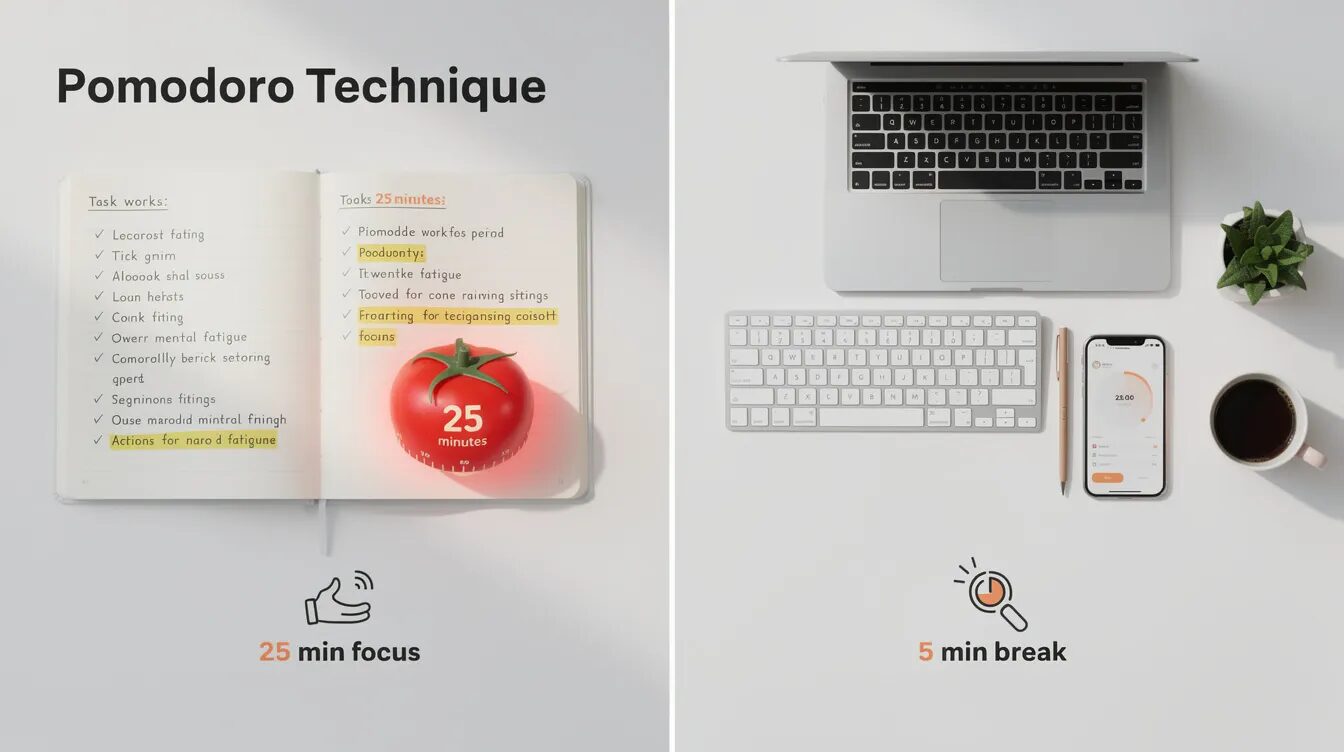
The Pomodoro Technique involves working in focused bursts of 25 minutes followed by a 5-minute break to prevent mental fatigue. This can be useful for people who find long periods of concentration tiring or overwhelming. Again, this is a general routine and focus on mind space method rather than formal NDIA guidance.
Building life skills and confidence
NDIS Assistance with Daily Life is a support category that helps people with disabilities carry out everyday tasks, enhancing their independence and overall quality of life.
Routine support can also build life skills. This go alongside with support workers and the participant, especially when they receive personalised in-home care and domestic assistance.
Over time, a person may become more confident with cooking, cleaning, transport, scheduling, self-management, or attending appointments, and older adults in particular may benefit from domestic assistance for seniors to maintain independence.
That matters because the goal is not just to get through the day.
It is to help the person build ability, confidence, and independence in everyday life. Re.Connect’s services also describe support in ways that aim to strengthen daily living and independence, reflecting their broader focus on empowering individuals through tailored support services.
It also helps to celebrate small wins.
Even simple achievements like preparing breakfast, following a checklist, or attending an appointment can build momentum. Those small wins can increase confidence and help participants feel more capable of managing their daily activities over time.
Aligning support with NDIS plans and funding
For many participants, daily routine support fits naturally inside an ndis plan, especially within the NDIS Core Supports budget for daily life.
It often aligns with goals around independence, community participation, home living, and improved day-to-day functioning, which are central to the NDIS Core Supports category for daily living and participation.
This is where ndis funding can be used effectively when the supports are reasonable, necessary, and connected to disability-related needs. The NDIA explains that Assistance with Daily Life is part of the core supports budget and contributes to broader outcomes under NDIS Improved Life Choices supports.
This is also where it helps to work closely with a support coordinator, family member, or trusted provider, because NDIS support coordinators help navigate plans and services.
A registered ndis provider or support team can help identify what support fits the person’s goals and what can be built gradually over time, and effective support coordinators can maximise NDIS funding and manage providers. Re.Connect’s Support Coordination page explains that support coordination is about helping individuals access, manage, and coordinate the right assistance.
Re.Connect Support Services and next steps
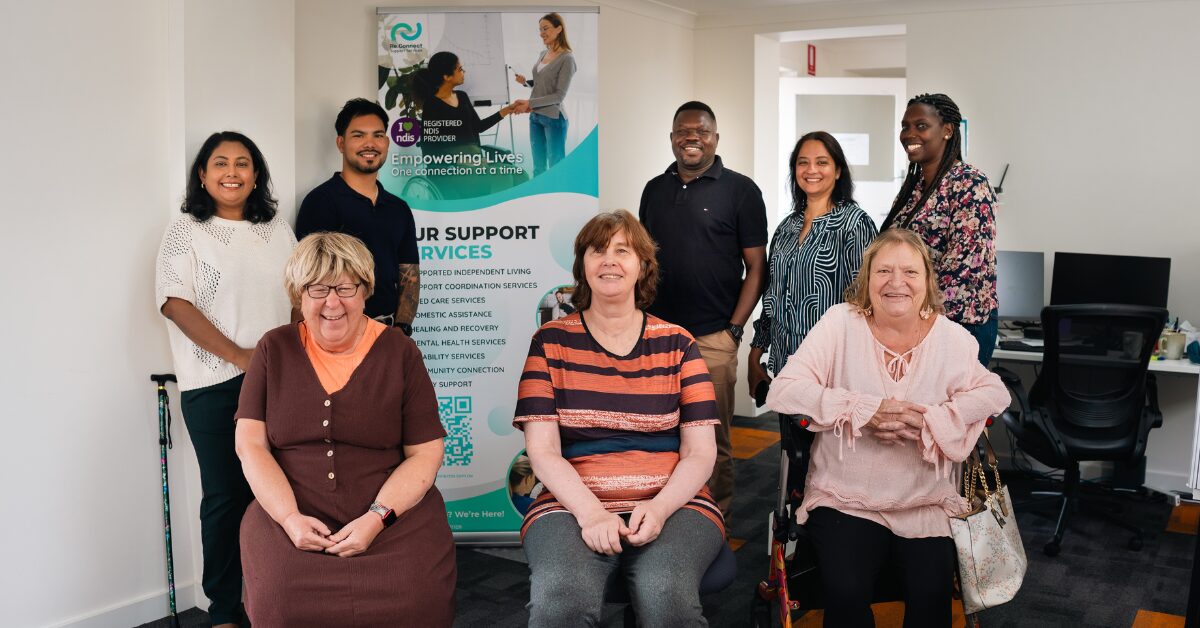
Re.Connect Support Services publicly lists daily living, domestic assistance, support coordination, and community connection as part of its service offering, consistent with their broader mission of empowering individuals to live fulfilling and independent lives.
It also lists its Tasmania office at 355 Wellington St, South Launceston, TAS 7249, with office hours Mon–Fri, 9AM–5PM, phone 1-300-001-109, and contact options through its Contact Us page. The NDIS Commission’s provider page also shows Re.Connect Support Services Pty Ltd as an approved registered provider with registration groups including personal activities, support coordination, household tasks, transport, and life skills-related supports, reflecting their range of personalised care options across disability, aged care, and mental health.
If you want help creating a more workable routine, improving daily life, or linking support more clearly to an ndis plan, the next step is to ask what kind of daily routine support best matches your goals, preferences, and support needs, and whether support coordination services to streamline daily living could assist.
A well-supported routine can improve confidence, reduce stress, and help a person achieve more of what matters each day.